Venice
Venice
118 islands, six sestieri, a thousand palaces: here's how to plan a Venice trip without falling into tourist traps.
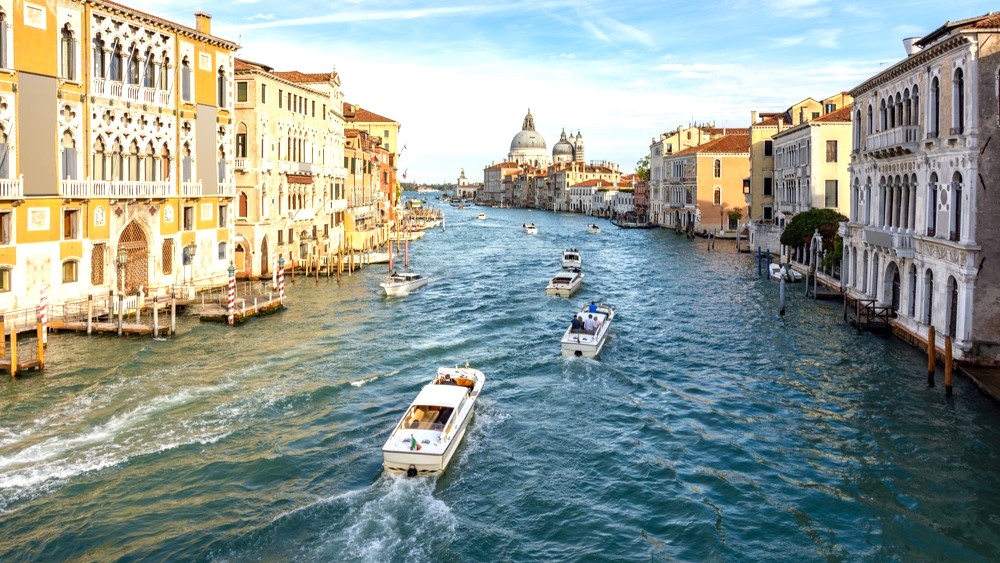
The romantic city of Venice sits on the shores of the Adriatic Sea, in the northeastern region of Italy, and spans a collection of 118 small islands separated by a network of canals and connected by bridges. Capital of the Veneto region, Venice stands out among other Italian tourist destinations for its unique architecture and rich cultural heritage.
History
Venice takes its name from the people known as the "Veneti," who inhabited the region before the 10th century. It also bears several nicknames, including the City of Doges, the Serene Republic, the Queen of the Adriatic, the City of Masks, the City of Bridges, the Floating City, and most famously, the City of Waters.
Established long ago, this city served as the capital of the Venetian Republic between 697 and 1797. For centuries, it was a powerful republic that waged victorious wars against rival states. Blessed by its close ties with Asia and the Near East, the city became one of Europe's major trading hubs for silk, grain, and spices.
From the early 13th century until the end of the 17th century, Venice was a major cultural center, home to prominent figures including playwright Carlo Goldoni, violinist Antonio Vivaldi, and painters of the Venetian School, notably Titian, Veronese, and Tintoretto.
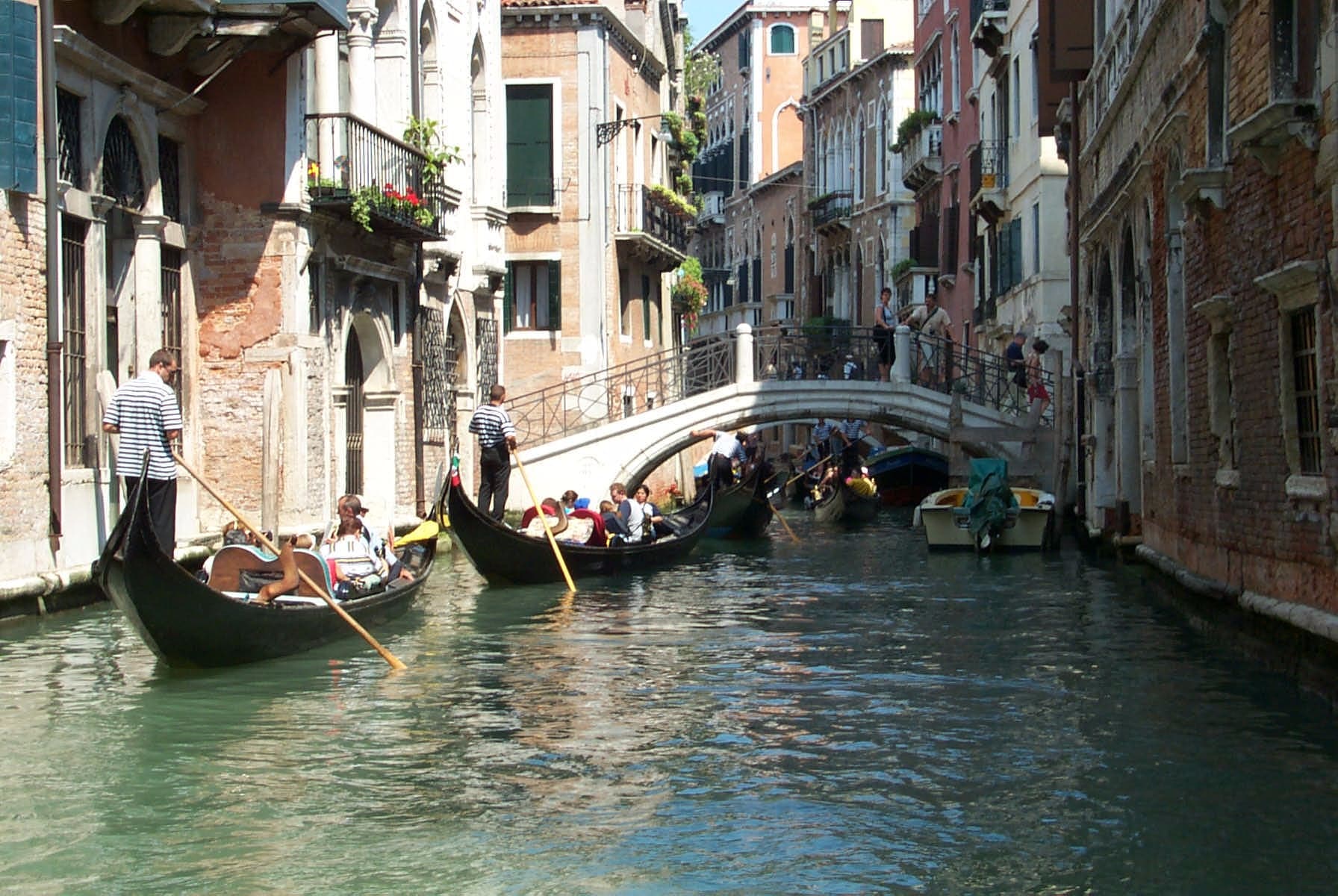
Today, Venice owes its fame to its canals, gondolas, museums, palaces, gardens, countless churches, and its famous carnival.
Planning Your Venice Getaway
With an exceptional geographical setting within the Adriatic Sea lagoon, Venice invites you to discover a landscape that is both romantic and elegant. The city is home to approximately 269,810 residents. Together with the cities of Padua and Treviso, Venice forms the metropolitan area known as PATREVE or "Padua-Treviso-Venice".
Venice holds an exceptionally precious historical, artistic, and cultural heritage. Built on mud and sand, this enchanted city encompasses landscapes that are both magical and spectacular. Take time for a boat ride to immerse yourself in the city's romantic atmosphere. During the excursion, admire the magnificence of buildings in pink and white marble, perfect examples of Italian architecture.
Among its breathtaking architectural gems, you can visit: the Doge's Palace, the Basilica of Saint Mark, Saint Mark's Square, the Accademia Gallery, the Bridge of Sighs, the Rialto Bridge, the Correr Museum, the Teatro La Fenice, the Clock Tower, the Venice Ghetto, the Scuola Grande di San Rocco, and the Ca' d'Oro, also known as Palazzo Santa Sofia.
Climate
Venice enjoys a Mediterranean climate with hot, dry summers and very cold winters. Thus, the best time to visit this magnificent destination is during the summer season, from early June to late July. During the winter season, from November to March, certain areas of the city are flooded by acqua alta (high water).
If you wish to experience the carnival in Venice, prefer the period from late February to early March. During this time, carnivals are omnipresent throughout the city.
Given its somewhat exceptional geographical location, transportation throughout the city is by waterway. Therefore, to get around, you can choose between water buses (vaporetti) and gondolas with two oarsmen.
Want to discover this destination?
Our local advisors design your tailor-made trip.