Piedmont
A world-renowned destination, Piedmont welcomes travellers to north-western Italy. A land of vineyards, where cultivated plains meet protected and wild sites.
A world-renowned destination, Piedmont welcomes travellers to north-western Italy. A land of vineyards, where cultivated plains meet protected and wild sites.
In Italy, travel has always been paired with fine cuisine elevated by excellent wines. The mountainous region of Piedmont, bordering France and Switzerland, embodies this perfectly. With vineyards stretching to the horizon, producing some of the world's finest wines, its chocolates, hazelnuts and other local pastries, not to mention the white truffles of Alba, celebrated at an international fair, the Piedmont cities make no secret of their passion for gastronomy. Experience the thrills of skiing in the Sestrières resort, explore the verdant hillsides of the Langhe, dotted with castles and Baroque churches, and enjoy unexpected vistas along Lake Maggiore. Coming to Piedmont means encountering a region of a thousand facets, dominated by winemaking tradition. Let your desires take flight by booking your flight to Turin, the capital of Italian Piedmont today.
A Journey Through History
The prehistoric sites of the Susa Valley bear witness to human presence dating back to the Stone Age. It is believed that the region's inhabitants were primarily descendants of Celtic and Ligurian tribes, barbarians who lived deep within forests. Piedmont came under Roman rule from the second century BCE, shortly after the colonisation of neighbouring Gaul. Important Piedmont cities emerged: Turin, solemnly named Augusta Taurinorum in honour of Augustus, Alba, capital of the Langhe, as well as Vercelli and Novara.
Situated at the foot of the Alps, the Piedmont region was repeatedly left vulnerable to raiders. Neighbouring powers viewed the region as the gateway to Italy. The High Middle Ages saw Germanic kingdoms, soon joined by Byzantines, Lombards and Franks vying for control. Lasting peace would not arrive until the fifteenth century with the rise to power of the Dukes of Savoy. In 1563, the duchy transferred its capital to Turin, displacing Chambéry. Among the greatest princes of the dynasty, special mention is made of Victor Amadeus of Savoy: he fought alongside Prince Eugene in the famous Battle of Turin in 1706, where the House of Savoy crushed the forces of Louis XIV.
Following Italy's unification into a single kingdom, Piedmont cities lost much of their cultural identity. The Piedmont dialect was relegated to "provincial dialect" status beneath Italian. The region compensated for this decline by developing strong tourism visibility.
The Modern Region
The region's economy rests on grape cultivation, olive and citrus farming. While the standard of living is remarkably higher than that of Apulians or Sicilians, tourism plays no small role. Known for the richness of its cuisine, where slow food sets the tone, Piedmont captivates equally through its natural wonders: winter sports resorts, exotic islands and national parks synonymous with skiing, climbing, pleasure boating and woodland walks. Dreaming of architecture? From Bra to Magliano Alfieri, from Barolo and Morra to Serralunga d'Alba, Baroque treasures abound like flowers, telling the region's story. In short, the diversity of its tourism offerings makes it a holiday destination for all tastes.
Piedmont's Wine Landscapes
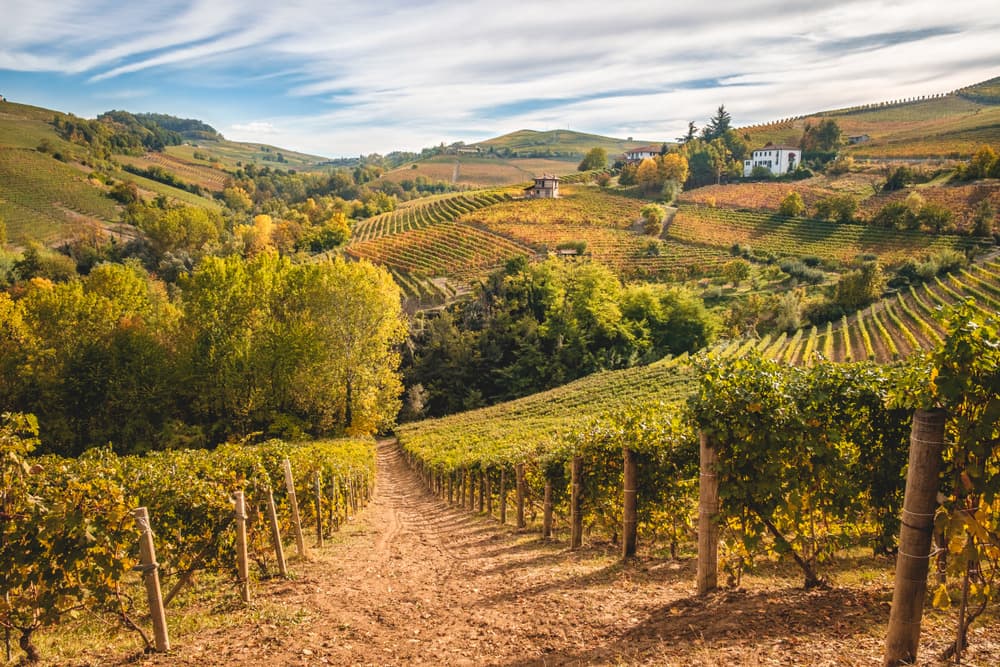
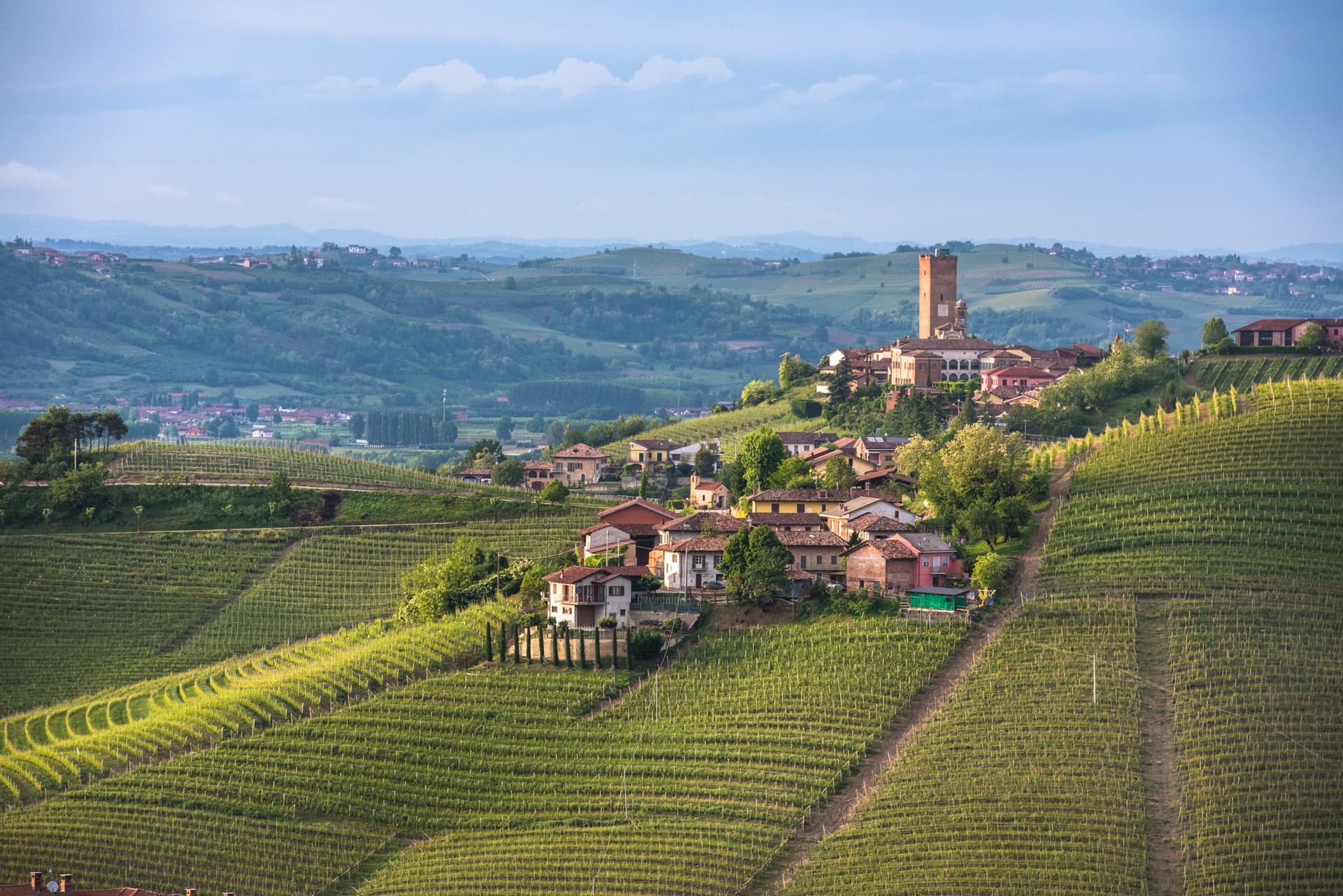
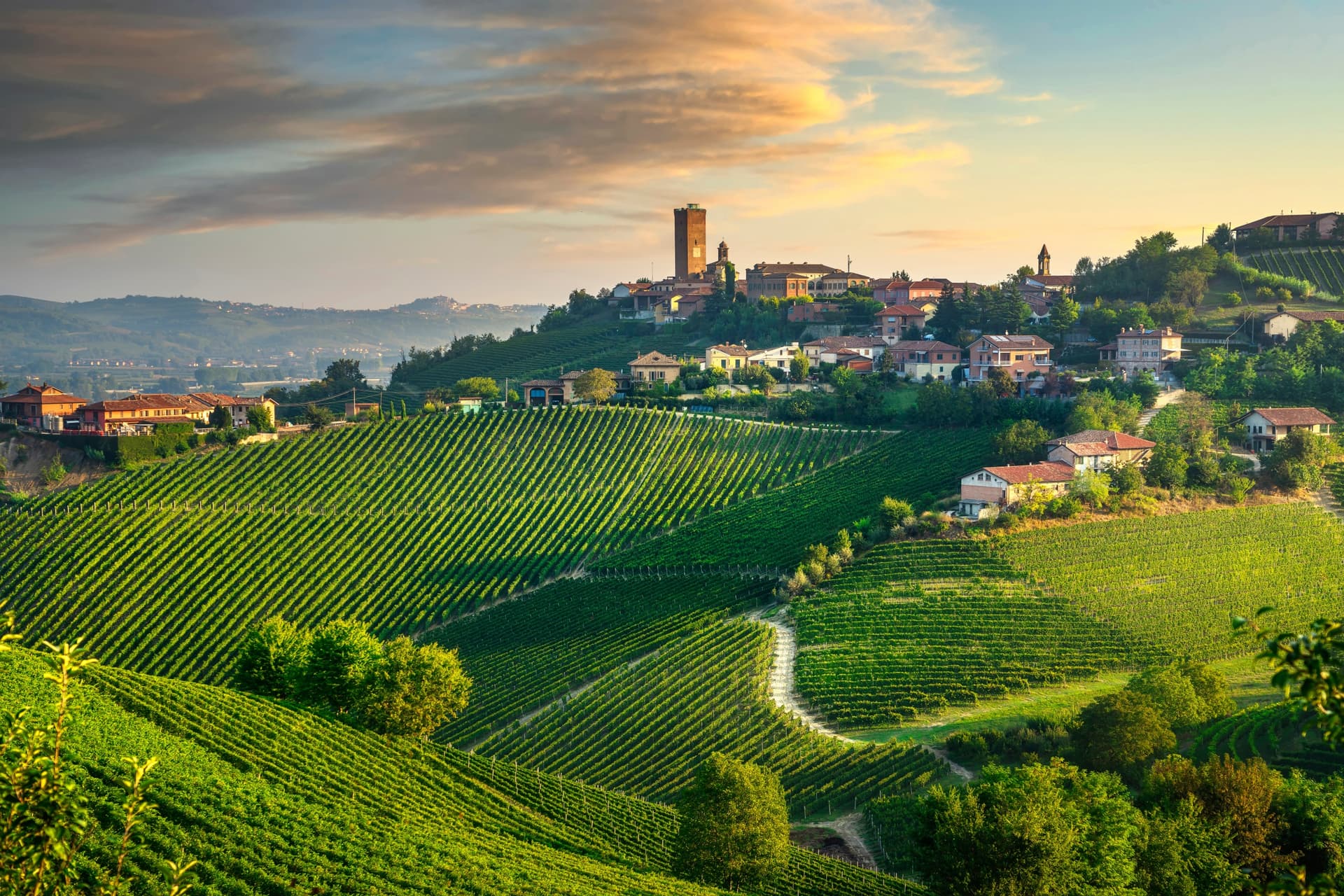
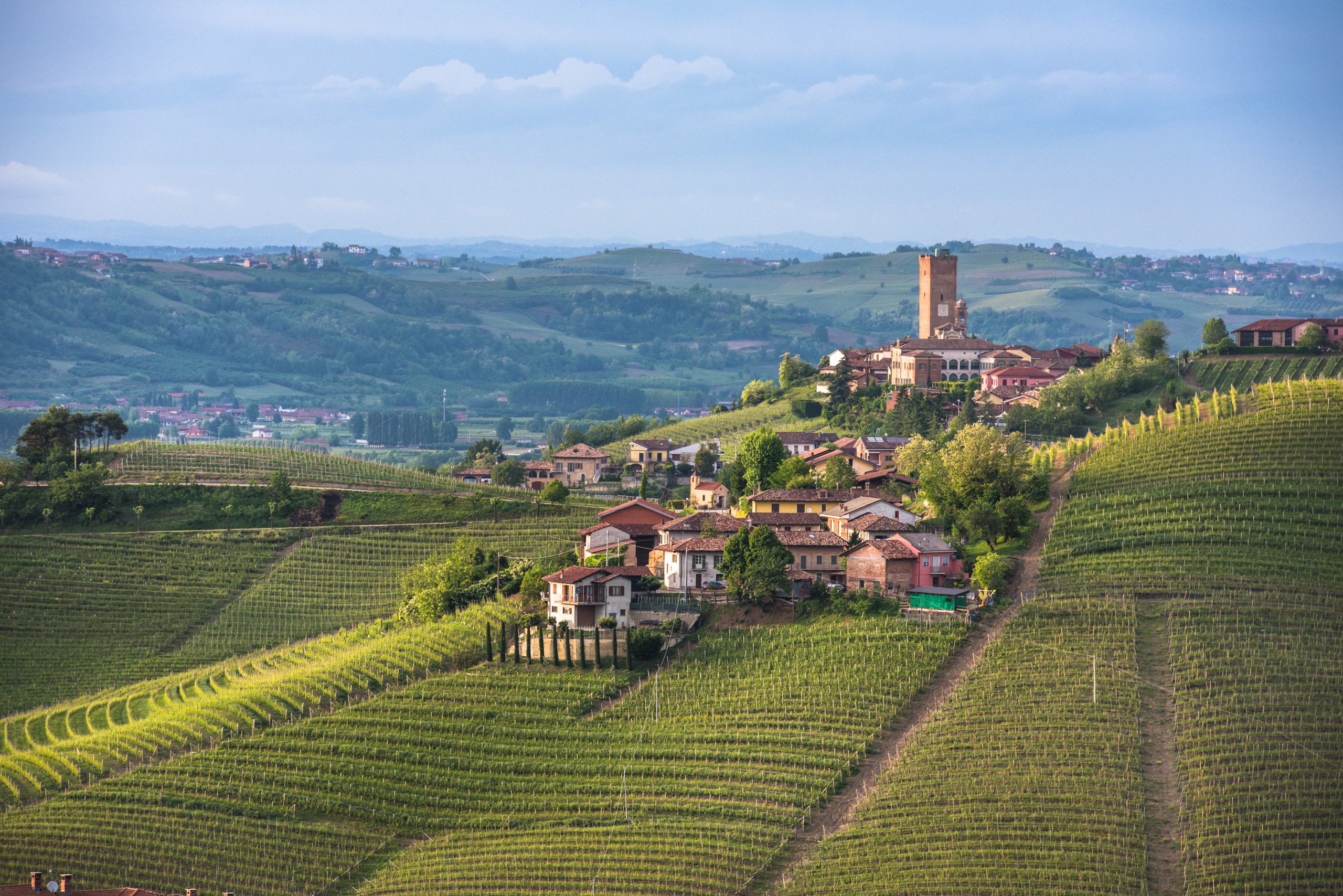
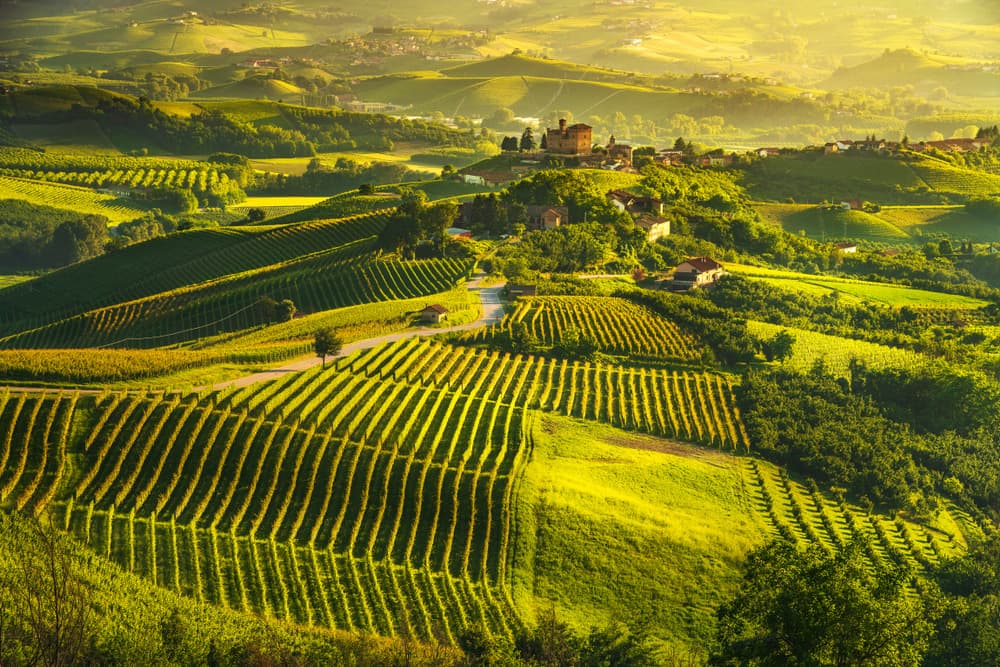
Featured on the UNESCO World Heritage list, the Piedmont vineyards represent outstanding testimony to agricultural civilisation. The hiking journey begins through the Langhe, crossing the rolling hills of Barolo and Barbaresco, whose reputation now transcends national boundaries, before continuing to Grinzane Cavour, concluding at Roero. As you traverse, you'll notice how viticulture animates the landscape, giving it colour and aesthetic quality.
Most Famous Wines and Dishes
A journey to Piedmont is inseparable from culinary exploration. The region's agricultural vocation shines through in its cuisine, which showcases local products with a dual purpose: ecological respect and the rejection of fast food.
The emblematic dish of the terroir, agnolotti are a true delight. These pasta squares feature a filling based on meat, cheese and spinach. Vitello tonnato is a veal dish accompanied by tuna in olive oil, all dressed with lemon juice. Bollito misto is a hot or cold appetiser that fuses beef, lamb and chicken breast in a sort of broth.
Confectionery holds an important place in local gastronomy. Planning a trip to Piedmont with children? You must not miss Alba under any circumstance: this is where Ferrero, a global food processing giant, established its headquarters. Find chocolates in all varieties, large, small, spherical, cylindrical or in bars, spreadable or bite-sized, marketed in various dimensions and the most playful forms. Beyond this chocolate story, the city of Alba celebrates between October and November the white truffle festival, a grand event gathering the international jet-set. On the agenda: wine tasting, donkey racing, agricultural product exhibitions and sales, and truffle auctions.
Regarding beverages, the region offers a wide selection of regional wines: Barolo, the jewel of Italian wines, which rivals Burgundy reds; Barbaresco, cultivated in the homonymous commune from a local grape variety – the Nebbiolo – which gives it its distinctive character; Moscato d'Asti, with low alcohol content and sweet, fruity notes, whose aroma recalls Muscat. There are others, but we've highlighted only the highest appellations. Several tour operators organise oenology-themed excursions, combining vineyard routes, visits to artisanal wineries and tastings. An invitation to wine enthusiasts!
Top 5 Most Interesting Cities in Piedmont
If you're visiting Piedmont for just a few days, your reconnaissance tour should focus on the must-sees. Here are some suggestions:
Turin
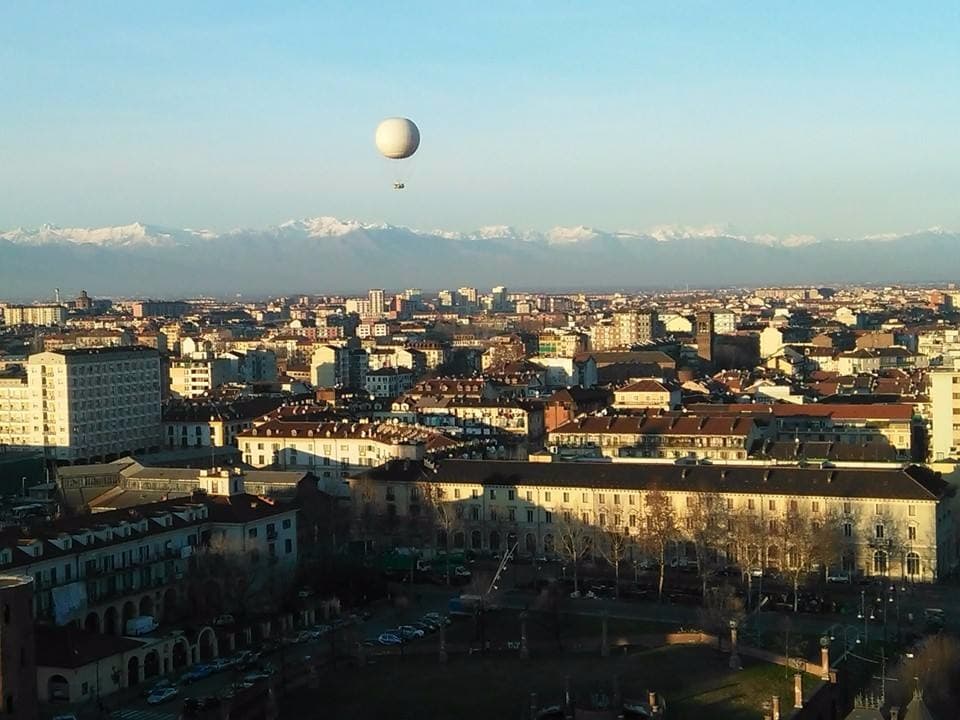
A city of art and history, Turin still recalls its golden age from the sixteenth to the eighteenth century, when it served in turn as the glorious capital of the Duchy of Savoy, the Kingdom of Sicily and the Kingdom of Sardinia. To fall in love with this city, simply visit the superb residential complexes built by the House of Savoy:
- Valentino Castle, formerly the property of Emmanuel Philibert of Savoy, before becoming in the seventeenth century the residence of Christine of Bourbon, who completely renovated it;
- The Royal Palace of Turin – at the centre of Castle Square – constituting the most striking symbol of Savoyard monarchy;
- The Royal Library of Turin, situated just beside the Royal Palace;
- The Royal Armoury, displaying an important collection of weapons, armour, swords and rifles;
- Palazzo Madama, which left its residential function in 1934 to house the Civic Museum of Ancient Art**.**
All these architectural masterpieces were designated as heritage sites in 1997**.** Grandeur not your style? Stroll through the luxury boutiques of Via Roma. The place to be if you want to dress in the latest fashion, sporting a Rolex, Louis Vuitton or Salvatore Ferragamo brand.
Alba
A first-rate gastronomic city, Alba gains fame for its precious black and white truffles. It is located just over an hour's drive from Turin. Treat yourself to a truffle-hunting experience accompanied by a forest guide: he'll teach you how to find and delicately harvest truffles at the base of trees and reveal all the secrets of this mushroom. After this walk, enjoy a gourmet lunch at one of the city's restaurants: regardless of the address, you're assured of finding dishes featuring white truffle.
Barolo and Barbaresco
Some fifteen kilometres south-east of Alba, the legendary villages of Barolo and Barbaresco are an unmissable stop for an authentic journey into the heart of Piedmont. Hiking through the narrow streets lined with vineyards is pleasant. Don't miss the tasting at the Wine Museum after catching a glimpse of the Baroque façade of its building, where the Marquis Faletti once resided.
Asti
While passing through Piedmont, take a short trip to Asti, an ancient fortified city that has preserved the legacy of Roman presence and impressive vestiges from the medieval period. Worth seeing: the Cathedral of Santa Maria di Assunta, considered the finest expression of Piedmont Gothic art; Comentina Tower, Torre Guttuari or Torre Quartero, defensive structures against enemy attack. If you visit in September, you can witness the Palio festival, whose Christian origins have faded to focus solely on horse racing.
Grand Paradis National Park
Founded in 1856, Italy's oldest national park shelters breathtaking wildlife: ibex, chamois, birds of prey and lynx roam freely. Should fortune smile upon you, you might witness the majestic flight of the bearded vulture. Hiking along animal trails, alpine skiing, climbing, snowshoe walking or botanical observation… You'll appreciate the breadth of activities available. An ideal refuge to breathe fresh air and unwind, 153 km from Turin's urban area!
When to Visit?
There is no particular season for visiting Italian Piedmont. Your travel dates should be chosen based on your needs for activities or tourist discovery. History and culture enthusiasts typically arrive between June and August. To avoid summer overtourism, it would be wiser to choose your dates in autumn. (In September, temperatures range from a minimum of 15°C to a maximum of 23°C according to Turin's weather station.) Moreover, this season is marked by the grape harvest and truffle gathering. If winter sports are more to your taste, head to the Alps between mid-December and February.
Turin, the administrative capital of Piedmont, houses the region's only international airport. To arrive by air, the simplest option for foreign tourists is to book a flight to Turin. From Paris, a direct flight is estimated at one and a half hours.
It is easy to get around within Piedmont, as the region boasts a record number of motorway kilometres (over 800 km). Prefer trains? Several railway companies serve you, connecting the region's provinces across two thousand kilometres.
You'll Love…
- Enjoying a walking tour among the vineyards;
- taking a guided tour of an artisanal winery;
- discovering the winemaking process as if from an open book, from harvest to storage;
- savouring Barolo red wine, the flagship product of Piedmont vineyards;
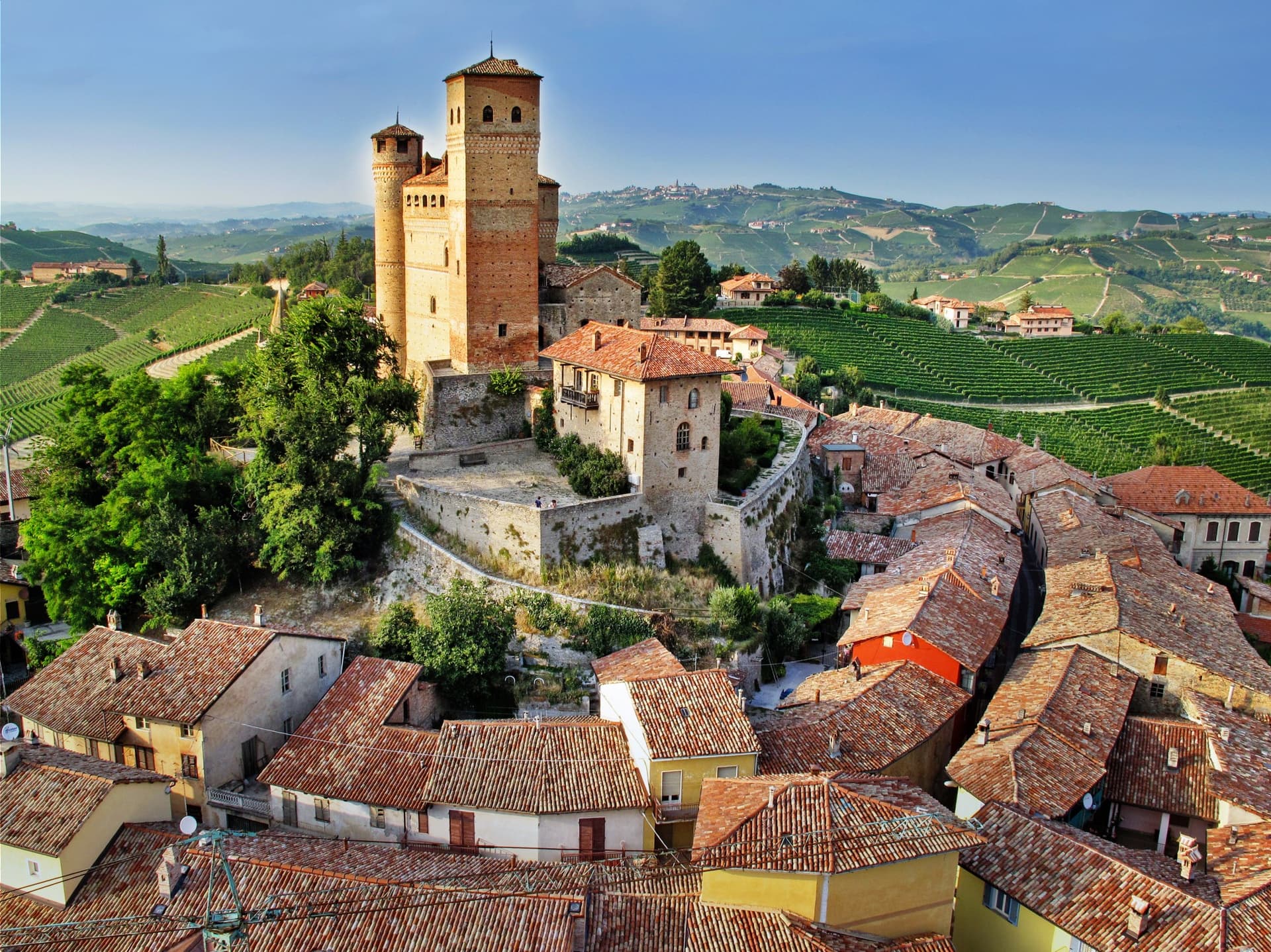
- wandering freely through the historic centre of Barbaresco, and visiting its fortified castle;
- participating in a truffle-hunting expedition in the city of Alba;
- posing for a photo in front of the entrance to the Royal Palace of Turin;
- admiring the richly decorated façade of Palazzo Madama;
- visiting the historic residences of the House of Savoy;
- tasting the region's finest specialities;
- embarking on an unforgettable hike in Grand Paradis National Park.