Ferrara
Ferrara
Renaissance palaces, brick ramparts and Italy's cycling capital: Ferrara, a UNESCO gem in Emilia-Romagna, is to be savored between the history of the Este family and court cuisine.
Name: Ferrara
Status: Province
Region: Emilia-Romagna
Population: 132,009 (2016)
Area: 404.36 km²
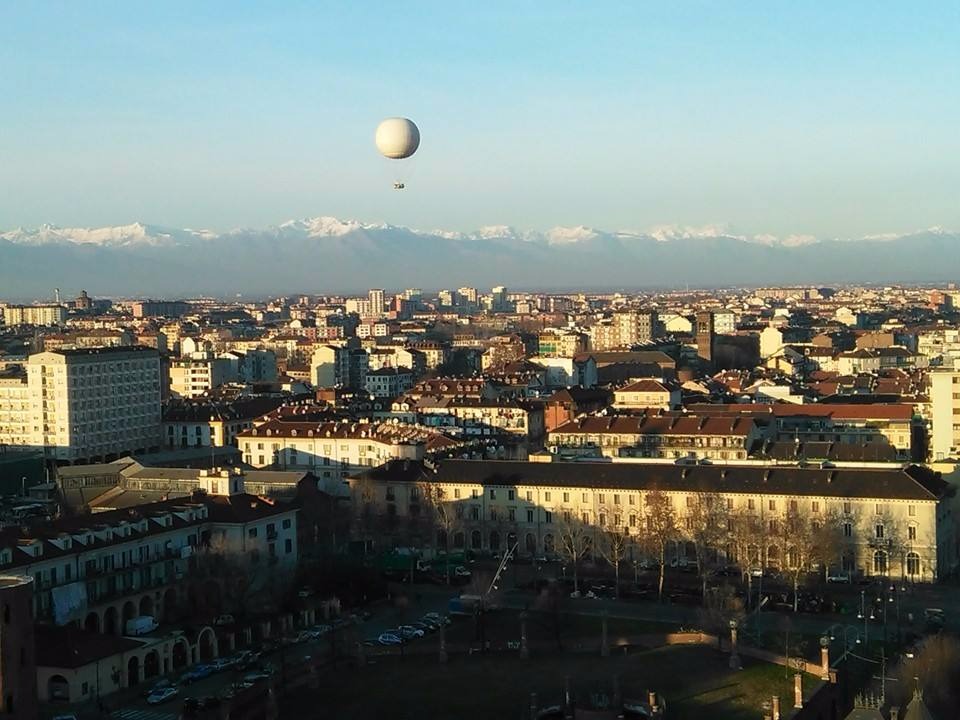
Ferrara is a magnificent city of art located in the Emilia-Romagna region, northeast of Bologna, on the Po di Volano. This city is home to countless attractions that will make your stay a truly memorable experience. With its unique character, blending Renaissance and modernity, it holds the status of UNESCO World Heritage Site.
History
Over time, Ferrara was ruled by various nobility, including Count Tedaldo di Canossa (988), Countess Matilda of Tuscany (1101), and Frederick I Barbarossa (1158). During the 12th century, a great conflict erupted between the rival families of Salinguerra and Adelardi. In 1184, rights and agreements were established between the two families in the House of Este. As a result, they decided to govern the city jointly until 1240.
In 1391, the University of Ferrara was founded, which today houses a significant collection of manuscripts, including works by Ludovico Ariosto and Torquato Tasso. Then in 1598, Ferrara became the seat of a powerful principality and an important cultural center. After becoming the seat of an Austrian garrison in 1832, the city became part of the kingdom of Italy in 1860.
Presentation of the City
With an area of approximately 404.36 km², the city of Ferrara is currently home to over 132,009 residents. Celebrated for its glorious past, the city houses countless essential historical remains. From modernity to Renaissance architecture, this city will not fail to amaze you.
Ferrara and Its Tourist Attractions
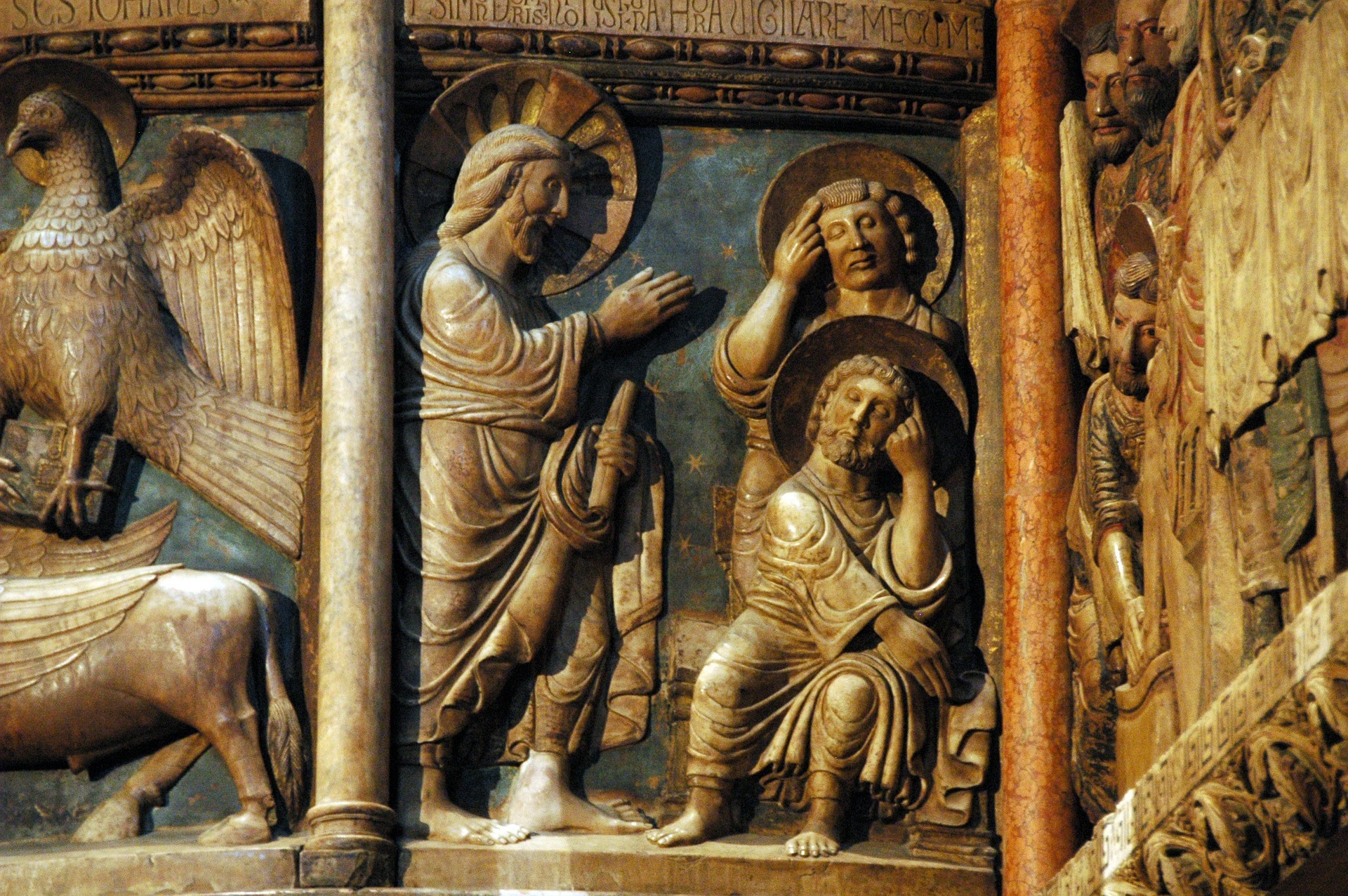
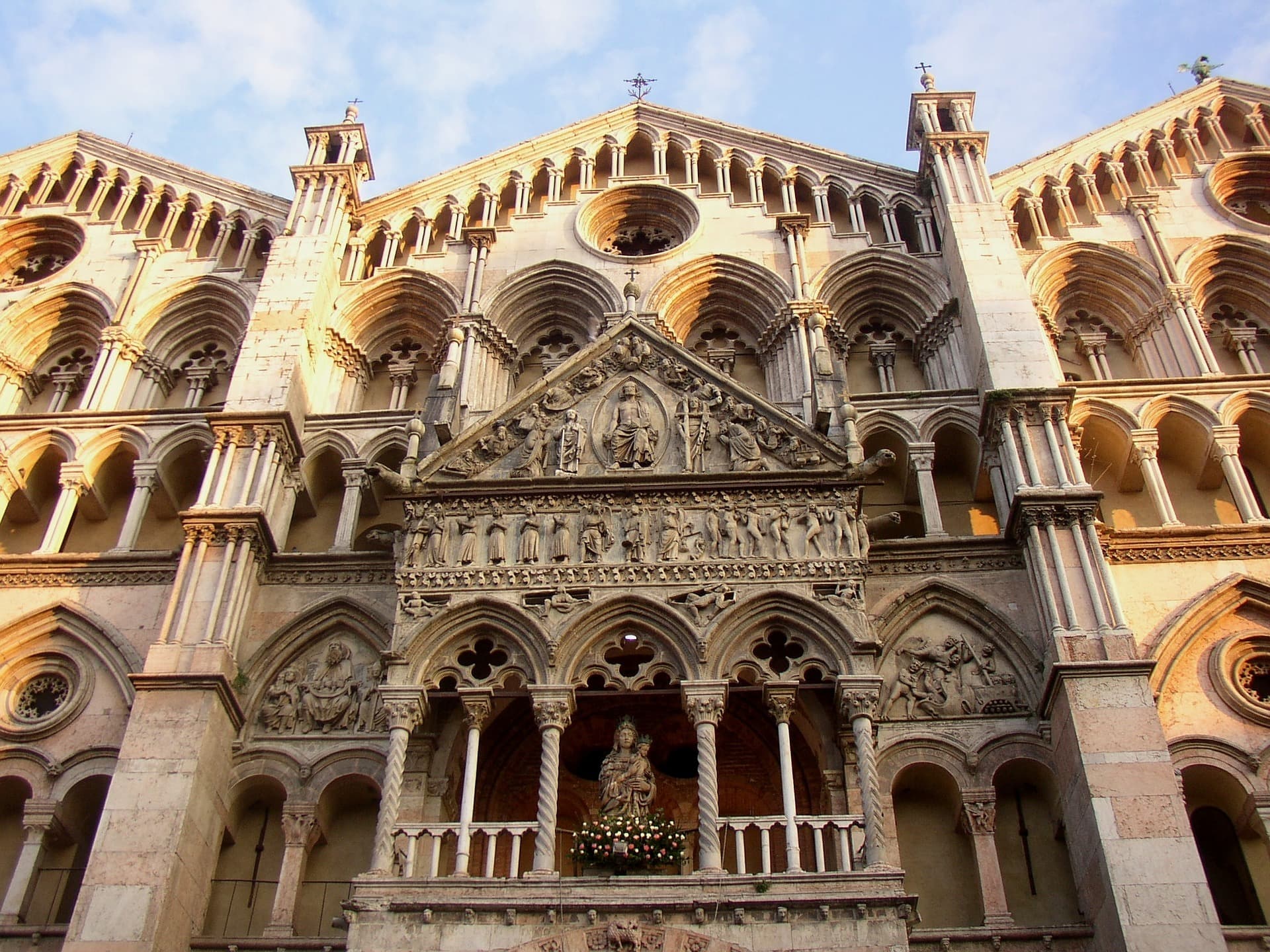
A stay in Ferrara promises to be rich in discovery. Begin your tour with a visit to Castello Estense. Built in 1385, this castle represents the symbol of power of the noble family that once lived there. A covered walkway connects it to the Town Hall, making it even more charming. Nearby, the Cathedral of San Giorgio, built from the 12th century onward, fascinates visitors with its exceptional façade showcasing a perfect blend of Gothic and Romanesque architectural styles. Inside, you'll find a museum containing sculptures, paintings, tapestries, ancient organ panels, and 12th-century panels from the Cathedral's Porta dei Mesi.
Moreover, Ferrara also offers other major attractions, namely the Loggia dei Mercanti, Piazza Ariostea, Casa Romei, Palazzo Schifanoia, Palazzo Costabili, Palazzo dei Diamanti, the Monastery of Saint Anthony at Polesine, and many others.
Ferrara and Its Gastronomy
Ferrara's gastronomy offers numerous traditional cuisines referencing the Middle Ages. Among typical dishes are macaroni pie, salt-dried cod with apple vinegar, pumpkin cappellacci, bat and eel risotto, and snails alla ferrarese.
For dessert, savor panpepato, mandorlini del ponte, topolino di Comacchio, and the famous almond biscuits.
Events, Fairs and Festivals
Each year, Ferrara hosts several festivals centered on different themes. Among the most popular are: the Ferrara Festival, Ferrara Buskers Festival, the Palio of Saint George, the Giostra del Monaco, and the Ferrara Marathon.
It is entirely possible to reach Ferrara by plane, train, or bus.
Plane
Located just 6 km northwest of the city center, Bologna Guglielmo Marconi International Airport is relatively well served by national airlines. The airport offers daily flights to most major Italian cities. International flights serve Paris, Barcelona, London, and others.
Train
The train is the easiest way to get to Ferrara. Ferrara train station connects the city to Florence, Bologna, Venice, and Ravenna.
Bus
A number of bus companies regularly serve the city of Ferrara.
The most practical way to explore the city is by bicycle. Rent one near the station or the Duomo.
Want to discover this destination?
Our local advisors design your tailor-made trip.