Complete Italy Guide
Italy stretches across a boot-shaped peninsula for 1,200 kilometers, yet fifteen steps are sometimes enough to shift landscape, dialect, and pasta shapes. From our Rome office, we craft itineraries that take time to distinguish a Tuscany of hills clustered around Pienza from a greener, quieter Umbria, or the baroque Sicily of Noto from the wind-swept Aeolian villages.
The north concentrates alpine contrasts: the glacial lakes of Como and Garda, Piedmont vineyards around Barolo, and the Dolomites soaring above 3,000 meters. At the center, Rome, Florence, and their surrounding countryside remain the historical heart, with summers reaching 35°C that call for planning visits before 11am. The south plays a different tune: Naples and its volcanic bay, the Amalfi coast, Puglia and its ancient olive groves, then Sicily and Sardinia—two islands each worth ten days.
For a first trip, we typically recommend combining two regions over twelve days rather than five in two weeks. Italy is best savored in fragments, and each return reveals a valley, a trattoria, or a trail that the previous journey had left behind.
The regions of Italy
Each region has its own personality: climate, landscapes, pace of life and ways of traveling. Our local team helps you choose the combination that suits you.
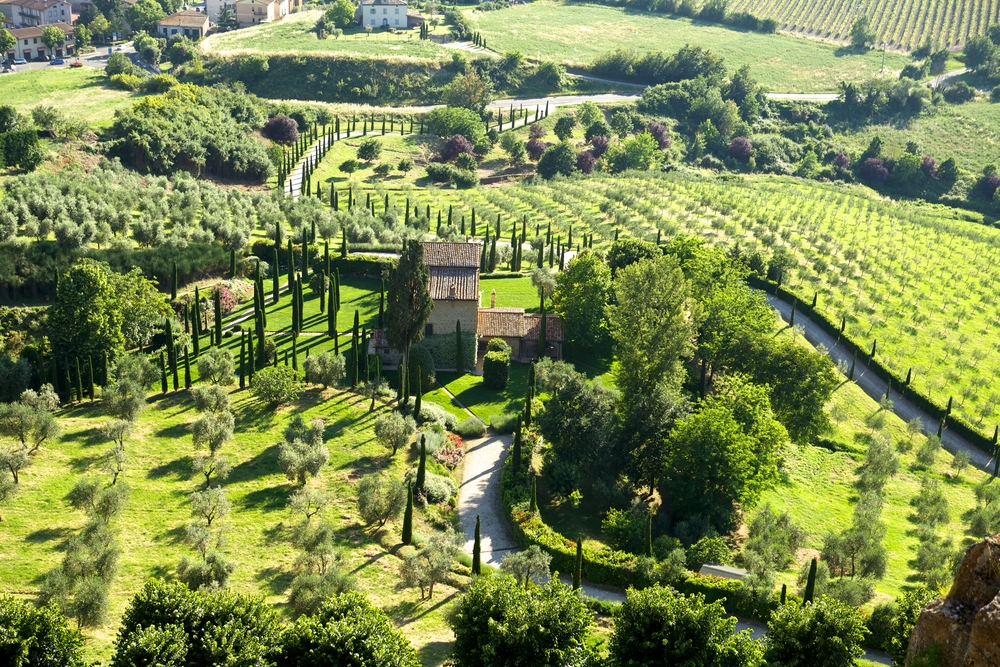
Tuscany and Umbria
Chianti, Val d'Orcia around Pienza, the streets of Siena and Orvieto Cathedral make up a landscape of rolling hills, cypress-lined avenues and hilltop villages. Umbria, its quieter neighbor, adds Assisi, Lake Trasimeno and the Spoleto Valley. The climate allows travel from April to October, with a preference for May-June and September, when temperatures hover around 25°C and the grape harvest approaches. We recommend settling into an agriturismo near Montepulciano or Bevagna to explore on foot and by car, rather than moving between hotels.
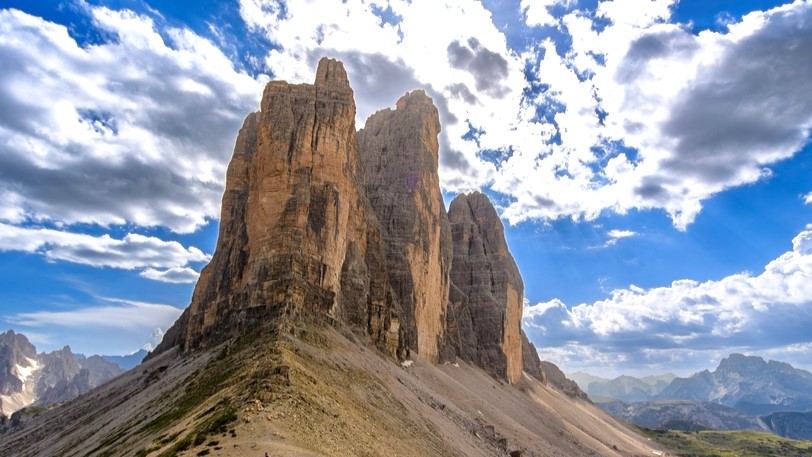
Dolomites and Lakes
To the north, the Dolomites rise with their limestone walls above 3,000 metres, crossed by marked trails around Cortina d'Ampezzo and Lake Braies. Further west, Lakes Como, Garda and Maggiore offer a milder climate, ideal for villas and boat trips between Bellagio and Varenna. The hiking season runs from June to mid-October. In winter, skiing takes over around Alta Badia. We often combine three nights in the mountains with two nights on the shores of Lake Como to vary altitudes and atmospheres.
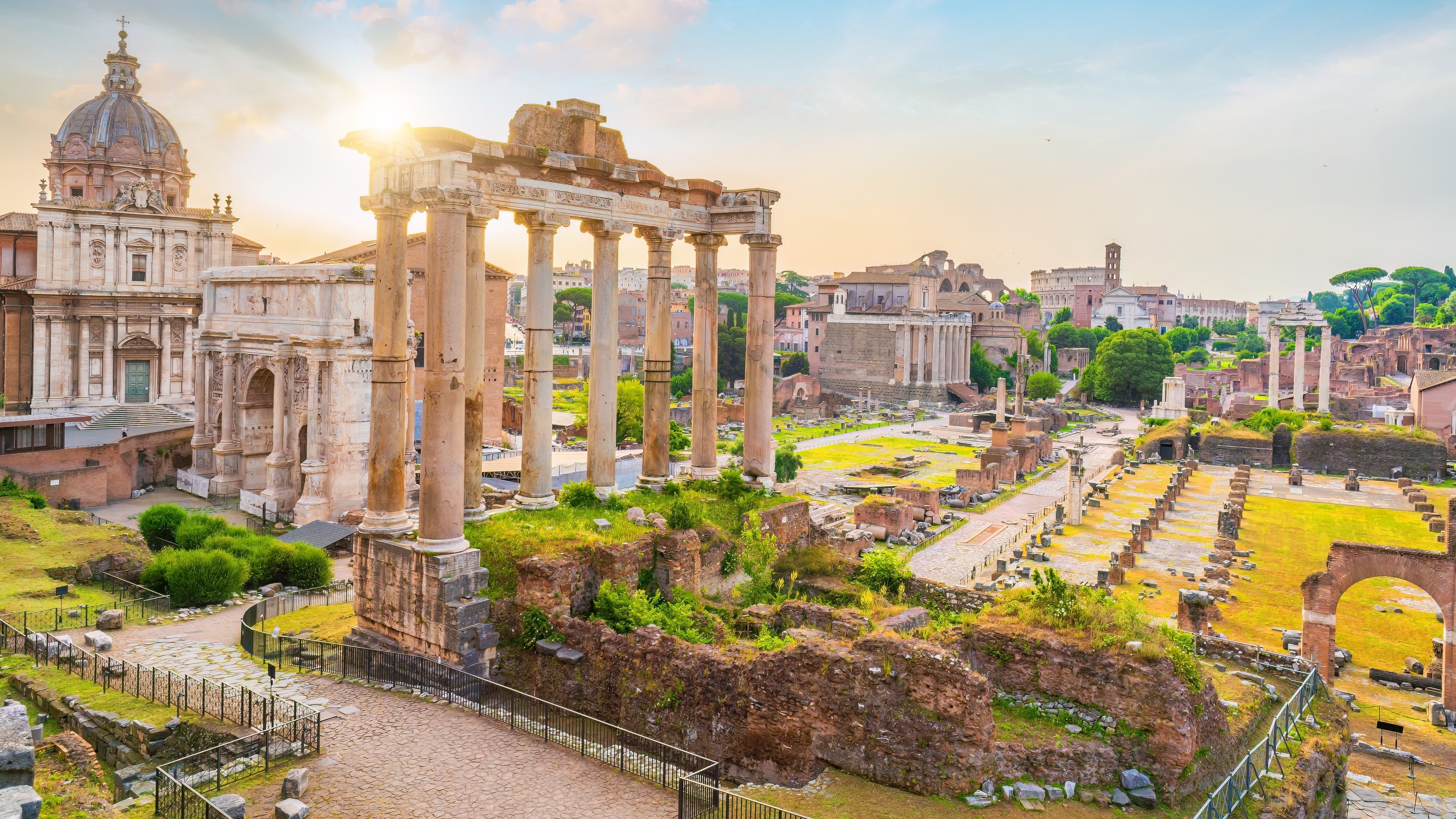
Rome and Latium
Rome requires a minimum of three full days to cover the Forum, Vatican, Trastevere and an evening in the Monti district. Around the capital, Latium remains undervisited: the gardens of Villa d'Este in Tivoli, the volcanic lakes of Bracciano and Bolsena, or the Etruscan coast towards Tarquinia. Roman summers often exceed 35°C and empty the city in August. We prefer to position Rome in April, May, October or early November, and always recommend booking skip-the-line tickets for the Vatican Museums and Borghese Gallery several weeks in advance.
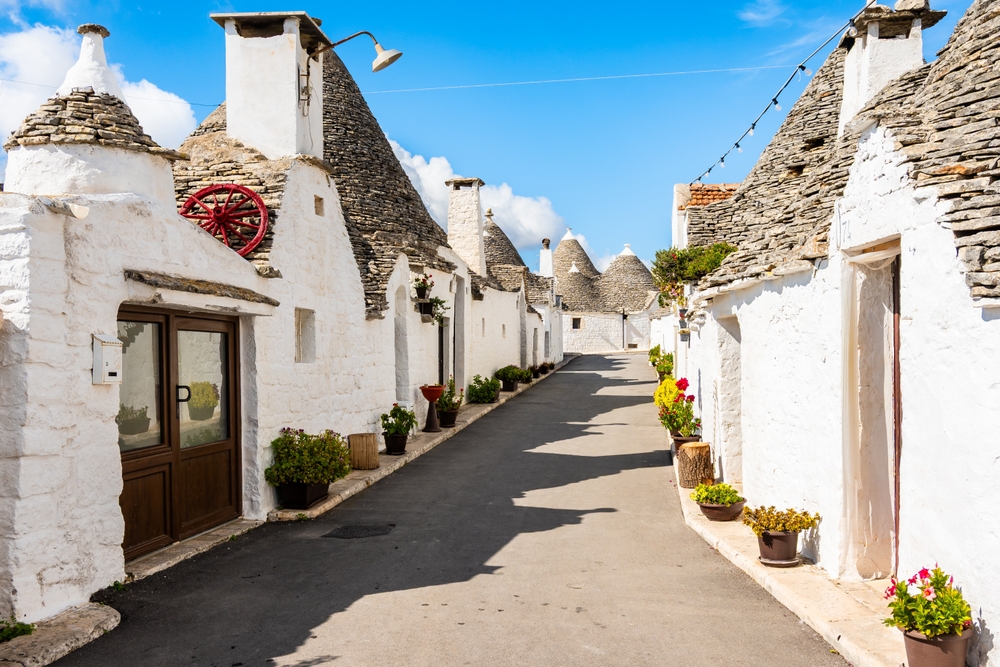
Apulia and Basilicata
The heel of the boot aligns the trulli of Alberobello, the white stone of Ostuni, the baroque of Lecce and the coves of the Adriatic coast towards Polignano a Mare. Neighboring Basilicata hides Matera and its sassi carved into the rock, UNESCO-listed. The region lends itself to a road trip, with flat and well-maintained roads. From May to late June, then in September, the water exceeds 22°C and villages remain pleasant. We typically combine a week in Puglia with two nights in Matera to capture the contrast between agricultural coast and troglodytic landscape.
Sicily
A destination in its own right, Sicily requires ten to twelve days to experience Palermo and its markets, the Greek temples of Agrigento and Segesta, the Baroque architecture of Noto and Modica, and the ascent of Mount Etna, which reaches over 3,300 meters. The beaches of San Vito Lo Capo and the Aegadian Islands complete a culturally-focused journey. The ideal period runs from April to June, then September to October; July and August regularly exceed 38°C inland. We organize itineraries as loops from Catania or Palermo, with a rental car essential for reaching the villages of the interior.
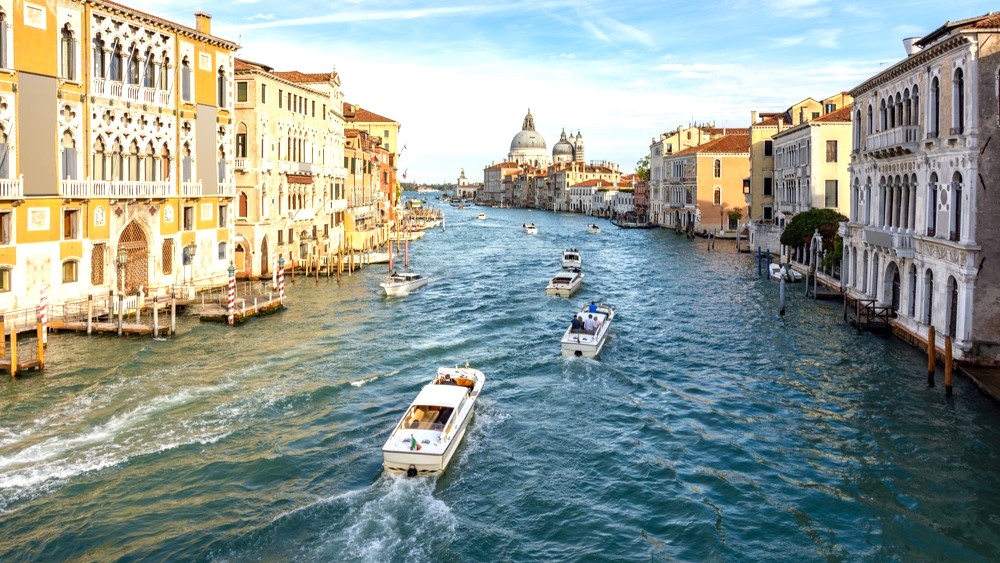
Venice and Veneto
Venice reveals itself beyond Saint Mark's Square, in the sestieri of Cannaregio and Dorsoduro, or on the islands of Burano and Torcello. The Veneto region around adds Verona, Padua, the Palladian villas of the Brenta and the Prosecco hills between Conegliano and Valdobbiadene, UNESCO-listed. We avoid July-August due to crowds and humid heat, and favour April, May, October and November, when the lagoon regains its soft light. Three nights in Venice and two in the Veronese countryside form a balanced foundation for a first visit.
Explore by theme
Unique experiences tailored to every traveler.
Culture & Heritage
Temples, musées, sites historiques
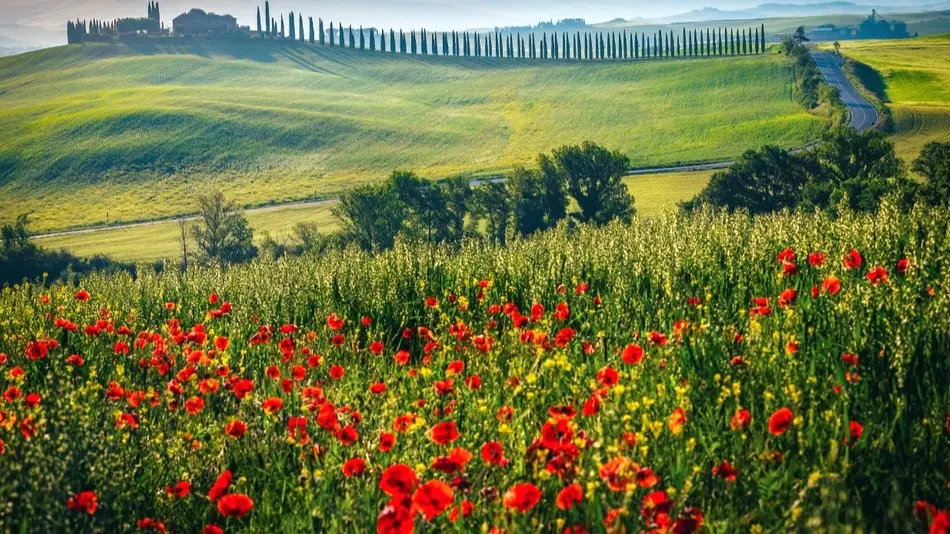
Nature & Landscapes
Parcs nationaux, montagnes, forêts
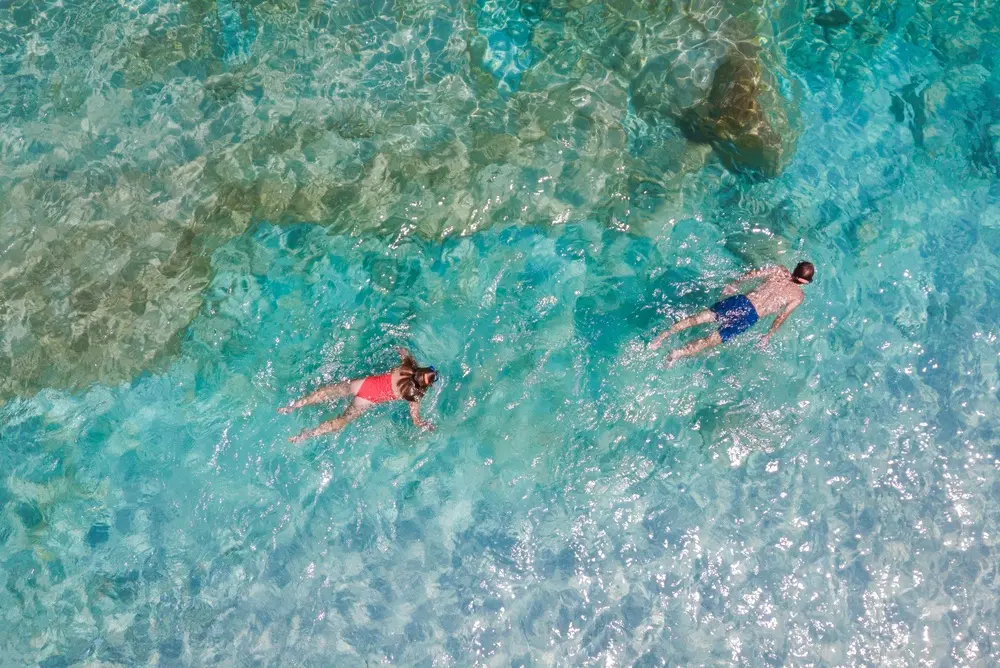
Sea & Beaches
Littoral, îles, sports nautiques
Wildlife & Biodiversity
Observation animale, sanctuaires, réserves
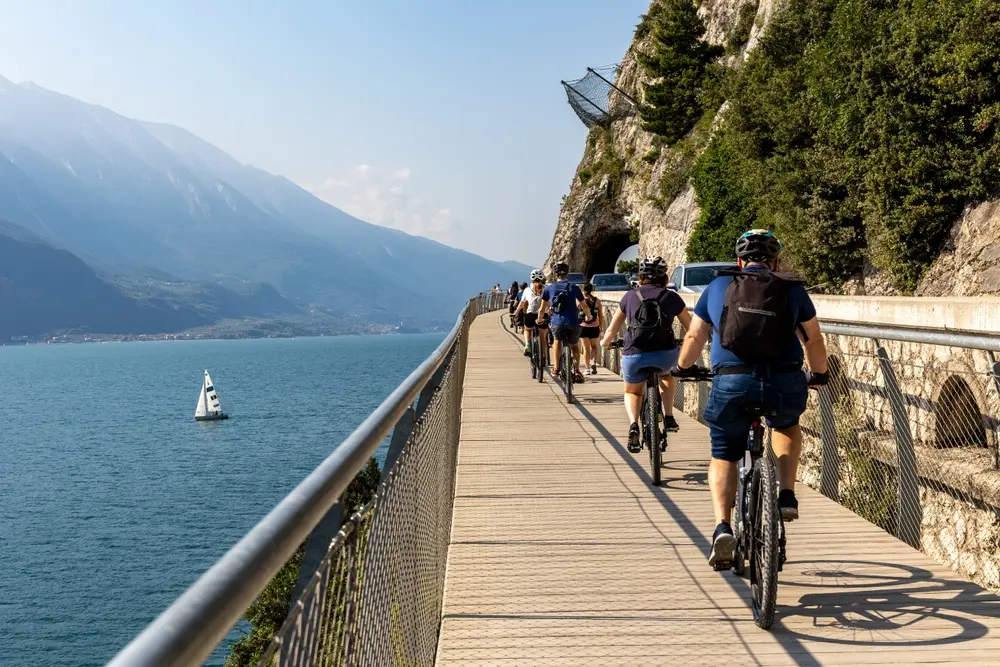
Activities & Adventure
Trek, kayak, escalade, sports outdoor
Gastronomy
Cuisine locale, marchés, cours de cuisine
We use cookies to improve your experience and measure our site's audience. You can choose what you accept. Learn more.