Messina
Messina
The eastern gateway to Sicily, Messina combines a Norman cathedral, a spectacular astronomical clock, and direct access to the Aeolian Islands. A complete guide to planning your visit.
Raw Mediterranean light, olive groves, and citrus gardens stretching to the horizon, tumultuous waterfalls of the Nebrodi natural park, a dreamlike cruise to the Aeolian Islands… A stay in Messina is a journey brimming with discoveries and emotion. At Sicily's eastern tip, stretching along a strait shaped like a sickle, the Messina seaside resort rivals Corsica for the splendor of its beaches and coves. Its commercial and pleasure ports are overlooked by the Madonna stele, standing watch over the city day and night. Capital of Messina's metropolitan province, the city is also rich in emblematic sites and monuments, including the Norman cathedral of Messina, to name but one. Venture to Messina, Sicily's unmissable pearl!
History
Several myths and legends surround the city's founding. In a fit of rage, Neptune supposedly struck Sicily with his trident, separating it from mainland Italy. The apostle Paul is said to have landed on the Strait of Messina during his maritime journey spreading the gospel. Finally, the Madonna herself allegedly delivered a letter to the Christians of Messina, declaring herself the city's patron saint.
Messina was once a Greek possession. In the 8th century BC, Greek colonists founded the city and named it Zancle in memory of its first legendary king, Zanclus. Years later, the region's tyrant renamed the city in honor of his birthplace in the Peloponnese, Messenia, hence the name Messina.
Over centuries, the city was governed in turn by the Goths, the Byzantine Empire, the Arabs, the Norman brothers Robert Guiscard and Roger Guiscard, and English king Richard I. Between 1674 and 1678, the city of Messina revolted against Spanish rule, supported for a time by Louis XIV.
Messina nearly vanished from the map several times. In 1783, a devastating earthquake struck the city, killing over 650 people and leaving only 30,000 survivors. Then a second seismic catastrophe, known as the "Messina earthquake", erupted in 1908. The toll was even heavier: half of the inhabitants, numbering 147,500 at the time, perished, and 90% of infrastructure collapsed. The city of Messina was again targeted by aerial bombardments during the 1945 war.
Despite these devastating events, local architecture was meticulously restored. The people of Messina demonstrated remarkable courage and saw in each misfortune an opportunity to rewrite their history and give their city new forms.
Visiting Messina
Home to 238,000 inhabitants, Messina is the third largest urban area in Sicily after Palermo and Catania and ranks thirteenth among Italy's major cities. It boasts large agricultural production basins. Citrus fruits, vineyards, and lavender fields dominate in countryside villages. AOC wine production is an important income source for residents. However, Messina's economic growth relies primarily on tourism. The city develops three types of tourism products: cruises, beach resorts, and exploration of natural treasures. Naturally, its architectural and artistic heritage forms the cornerstone of this sector.
Points of Interest in Messina
A circuit through Messina invites you to admire Sicily's architectural gems, traveling through a succession of cathedrals, palazzos, citadels, and museums, not forgetting charming squares adorned with fountains where satyrs and dancing nymphs come to life. So take full advantage of these places and their unique surroundings during your exploration of the region.
Among must-see sites, take time to visit the vast Piazza del Duomo. At the far end of the square stands the Cathedral of Santa Maria in Celio, the mother church of the city. Sacked in the 9th century during Saracen rule before being rebuilt in 1197, it houses the remains of King Conrad, sovereign of Germany and Sicily.
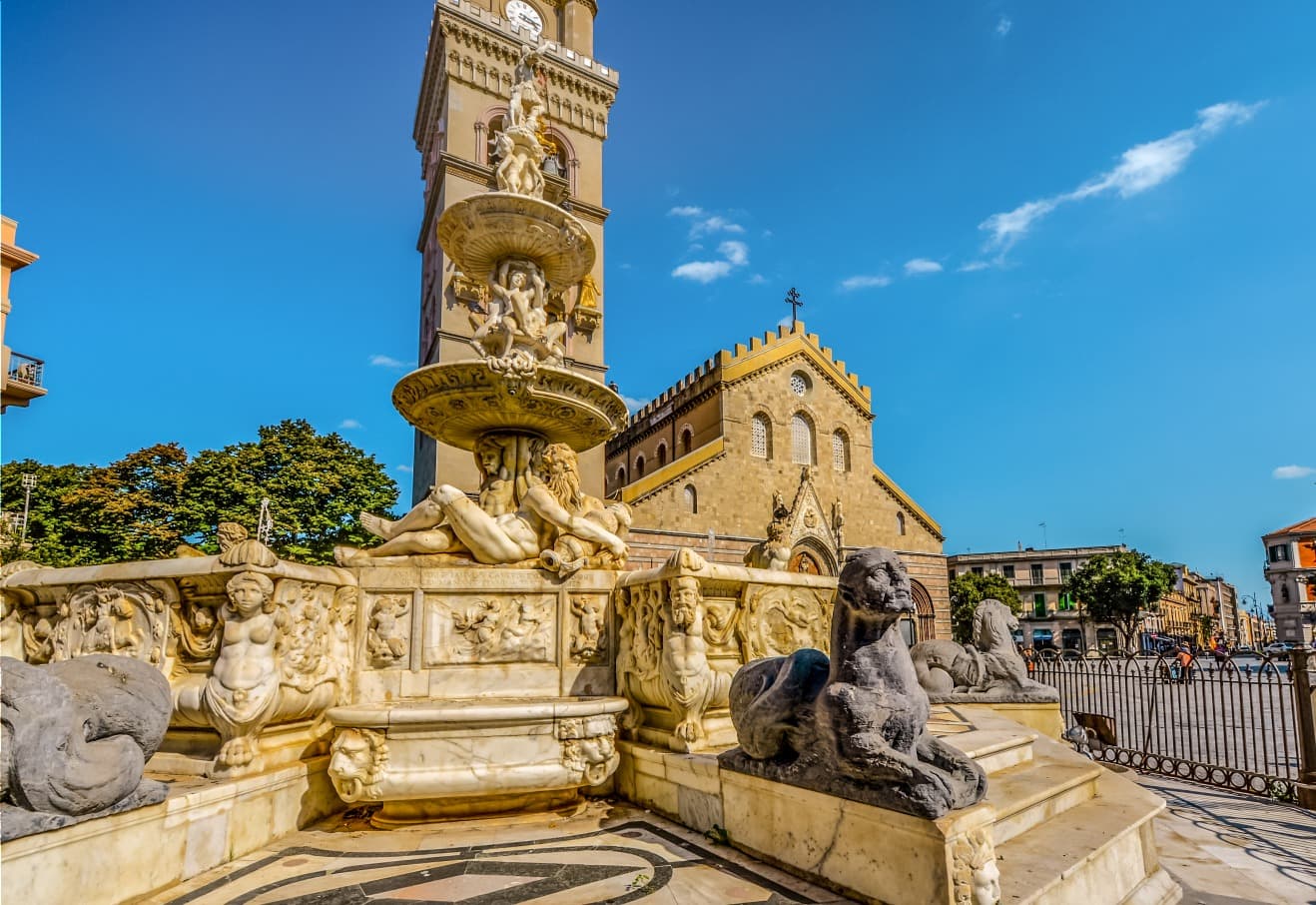
Opposite the cathedral, check out the Fountain of Orion, created between 1547 and 1551 by sculptor Giovanni Angelo Montorsoli, a disciple of Michelangelo. The mythological figures associated with the theme of water are of rare beauty: the giant Orion with his hunting dog, cherubs borne by dolphins from whose mouths water gushes forth, four nymphs and four fish-tailed tritons. The Fountain of Orion, dedicated to Messina's legendary founder, is intimately bound to its identity and history.
A stone's throw away stands the baroque column of the Church of the Virgin Mary by Giuseppe Buceti. It was built in 1758 by the Normans. Unfortunately, the 1908 earthquake reduced the church to ruins. Later, the entire site was severely ravaged by World War II bombardments. After the war, the sites were reconstructed in their original form.
Another remarkable monument, the astronomical clock of Messina Cathedral is located in the Pedestrian Zone at Piazza Duomo. This monumental 60-meter-high clock face is the result of extremely complex mechanical and astronomical engineering. Designed by the Ungerer firm of Strasbourg, the cathedral clock, inaugurated in 1933, is undoubtedly the city's flagship attraction.
Also visit other interesting sites in the city such as the Regional Museum, the Camposanto, the Pantani, the Botanical Garden, the Sanctuary of Montalto, the Fountain of Neptune, the Vittorio Emanuele III Gallery, the Madonna stele, Viale Italia, and more.
Seaside Holidays
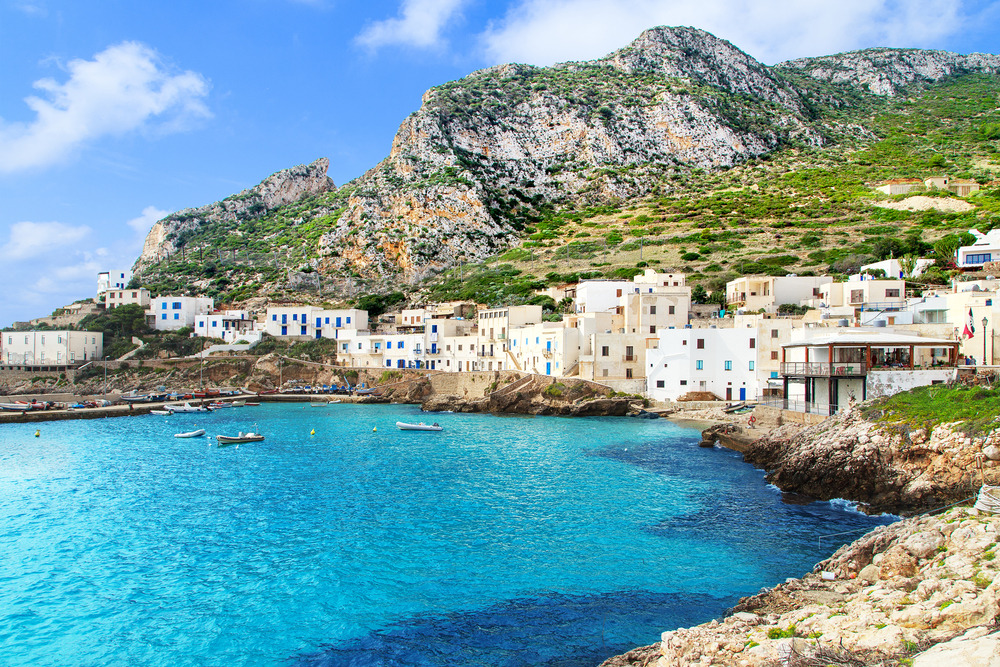
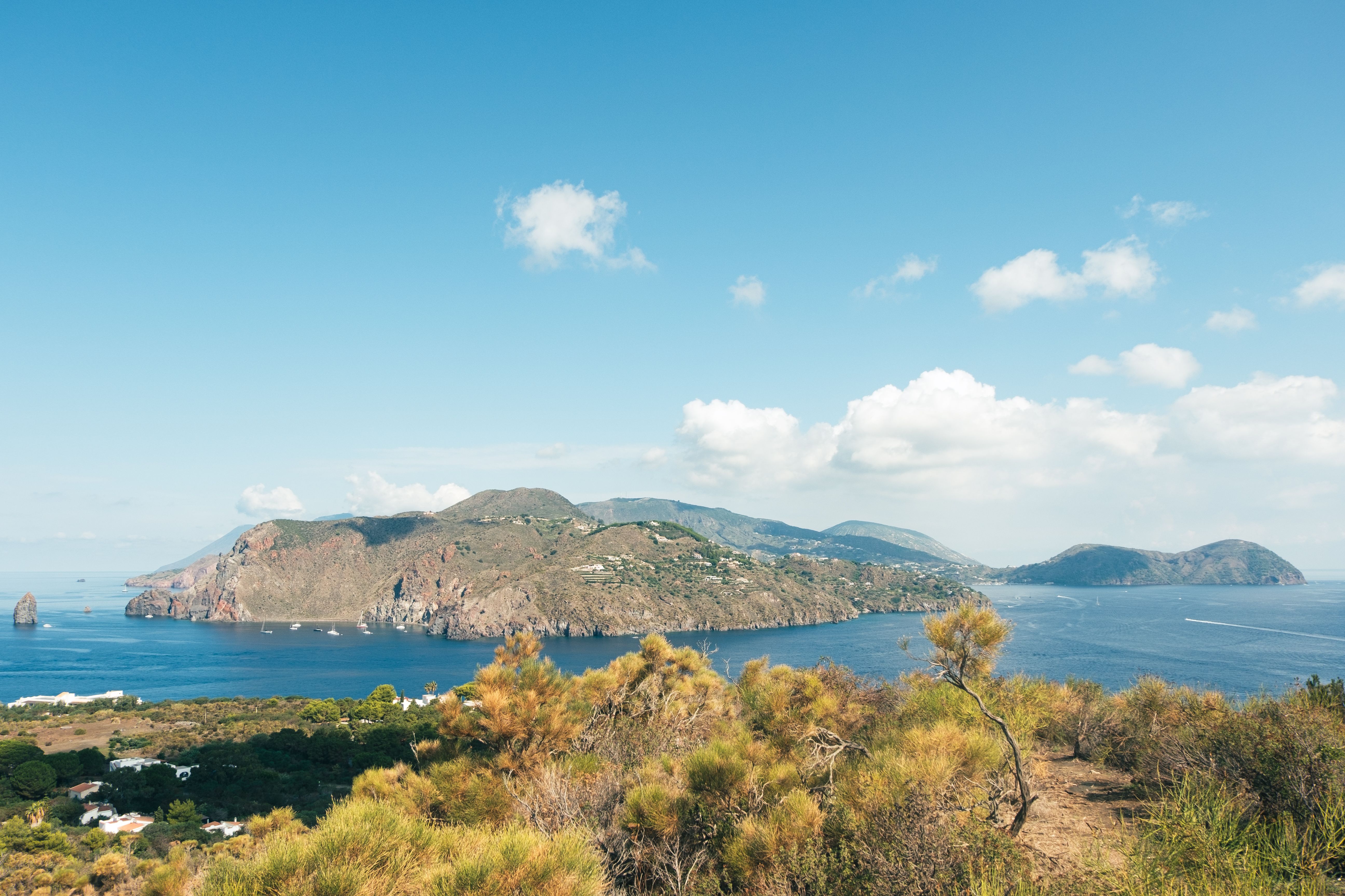
With 30 kilometers of beaches, Messina boasts being a charming seaside resort. Its coastline is deeply jagged. Tourists will delight in this dreamlike setting formed by the Tyrrhenian Sea, the Aeolian Islands, and the Peloritani mountain range.
Stroll along the Lido San Gregorio beach, perfectly equipped for sunbathing. It's just 1.5 km from Capo d'Orlando. The playground adjacent to the beach will keep children entertained while adults try their hand at canoeing, windsurfing, or sea trikes.
The Marinello beach, flanking the coastal town of Tundari, is a ribbon of sand dotted with picturesque lagoons. A parking area is available, though you'll need to walk a few minutes to reach the beach. Golden sand, maquis, spectacular nature reserve… A perfect excursion destination for enjoying the pleasures of the sea.
Castel di Tusa beach: Known for its surprising rock formations, Castel di Tusa beach ranks among Sicily's most beautiful. After swimming, cool off on a panoramic terrace while enjoying octopus and squid salad, tuna with olives, or other seafood dishes.
Climate
Located in the heart of Sicily, the Mediterranean's largest island, Messina is part of southern Europe. The Mediterranean climate is strongly marked, with hot, dry summers. The temperature remains relatively pleasant year-round: between 15°C and 31°C. It's neither too hot nor too cold, except in mountainous areas. However, rainfall can be a concern as Messina is Sicily's most humid region. January through March are the wettest months (13 days of rain).
The best time to visit Messina is therefore between June and August. But if you don't tolerate heat well, choose dates between mid-April and end of May to enjoy spring's freshness.
For air travel, you can land at Catania Fontanarossa Airport, located about 90 km south of the city. You'll find bus lines, taxis, and car rental options available.
If you choose rail, Messina's central station is constantly served by trains from Catania, Palermo, and all long-distance trains arriving in Sicily. You can also take the train from the Villa San Giovanni station, which is connected by Frecciargento service to Rome and Naples.
By road, the city is connected to Catania via the A18 motorway and to Palermo via the A20 motorway. Additionally, numerous long-distance buses linking Messina to Rome, Naples, Catania, and Palermo are available, as well as regular buses serving Taormina and Milazzo.
Finally, by boat, there are several ferries daily at all hours to Villa San Giovanni as well as hydrofoils to Reggio di Calabria**.**
Want to discover this destination?
Our local advisors design your tailor-made trip.