Asti
Asti
Medieval towers, sparkling Moscato and UNESCO hills: complete guide to visiting Asti, Piedmont's overlooked wine capital, 55 km from Turin.
Famous for its sweet sparkling wine, Moscato d'Asti, the city is a treasure trove of architecture, monuments and museums set against exceptional vineyard landscapes. Here's what makes Asti an essential destination.
Tourism in Asti: Hiking, Gastronomy and Gothic Treasures
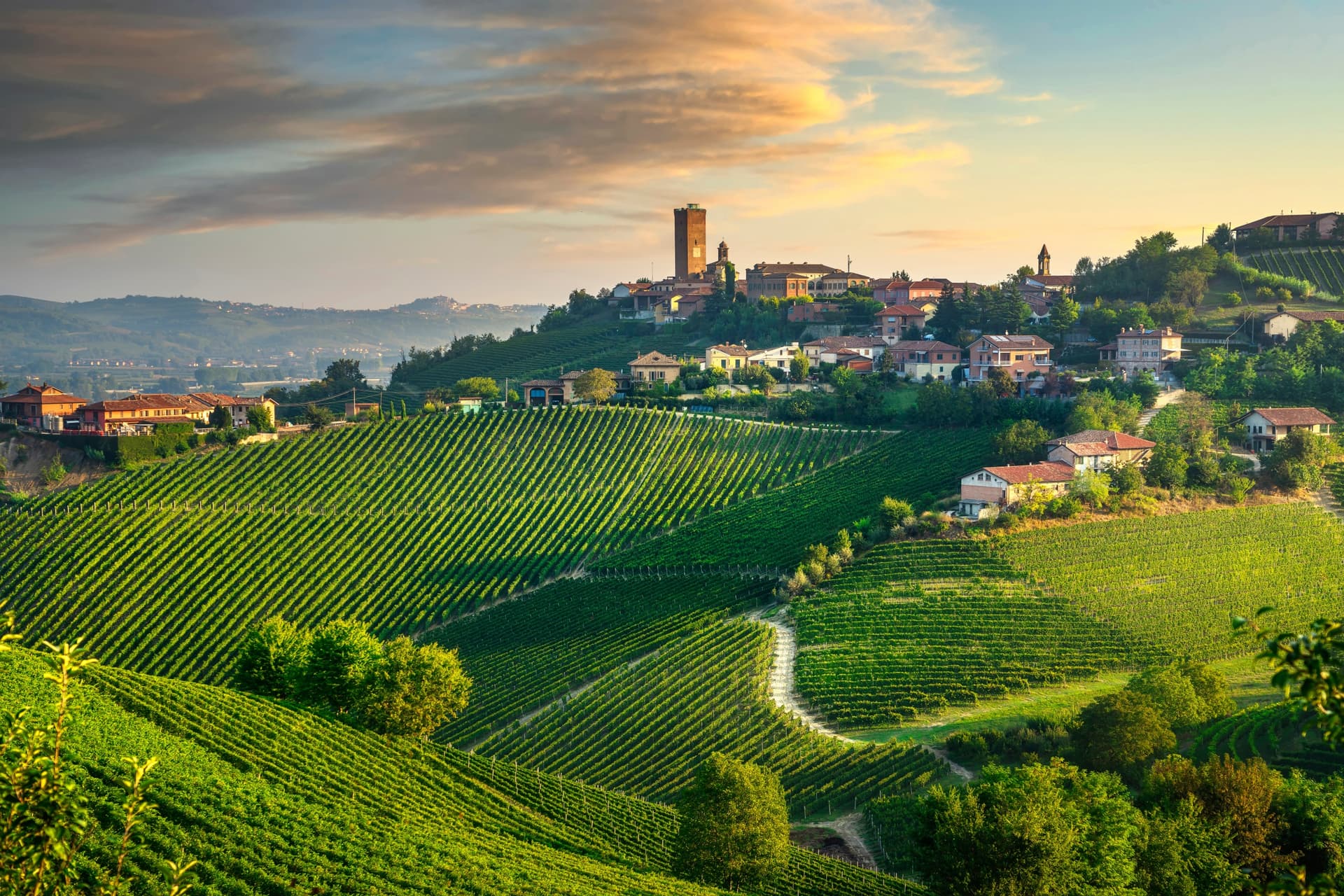
Asti is a premier wine tourism destination, though reducing it to just another typical vineyard village of Piedmont would be a grave mistake. Beyond the ocean of rolling hills and vineyards lies an open-air museum. Fortified towers recall the feudal era when nobles ruled the city, their magnificent palaces towering over humble dwellings. Bell-tower churches, courtyarded palaces and fountains, ancient arcaded streets—treasures await at every corner of the historic quarter. A heritage tour can precede or follow wine-themed circuits. Strolling through hillsides heavy with grapes, helping with harvest campaigns, observing wine aging in cellars, and finishing with an excellent tasting session—these are just some of the pleasures awaiting during a visit to Asti. The destination sits just fifty kilometers from Turin.
Notes from the Past
Asti's rich history spans 3,000 years, beginning when the Roman Empire, pushing back Celts and Ligurians, established a colony bearing the name municipium. By the mid-6th century, Asti served as the seat of a powerful Lombard duchy whose borders extended beyond the Maritime Alps. It later fell under episcopal rule.
Two waves of prosperity shaped Asti's economy: first in 1140, when it gained political sovereignty as a city-nation, free to mint its own currency but bound to neighboring cities through mutual defense pacts; then from the 13th through 14th centuries, when the Peace of Constance spurred commercial and maritime exchanges with Northern Europe. In 1314, the Free Republic of Asti fell under Charles I of Anjou, the sovereign of Naples. After passing through the hands of the Visconti and Orléans families, Asti became a Savoyard possession.
The Modern City
Home to 78,000 inhabitants, Asti is the capital of Asti province and the producer of Moscato d'Asti, a sparkling white wine whose reputation has crossed oceans. Most travel guides present Asti as an essential stop in a Piedmont adventure, yet the destination faces stiff competition from Alba, the white truffle capital, as well as Stresa and Sestriere. Against these formidable neighbors, Asti distinguishes itself through richer medieval heritage and, above all, a unique equestrian competition—the Palio of Asti—which draws competitors from across Piedmont.
Must-See Attractions
Architectural and Historical Heritage
A stroll through the cobblestone streets of the old town is essential to admire the medieval legacy:
The Fortified Towers
Of the roughly 120 defensive towers that once encircled the city, about fifteen have survived the centuries. Admire the Clock Tower, also called Torre Troyana, attached to a 14th-century patrician residence. One hundred ninety-nine steps lead to a viewpoint 38 meters high, offering spectacular views. The Torre dei Comentini overlooking Piazza Roma is equally remarkable, as is the Torre Rossa, a Roman relic famous for once imprisoning Saint Second of Asti before his execution by beheading.
The Palio of Asti
Rightly, the Palio of Asti boasts being Italy's oldest horse race. Each September—specifically the third Sunday—horse racing enthusiasts from across Piedmont gather to watch or participate in this competition. Its significance stems from a historic 1273 war between Asti and Alba. The race unfolds on Piazza Alfieri with riders and stallions from surrounding villages.
The Teatro Alfieri
This theater, erected in honor of Alfieri, the father of Italian tragedy, deserves a visit. A statue dedicated to him stands on Piazza Alfieri.
Piazza San Secondo
Piazza San Secondo is undoubtedly the city's nerve center. Locals gather here to unwind, sit on sunny benches or enjoy artisanal gelato. The Town Hall stands here, its light-colored walls contrasting with the red-brick tones of the collegiate church.
Religious Heritage
The Cathedral of Santa Maria Assunta
Inaugurated in the 13th century, the Cathedral of Santa Maria Assunta is among Piedmont's most imposing churches. Its façade, pierced by three rose windows and three portals, masterfully blends Gothic and Lombard Romanesque art. The interior houses stunning murals glorifying the Virgin and Christ, signed by painter Carlo Innocenzo Carloni.
The Baptistry of San Pietro
Beyond the city's mother church, the Baptistry of San Pietro merits a visit for its unusual octagonal plan and dome. The architect designed it as a faithful replica of the Church of the Holy Sepulchre in Israel.
The Collegiate Church of San Secondo
The local martyr to whom this church is dedicated is Saint Second of Asti. Dating to the 13th century, it was erected at the very spot where the saint died in 119 AD.
Festivities
The Festival della Sagre
If you're in Asti in early September, don't miss the Festival della Sagre for anything. Held every year the second weekend of September, just before the horse race, Piazza Alfieri hosts an enormous agricultural fair.
The Douja d'Oro
This festival, following the Festival della Sagre and preceding the Palio of Asti, brings together wine enthusiasts. Events include wine competitions, tastings and the awarding of the golden goblet.
Wine Heritage
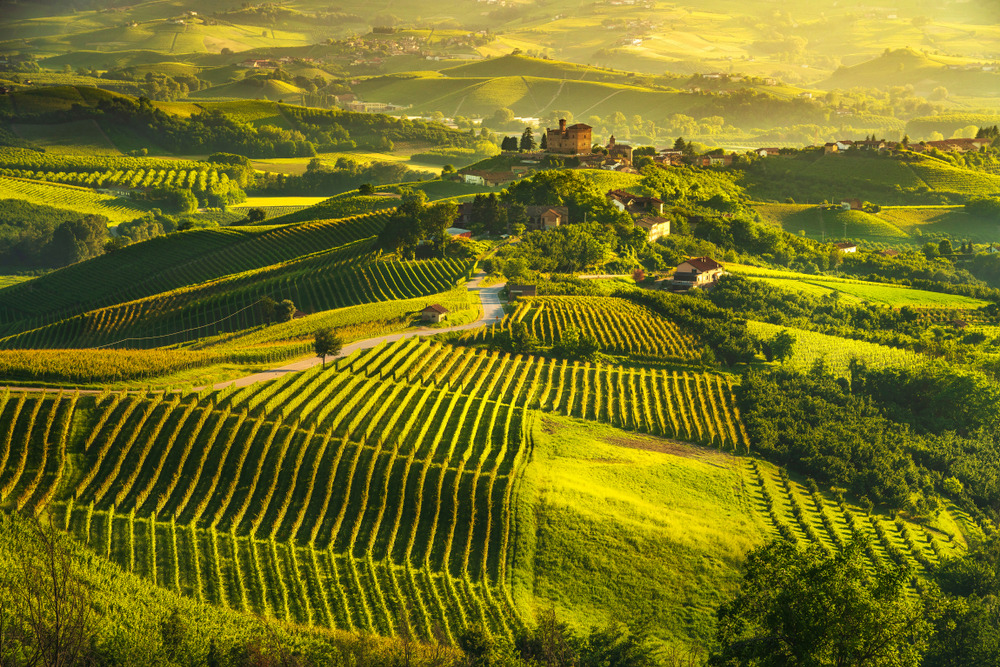
Asti offers several wine-themed travel itineraries. Visits to grand vineyards provide connoisseurs the chance to taste premium vintages, including Moscato d'Asti, Barbera red or sparkling Asti. Oenology is inseparable from gastronomy, as many growers operate restaurants on their properties.
When to Visit?
For wine tourism enthusiasts, an autumn visit is highly recommended, when harvesting is in full swing. Vineyard landscapes unfold in fabulous perspective from several vantage points. Weather-wise, the best season to visit Asti is between May and September.
Reaching Asti has never been easier with improved transportation links. The nearest airport, Turin's, lies approximately 55 km from Asti's city center. Train, taxi or metro can cover the distance. Seventy-one daily trains connect Asti and Turin, getting you there in about 30 minutes.
Getting Around
Asti's narrow lanes can be explored on foot or by bicycle. You can also drive—there's ample public parking with available spaces even on market days.
You'll Love…
- Photographing the beautiful Romanesque-Gothic Cathedral of Santa Maria Assunta;
- Observing sumptuous murals;
- Visiting the Collegiate Church of San Secondo;
- Climbing the fortified towers;
- Attending the horse race;
- Wandering through the hillside vineyards;
- Savoring excellent local specialties.
Want to discover this destination?
Our local advisors design your tailor-made trip.