Practical information Italy
Italy is part of the Schengen area, which significantly simplifies administrative preparation for English-speaking European travelers. From our agency in Rome, Ketty and our team gather here the practical information we share daily with our travelers: entry to the territory, ID card or passport, travel insurance recommended even for a short stay, and specific formalities for non-EU travelers who must follow the ETIAS procedure once it comes into service. Budget-wise, expect between €110 and €180 per day and per person for comfortable travel excluding international flights, more if you stay in Venice, Sardinia in high season, or in Tuscan relais & châteaux. The currency is the euro, and credit cards are accepted everywhere except in certain rural trattorias in the Mezzogiorno. The climate varies greatly between the Dolomites and Sicily: pack layered clothing for the mountains, and prepare for the heat waves of July-August in the south, where temperatures regularly exceed 38°C. For getting around, the Trenitalia and Italo network covers the Turin-Milan-Florence-Rome-Naples axis brilliantly; a car becomes essential in Tuscany, Puglia, Sicily and Sardinia. We also cover dining etiquette, opening hours for major sites, and the question of ZTLs, these limited traffic zones present in almost all historic cities, a regular source of fines for uninformed travelers.
Plan your trip by theme
Explore our practical guides organized by category to quickly find the information you need.
Before You Go
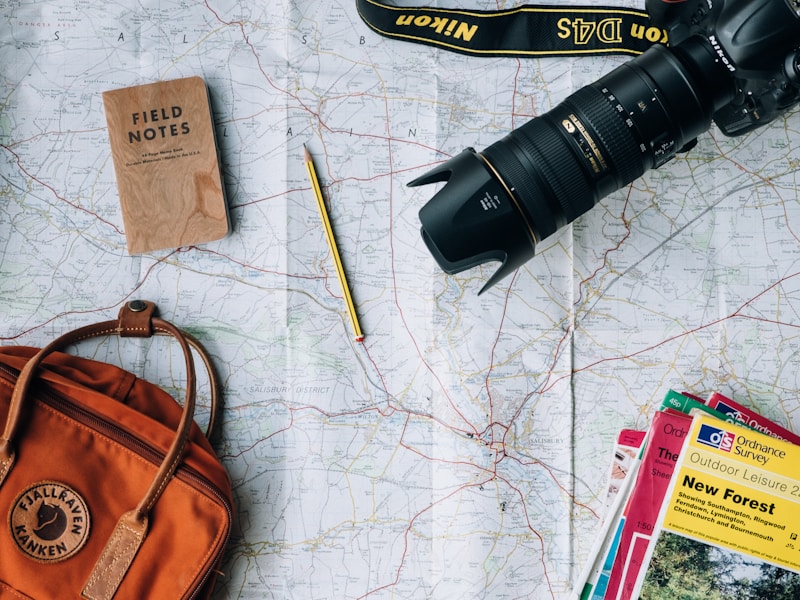
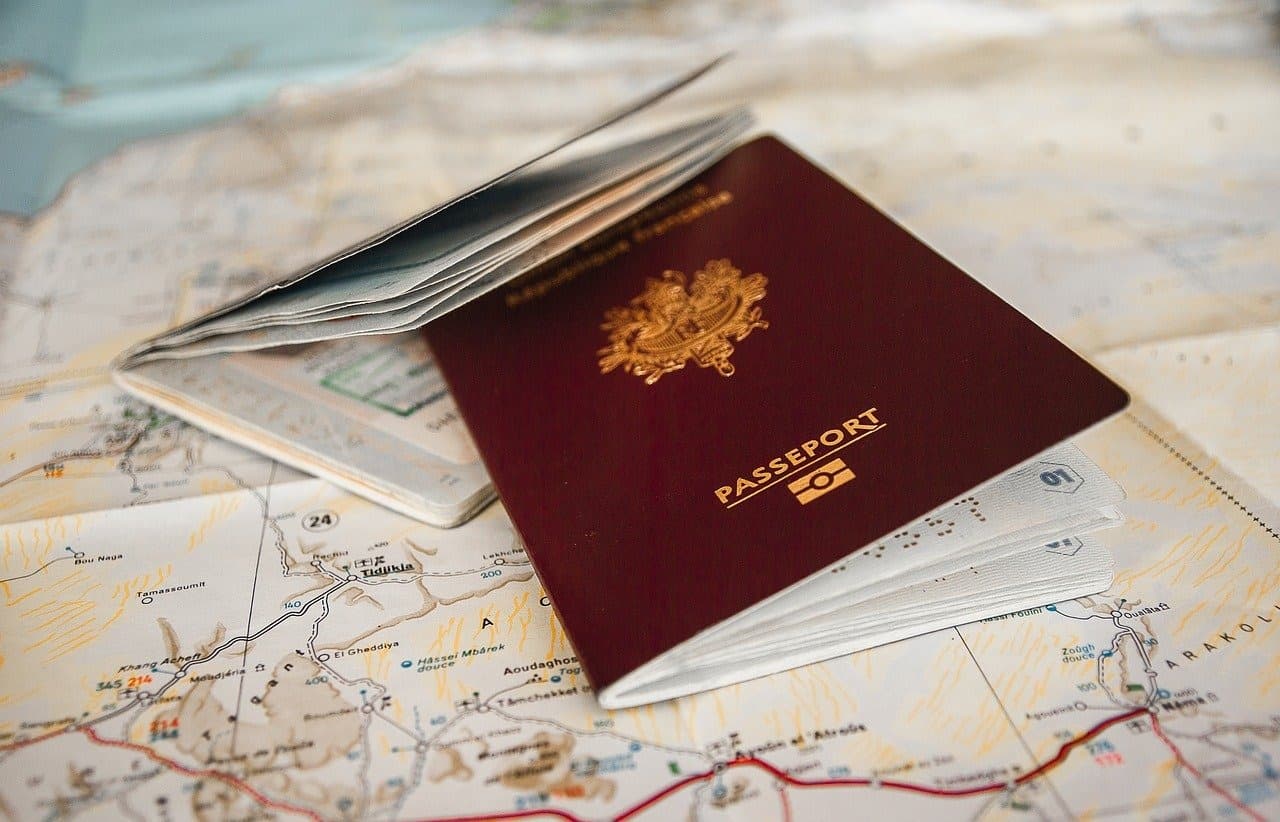
Identity card or passport for EU citizens, ETIAS for others, travel insurance and documents to arrange before departing for Italy.
3 articles
Budget
Euro, widespread card payments, daily budget range per person by region, tipping not mandatory, fee-free withdrawals depending on your bank.
Climate Season
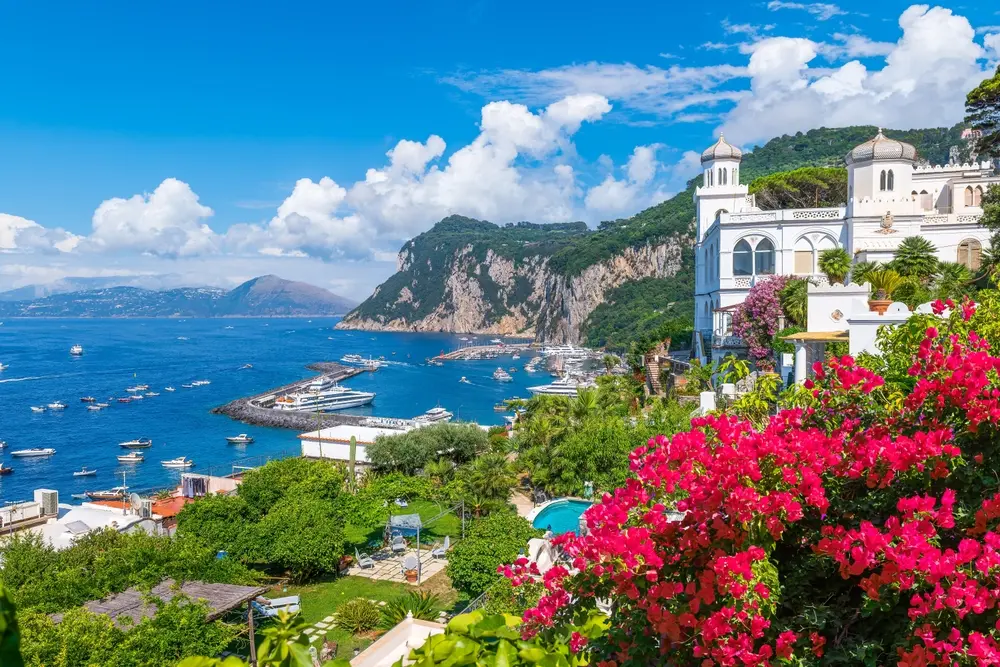
Cold winters in the north, scorching summers in the south, ideal mid-seasons from April to June then September-October, alpine and southern particularities.
1 article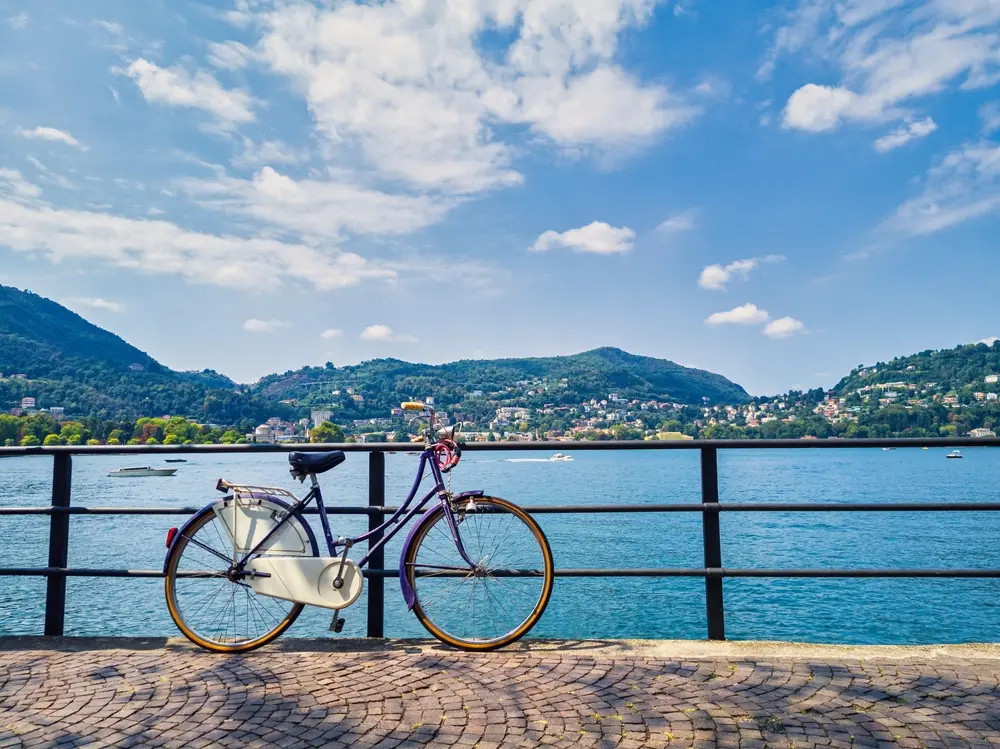
Transports
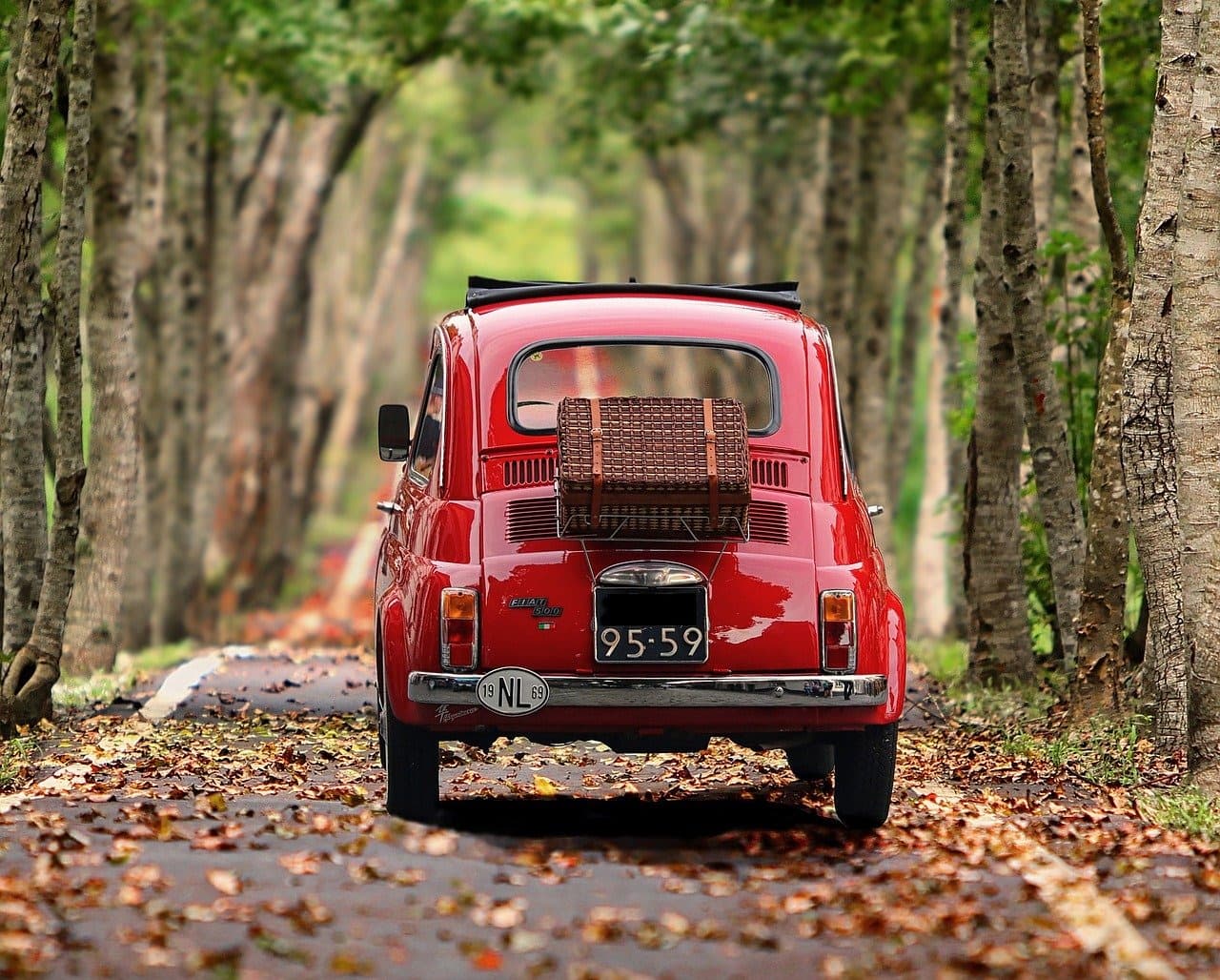
Trenitalia and Italo trains between major cities, car essential in Tuscany, Puglia, Sicily, Sardinia, watch out for urban ZTLs.
2 articles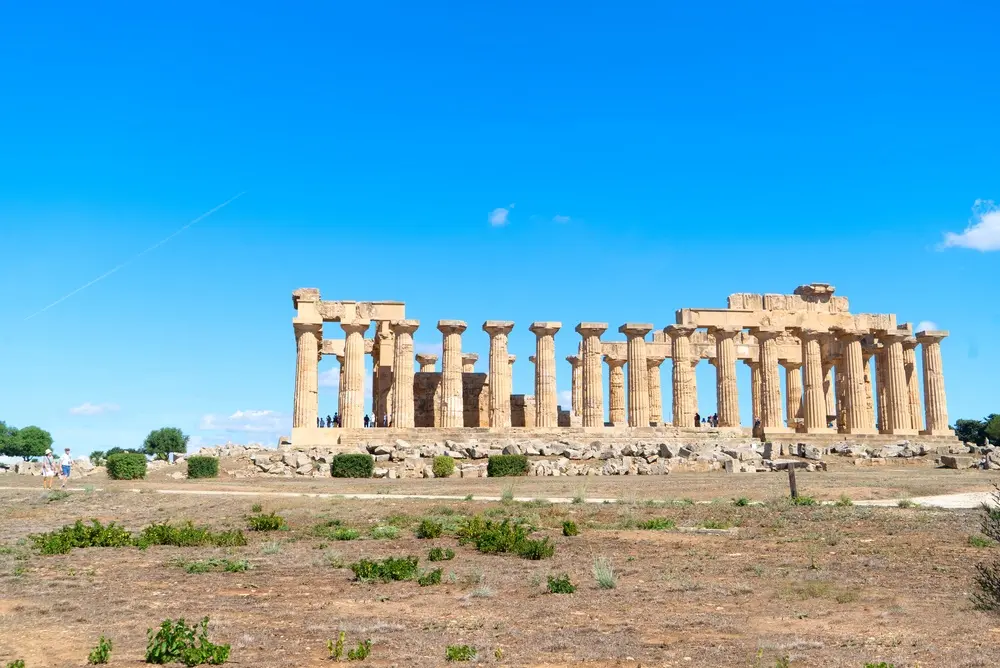
Culture
Dress codes, covered attire in churches, siesta hours, regional greetings, etiquette in trattorias and markets.

Useful Tips
Drinking tap water, F and L type outlets, excellent mobile coverage, pickpockets in train stations, practical advice from our Rome team.
1 articleAll practical guides
Search and filter among 7 articles
7 of 7 results
Frequently asked questions
The answers to the most frequently asked questions from our travellers.
Italy is part of the Schengen area. For French, Belgian, Swiss and Luxembourgish nationals, a valid national identity card or passport is sufficient for a tourist stay of less than 90 days, with no visa required. Canadians also enter visa-free for 90 days within a 180-day period, upon presentation of a valid passport. From the planned implementation of ETIAS, non-EU travelers will need to obtain this electronic authorization online before departure, for approximately €7. We systematically recommend that your passport be valid for at least three months after your return date, even for EU nationals traveling with their passport rather than their identity card.
No vaccines are required to enter Italy. Our team simply recommends being up to date with universal vaccinations: diphtheria-tetanus-poliomyelitis, whooping cough, MMR, hepatitis B. A vaccination against hepatitis A can be discussed with your doctor if you plan extended stays in rural areas of the south. There is no risk of malaria, dengue or yellow fever on Italian territory. Tap water is safe to drink throughout the country, including in Sicily and Sardinia, unless otherwise indicated. We recommend purchasing travel insurance covering medical expenses: the European Health Insurance Card remains useful for EU citizens and allows access to the Italian healthcare system under the same conditions as locals.
Budget between €110 and €180 per day and per person for a comfortable trip excluding international flights, with 3 or 4-star accommodation included. Major cities cost more: in Venice and on the Amalfi Coast during high season, a 4-star hotel exceeds €250 per night. As a guide, a coffee at the counter costs €1.20, a pizza at a good pizzeria €9 to €14, a meal in a trattoria €30 to €45 per person with a glass of wine. Car rental runs €35–55 per day excluding fuel. High-speed trains Rome–Florence or Milan–Venice range from €30 to €80 depending on how far in advance you book. Major museums typically charge €15 to €25 for entry.
April, May, June, September and October offer the most favorable balance: temperatures between 18 and 28 °C, long days, and sustainable visitor levels. July and August concentrate intense heat in the south, with peaks of 38-40 °C in Puglia, Sicily and the Po Valley, and partial business closures around August 15th. Winter suits Rome, Florence and Venice for crowd-free museums, as well as the Dolomites for skiing between December and March. Sardinia and the Aeolian Islands are best discovered from late May to early October. Our team in Rome recommends booking accommodation several months in advance for May-June and September, which have become the busiest seasons.
Train remains the most efficient way to travel between major cities: Trenitalia and Italo serve the Turin-Milan-Bologna-Florence-Rome-Naples corridor at 250-300 km/h, with journeys under three hours between Rome and Milan. Tickets purchased three to four weeks in advance often cost under €40. A car becomes essential for rural Tuscany, Umbria, Puglia, Sicily, Sardinia, and the Dolomites. Be aware of ZTLs, limited traffic zones present in almost all historic city centers: non-residents are prohibited from driving in them and automatic fines are frequent. Our English-speaking team systematically provides ZTL mapping and negotiates access when your hotel is located within the restricted area.
Italy ranks among Europe's safest destinations for travelers. The main risk remains pickpocketing on urban transport in Rome, Naples, Milan and Florence, particularly on buses 64 and 40 in Rome, Naples metro and around Termini station. We advise against wearing backpacks in crowds and recommend keeping your passport in your hotel safe. Driving in Naples and Sicily requires concentration: frequent honking and traffic rules often disregarded. Rural regions—the Dolomites, Tuscany, Umbria, Puglia, Sardinia—are remarkably peaceful. In case of any issues, dial 112 for all emergency services, and our Rome office remains available 24/7 throughout your trip.
Ready to travel to in Italy?
Discover our tailor-made itineraries, designed by our local team. Each route adapts to your pace, your preferences and your travel season.
See our toursWe use cookies to improve your experience and measure our site's audience. You can choose what you accept. Learn more.