Packing checklist for a trekking trip in the Dolomites
Located in South Tyrol, in the northern Italian Alps, the Dolomites mountain range offers some of Italy's most picturesque landscapes.
Located in South Tyrol, in the northern Italian Alps, the Dolomites mountain range offers some of Italy's most picturesque landscapes. Comprising 18 peaks over 3,000 meters, the Dolomites make an excellent playground for hikers. Ready for adventure? Discover the complete checklist of gear to prepare for a trekking trip in the Dolomites.
What gear do you need for a trekking trip in the Dolomites?

Clothing
Although summers are mild in the Dolomites, we recommend packing warm clothing for cool evenings at high altitude. Regardless of the season, you can follow the three-layer method, which allows you to add or remove layers as needed while maintaining proper temperature regulation.
Here's the list of clothing to pack for a trip to the Dolomites:
Technical underwear: designed to wick moisture and dry quickly, keeping you dry and preventing skin irritation;
A thermal base layer shirt (the first layer): typically made from merino wool or synthetic fibers, this type of shirt is designed to wick moisture, dry quickly, and retain heat. It's ideal for staying warm despite perspiration. Avoid cotton models, as they remain damp and intensify the sensation of cold.
A fleece jacket (the middle layer): this layer should insulate you from the cold. If you're traveling in summer, you won't always wear it, so a lightweight model like Powerstretch is preferable. If traveling in winter, choose a warm option such as merino wool fleece.
An outer jacket (the third layer): this final layer should protect you from cold and bad weather. You can opt for a waterproof and breathable GORE-TEX jacket. In winter, we recommend an ultrashell jacket, especially if you plan to summit peaks or go mountaineering.
Hiking pants: choose lightweight and comfortable pants for a summer trip to the Dolomites. You can also pack shorts for warmer temperatures. Select thicker, heavier pants for winter. You can also add fleece tights to wear while sleeping or to layer under your pants in very cold conditions. In both cases (summer and winter), prioritize waterproof and breathable pants like GORE-TEX models.
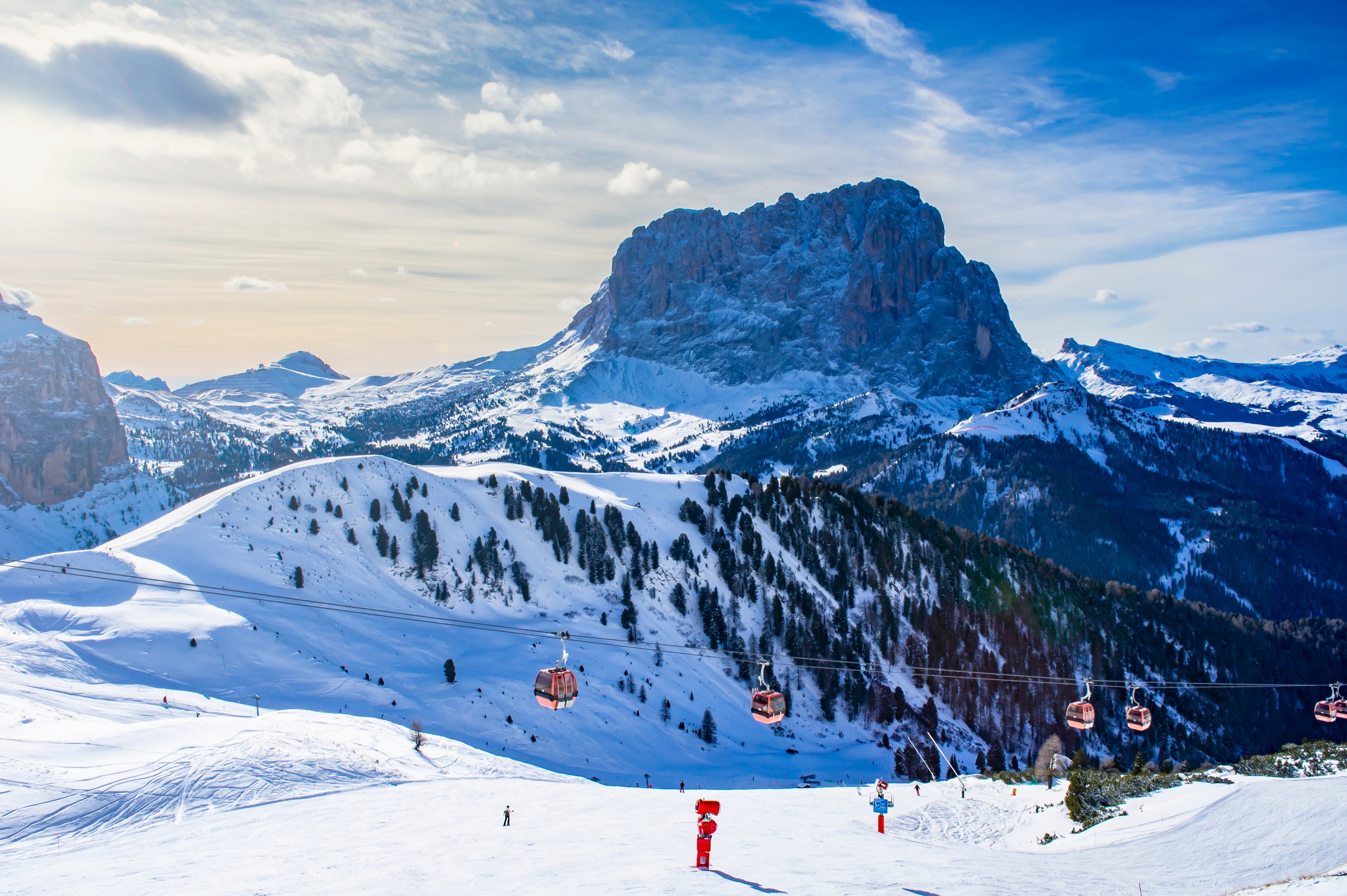
As a reminder, the Dolomites are home to some of Italy's best ski resorts. You can pack your ski clothes if you plan to enjoy winter sports.
Footwear
If there's one element you absolutely must not neglect during a trip to the Dolomites, it's your shoes. Choose hiking boots that offer good ankle support with a robust, grippy sole to ensure comfort and safety. We recommend buying your shoes several months in advance to break them in.
If you're traveling to the Dolomites in summer, you can also pack sandals or flip-flops to air your feet in the evening or during breaks.
What about socks?
Often overlooked by hikers, socks are essential! For foot comfort, to prevent blisters and to wick away sweat, it's recommended to choose socks made from merino wool or synthetic fibers for mountain use.
Your backpack
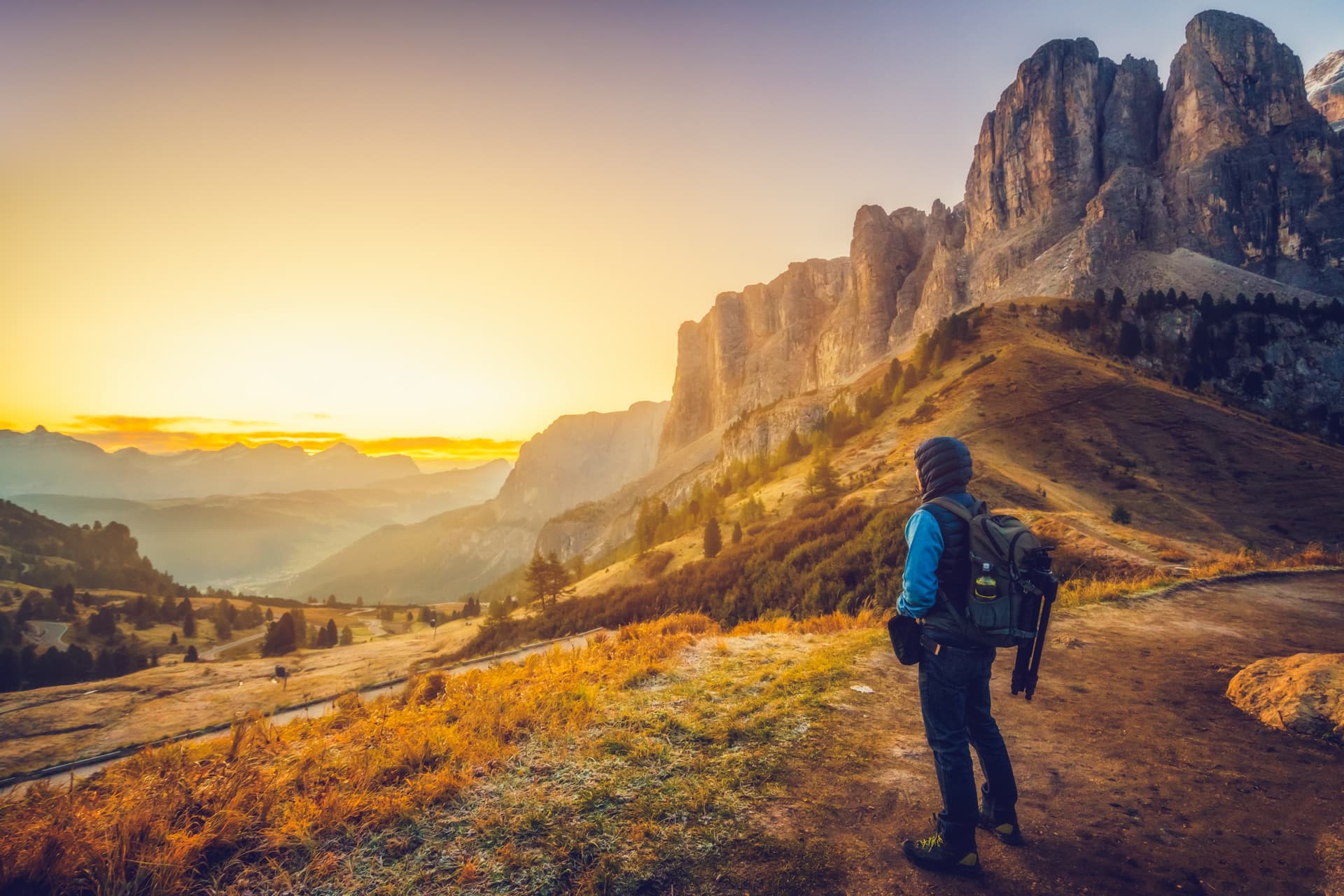
To carry all your belongings, you need a backpack that's as comfortable and sturdy as possible. Make sure to choose an adjustable backpack with straps to maintain load balance. It should be suited to your body type (male or female, height, weight, etc.). Also choose a lightweight backpack to minimize your total load.
Regarding capacity, a 30/40 liter hiking backpack is generally recommended for day hikes and treks. If you plan to walk for several days and intend to camp, you'll need more volume. Opt for a 50/60 liter pack instead.
Good to know:
In general, the total weight of a hiking backpack should not exceed 15% of the wearer's body weight (for adults).
Final tip: remember to pack a backpack rain cover to protect your pack from rain.
Accessories
Beyond clothing, footwear, and backpack, here are all the hiking accessories you shouldn't forget on your gear list:
Sunglasses (category 4 preferably);
Sunscreen with at least SPF 50 (summer and winter);
A cap to protect your head from UV rays (in case of wind, you can opt for a headband);
A beanie and neck gaiter to protect your head and stay warm in winter;
A water bottle or hydration bladder with a minimum capacity of 1.5 liters. You can also pack an insulated water bottle to enjoy warm drinks in winter;
Water purification tablets or a filtered water bottle to never run out of water;
Trekking poles;
A towel;
A toiletry bag with essentials to keep your pack light: consider a washcloth if you won't have access to a shower, all-purpose soap (body and hair), toothbrush, toothpaste, comb, solid deodorant, lip balm;
Cooking utensils (multi-tool, camp stove, etc.) if you plan to eat in the wilderness;
Zippered freezer bags useful for storing food, wet clothes, or as a trash bag;
Spare shoelaces;
A lighter;
A headlamp with spare batteries;
Toilet paper.
What food should you pack for hiking in the Dolomites?
To stay energized throughout the day and avoid energy crashes, be sure to bring energizing snacks. Think protein bars, dried fruits, and nuts like almonds and walnuts. You can also pack electrolyte supplements for water. If you're camping, plan for dehydrated and freeze-dried food that's easy and lightweight to carry.
Safety gear
As with any mountain expedition, safety should be your top priority. To achieve this, here's the list of gear to always keep with you:
A first aid kit: this should include essentials such as disinfectant, bandages, sterile compresses, medical tape, elastic wrap, small scissors, an emergency blanket (lightweight), and basic medications (painkillers, anti-inflammatories, antibiotics...);
Topographic maps of the region, a GPS device, or a compass: these are essential for navigation, especially if you're hiking without a guide;
A safety whistle to signal your presence in an emergency;
A fully charged mobile phone and external battery to call for help if needed.
Note: Before heading out on an expedition in the Dolomites, always inform someone close to you of your route and your expected departure and arrival times.
What sleeping equipment do you need for the Dolomites?

Here's the list of essential equipment for sleeping in the Dolomites, whether you plan to sleep in a mountain hut or camp:
Camping gear
While some expeditions provide the necessary camping equipment, others don't always allow it. In that case, you'll need:
A tent: choose a lightweight, durable tent that's easy to transport. While "three-season" tents are sufficient for summer trips, prioritize a "four-season" model for a winter expedition;
A ground mat: this helps insulate you from the cold ground. Note that some tent models come with integrated ground mats;
A sleeping bag: this should be suited to the season. Opt for a "three-season" down bag with comfort temperatures between -5 and +5°C for a summer and spring trip, and choose a model with comfort temperatures between -15 and -20°C for a winter trip;
A silk liner: also called a sleeping sheet or bivvy liner, it ensures the hygiene of your sleeping bag. It can also add an extra layer in winter or be used alone in very hot weather;
An inflatable pillow: if you have a little space left in your backpack and comfort is truly important to you, you can pack a small inflatable pillow.
Equipment for sleeping in a mountain hut
If you plan to sleep in a mountain refuge, you'll only need a sleeping sheet liner that you can slip on before using the hut's blankets. You can also pack earplugs and a sleep mask if you're a light sleeper and will be sharing rooms with other guests.
Do you have questions about what type of gear to pack? Worried you'll forget something? Or concerned you're bringing too much? By traveling with Nomadays, you can get expert advice to prepare your hiking pack before your departure. Don't hesitate to contact us!
Frequently asked questions
The best time for hiking in the Dolomites is between June and September, when trails are clear of snow and mountain huts are open. July and August offer the most favorable conditions, though trails may be more crowded. Spring (May-June) and autumn (September-October) are ideal for avoiding crowds while enjoying spectacular scenery.
A guide is not required for most marked trails in the Dolomites. However, for via ferratas, peak ascents, or off-trail routes, it's strongly recommended to hire a certified mountain guide. For beginner hikers, a guide also allows you to discover the best trails safely.
Camping in the Dolomites is subject to strict regulations. Within the Dolomites Natural Park, wild camping is generally prohibited or heavily regulated. It's permitted in certain specific areas, under conditions (setup after 8 PM, departure before 8 AM, no fires). It's advisable to check with local authorities before planning a camping trip.
For a day hike in the Dolomites, a 30 to 40 liter backpack is generally sufficient. For a multi-day trek with nights in huts, plan for 40 to 50 liters. If you're planning to camp with a tent and sleeping gear, opt for a 50 to 65 liter pack. In all cases, make sure not to exceed 15% of your body weight.
For hiking in the Dolomites, it's recommended to choose hiking boots with good ankle support, featuring a robust and non-slip Vibram sole. For via ferratas, stiff shoes are preferable. Plan to buy your shoes several weeks in advance to break them in and adjust them to your feet before departure.