Cappella del Barolo.
Cappella del Barolo.
Located 2 km from La Morra, Cappella del Barolo is an agricultural chapel transformed in 1999 into a work of art by Sol LeWitt and David Tremlett, surrounded by vines.
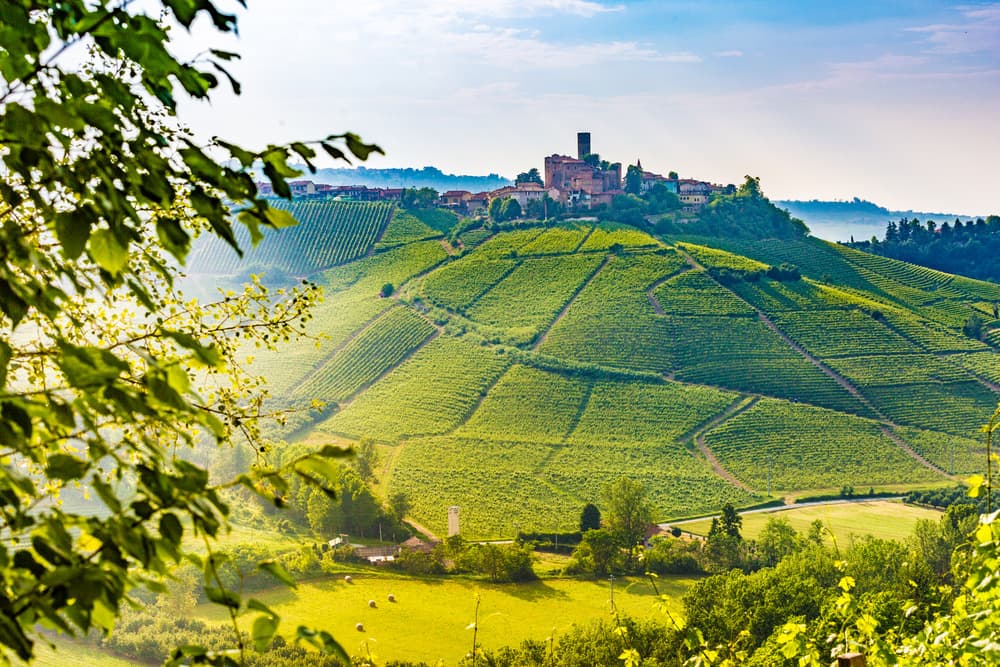
Some 2 km south of La Morra, amid the Barolo vineyards, stands a small chapel with vibrant multicolored façades that stands out strikingly against the vineyard landscape of the Langhe hills. The Cappella del Barolo, officially known as the Chapel of the Most Holy Madonna of Grace, is no ordinary place of worship: since 1999, it has become a work of art in its own right, created by two major figures in contemporary art.
Why visit Cappella del Barolo
The chapel brings together three compelling reasons to visit in a single location, making it well worth the detour during a stay in Piedmont:
- A work of conceptual art by American Sol LeWitt (exterior) and British David Tremlett (interior), two internationally acclaimed artists.
- A vantage point over the Barolo vineyards, designated as a UNESCO World Heritage site within Piedmont's wine landscapes.
- Free and open access, set in nature, away from overcrowded tourist circuits.
The building is modest in size: allow 20 to 30 minutes on site, longer if you extend your visit with a walk through the vineyards.
History: from agricultural shelter to contemporary artwork
The chapel's original construction dates to the 19th century. Built by local farmers, it served as shelter from rain during vineyard work and as temporary storage for harvests. Never formally consecrated, it gradually fell into disrepair.
In the 1990s, the Ceretto family, vintners and hoteliers based in Alba, who owned the surrounding vineyards, decided to rehabilitate the building. Rather than simply restore it, they entrusted the project to two artists: Sol LeWitt, a key figure in American conceptual and minimalist art, took on the exterior envelope; David Tremlett, a British painter known for his wall interventions, treated the interior. The work was completed in 1999. The chapel has never since been reconsecrated: it remains freely accessible as a work of art.
What to see
The exterior by Sol LeWitt
LeWitt covered the façades with bold expanses of vivid colors—red, yellow, blue, green, orange—organized according to a strict geometric framework. The contrast between the rigor of the composition and the intensity of the colors creates a visual effect that stands out from the typical austerity of rural chapels. The roof follows the same logic, making the building easily recognizable from a distance among the vineyard rows.
The interior by David Tremlett
The atmosphere inside is gentler. Tremlett applied compositions of pastel tones and lines directly onto the walls using his characteristic technique of hand-rubbed dry pastels. The light shifts throughout the day, altering the perception of the colors. The space, very intimate, can be explored in just a few minutes.
Practical information
- Access: free and open to all, outdoors. The interior is generally visible during daylight hours, subject to availability.
- Duration of visit: 20 to 45 minutes, longer if you combine it with a walk through the vineyards.
- What to wear: closed-toe shoes recommended, the path crosses agricultural plots.
- Respecting the site: the surrounding vineyards are privately owned and actively farmed, please stay on designated paths.
Best time to visit
The Langhe vineyards offer very different atmospheres depending on the season. Spring and early summer showcase the vines in full foliage. The most photogenic period is autumn, when leaves turn red and gold, particularly in September-October, which also coincides with the nebbiolo harvest (the grape variety used for Barolo). In winter, the bare rows provide greater contrast, making the chapel stand out even more in the landscape.
Getting there
The chapel is located about 2 km south of the center of La Morra (approximately 2,700 inhabitants), in the province of Cuneo.
- From La Morra: on foot, via the vineyard trail descending from the village center (allow 30 minutes of walking, moderate elevation change).
- From Alba: approximately 15 km, or 20 to 25 minutes by car through the Langhe roads.
- From Turin: approximately 1 hour south by the A6 motorway, then secondary roads. A car is the most practical option, as public transportation is limited in wine-growing villages.
Nearby attractions
Cappella del Barolo fits naturally into a broader exploration of the Langhe, a region renowned for its wine and gastronomy:
- Barolo: the village that gives its name to the appellation, featuring its castle and wine museum (WiMu).
- Alba: the gastronomic capital of the Langhe, celebrated for its white truffles in autumn.
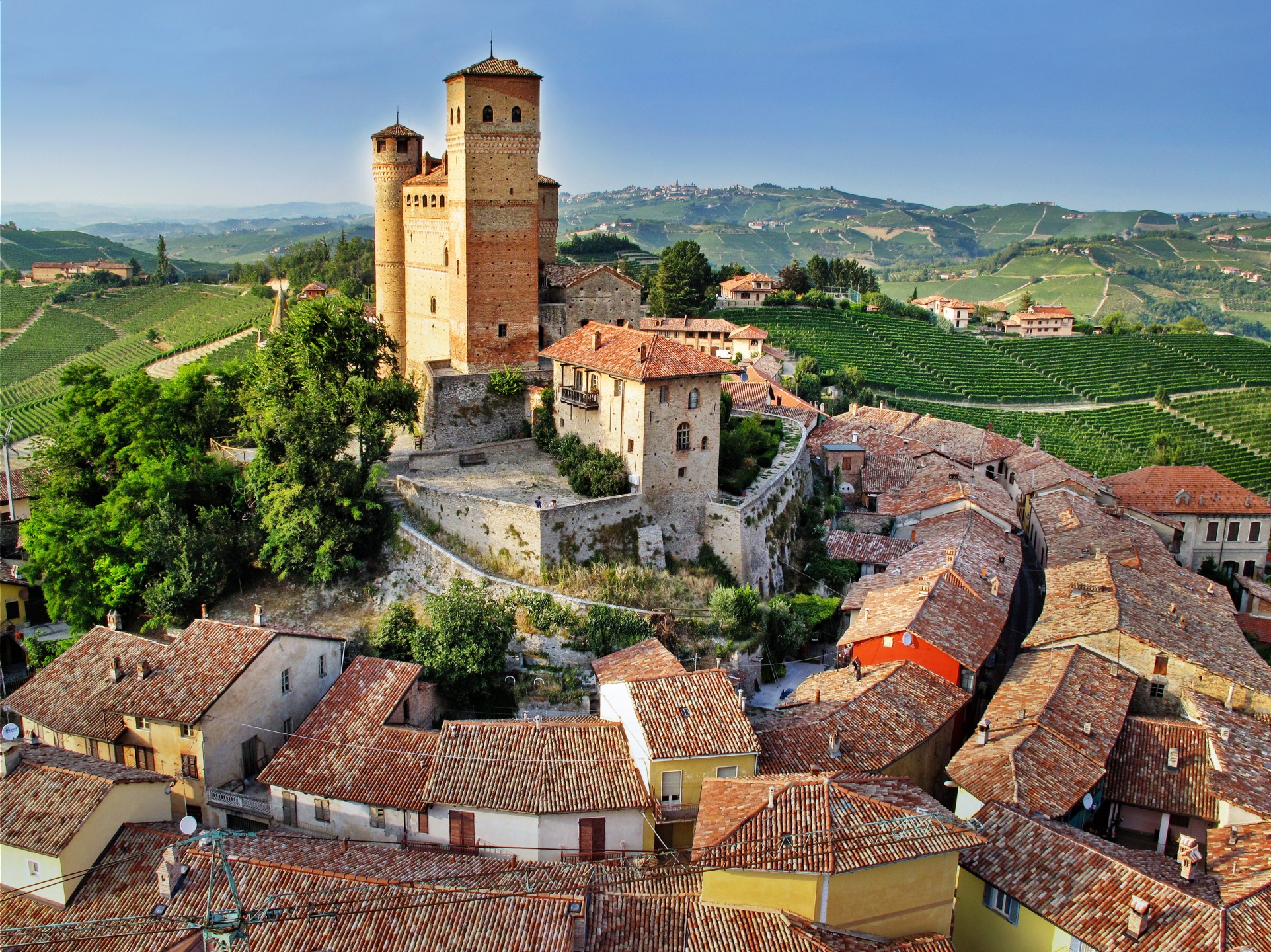
- Other Barolo communes: Monforte d'Alba, Serralunga d'Alba, Castiglione Falletto, which complete a circuit through UNESCO-listed wine landscapes.
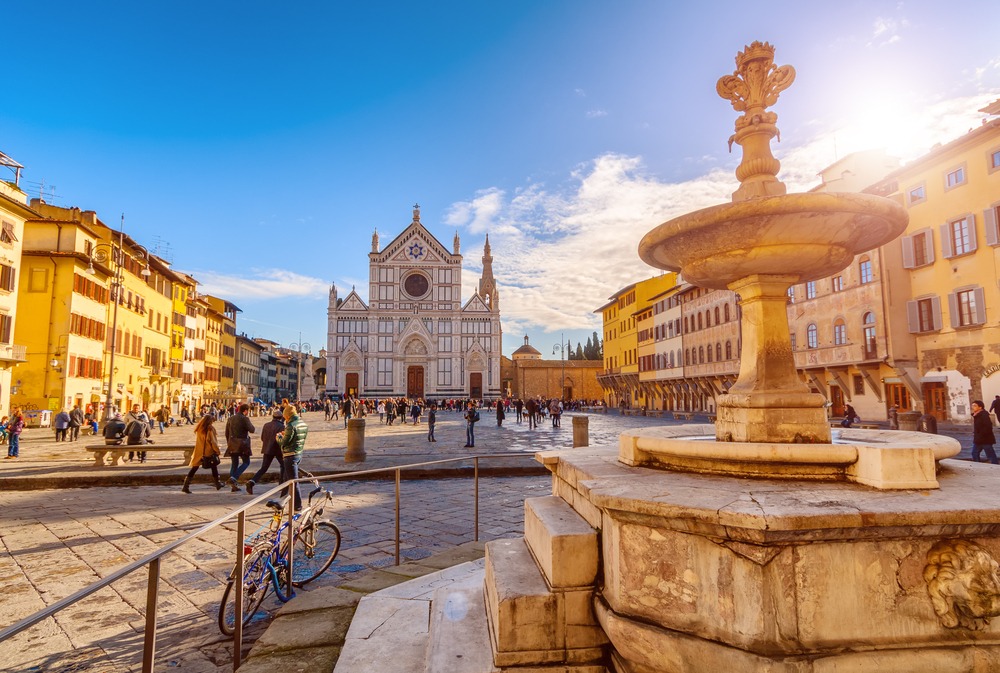
- To extend your stay in Italy, you can also explore our guide to the Basilica of Santa Croce.
Planning your trip
Cappella del Barolo fits seamlessly into an itinerary focused on Piedmont's wine and culinary heritage. To build a comprehensive travel plan, explore our Italy trips.
Interested in this visit?
We can include it in your personalised itinerary.