Zingaro Nature Reserve
Zingaro Nature Reserve
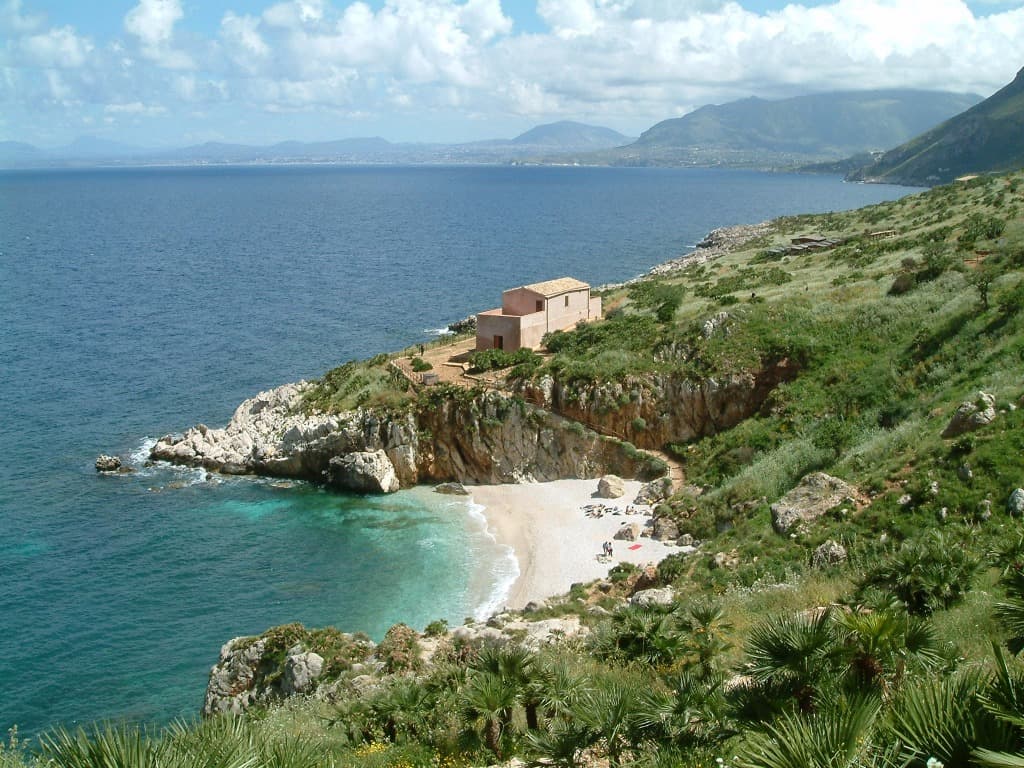
Sicily's first protected wilderness area since 1981, the Zingaro reserve shelters 1,700 hectares of cliffs, white sand coves and Mediterranean maquis between Scopello and San Vito Lo Capo.
On the northwestern coast of Sicily, between Scopello and San Vito Lo Capo, the Zingaro nature reserve protects more than 1,700 hectares of limestone cliffs, white sand coves and Mediterranean maquis. The island's first wilderness area to obtain protected status, in 1981, it is explored on foot via a network of trails and remains inaccessible by car within its boundaries.
Why visit the Zingaro reserve
The site combines two experiences rarely found within the same perimeter: coastal hiking and swimming in preserved coves. The trails wind through dense vegetation of dwarf palms, strawberry trees and wild olives, while the sea remains visible almost constantly. No heavy tourist infrastructure disturbs the landscape: no roads, no restaurants, no kiosks inside the reserve.
Biodiversity is one of the park's principal assets. Ornithologists observe peregrine falcons and golden eagles nesting in the cliffs. On the ground, foxes and gulls complete a fauna adapted to aridity. On the flora side, more than 25 orchid species bloom in spring, making it a favorite destination for botanists.
A reserve born from citizen activism
The territory has been known since antiquity as Cetaria, referring to the tuna that populated the coast. Two tonnaras (traditional tuna fisheries) still bear witness: one at Scopello, the other at Secco. Tuna fishing structured the local economy for centuries before declining in the twentieth century.
The reserve itself owes its existence to an abandoned road project. In the late 1970s, authorities planned to connect Scopello to San Vito Lo Capo via a coastal road. A citizen petition, launched in 1980, halted the project. The Zingaro oriented natural reserve was established in 1981, becoming Sicily's first protected area.
What to see and do
Hiking trails
Three main routes cross the park:
- The coastal trail: approximately 7 km between the two entrances, minimal elevation gain, access to swimming coves.
- The mid-altitude trail: sea panoramas, traverse of maquis and olive groves.
- The high loop: a more challenging route reaching the hinterland, demanding in elevation.
The rocky coves, accessible from the coastal trail, are the main attraction for swimmers. Some, more isolated, can only be reached by boat from Scopello or San Vito Lo Capo ports.
Fauna and flora to observe
- Birds: peregrine falcon, golden eagle, gulls.
- Mammals: foxes, small rodents.
- Emblematic flora: dwarf palm (Chamaerops humilis), reaching up to 3 meters, strawberry trees, junipers, holm oaks, olive groves.
- Wild orchids: more than 25 species recorded, blooming in spring.
Practical information
Park entry is charged at a moderate per-person rate. Opening hours vary by season, with broader access in summer than winter; it is recommended to check opening times in advance on the reserve's official website.
No provisions point exists within the protected perimeter. Plan to bring:
- Sufficient water (minimum 1.5 liters per person in summer).
- Provisions suited to your hike duration.
- Closed-toe shoes for rocky trails.
- A hat and sunscreen: vegetation provides little shade.
Allow a half-day for the coastal trail round trip, a full day for the high loop.
When to visit
The reserve is open year-round. Spring, from April through early June, remains the most interesting period: mild temperatures, orchid blooms, moderate crowds. Summer draws the most visitors, attracted by swimming; trails can become very hot midday. Autumn offers a good compromise between water temperature and fewer crowds. In winter, showers are frequent but landscapes remain accessible to equipped hikers.
How to get there
The park has two entrances:
- South entrance, from Scopello: closest to the most well-known coves. Limited parking, best visited outside peak season.
- North entrance, from San Vito Lo Capo: more parking spaces, direct access to the 7 km coastal trail.
Both entrances are accessible by car via secondary roads from Trapani or Palermo (allow 1 to 1.5 hours travel depending on your starting point). In peak season, maritime shuttles also connect Scopello and San Vito Lo Capo ports to the reserve's coves, a useful option for visitors who prefer swimming to hiking.
In the surrounding area
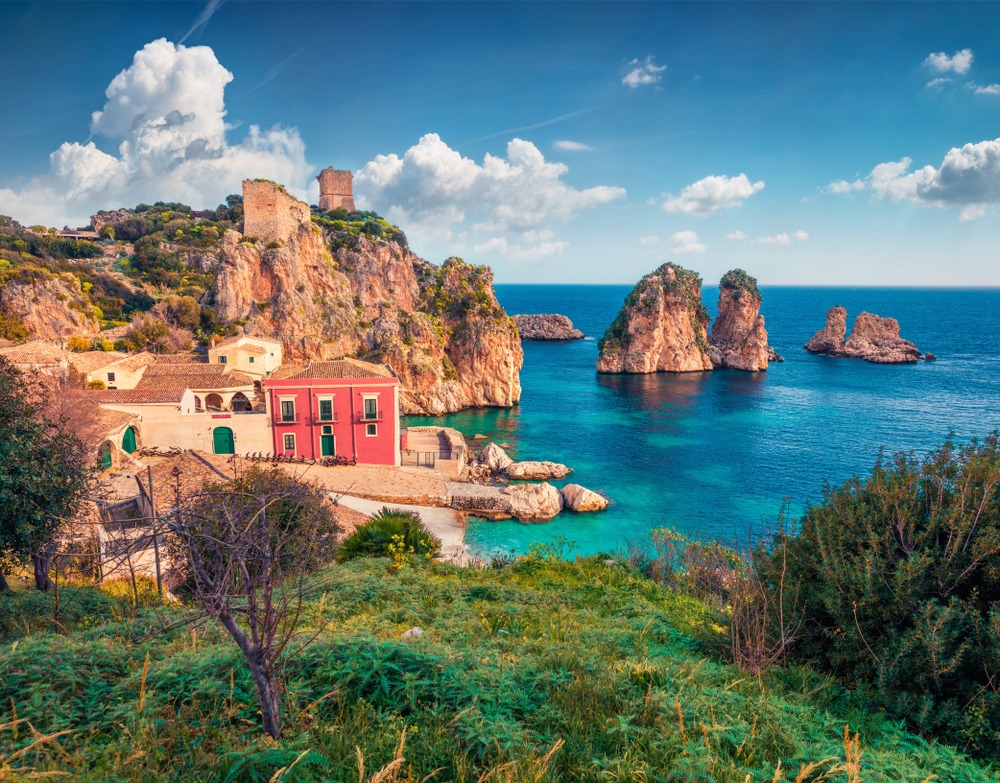
The village of Scopello, at the south entrance, warrants a stop for its historic tonnara and its faraglioni (sea stacks). San Vito Lo Capo, to the north, is known for its long sandy beach and its couscous festival in September. Further east, Castellammare del Golfo offers a bustling port and a medieval castle overlooking the bay. To extend into the mountains, Mount Inici and the Custonaci hinterland offer complementary hiking routes.
Frequently asked questions
Frequently asked questions
To integrate the Zingaro reserve into a broader itinerary across the peninsula, consult our suggestions for travel in Italy.
Interested in this visit?
We can include it in your personalised itinerary.