Alba
Alba
The world capital of white truffles in the heart of UNESCO's Langhe region, Alba blends medieval heritage, great vintages and exceptional Piedmontese dining.
Nestled in the Langhe, Alba has built its reputation on exceptional cuisine, vineyard landscapes and its legendary white truffles. Each year, the international truffle fair draws crowds of visitors from around the world. Here's what you need to know.
Alba, a haven for hiking and gastronomic delights
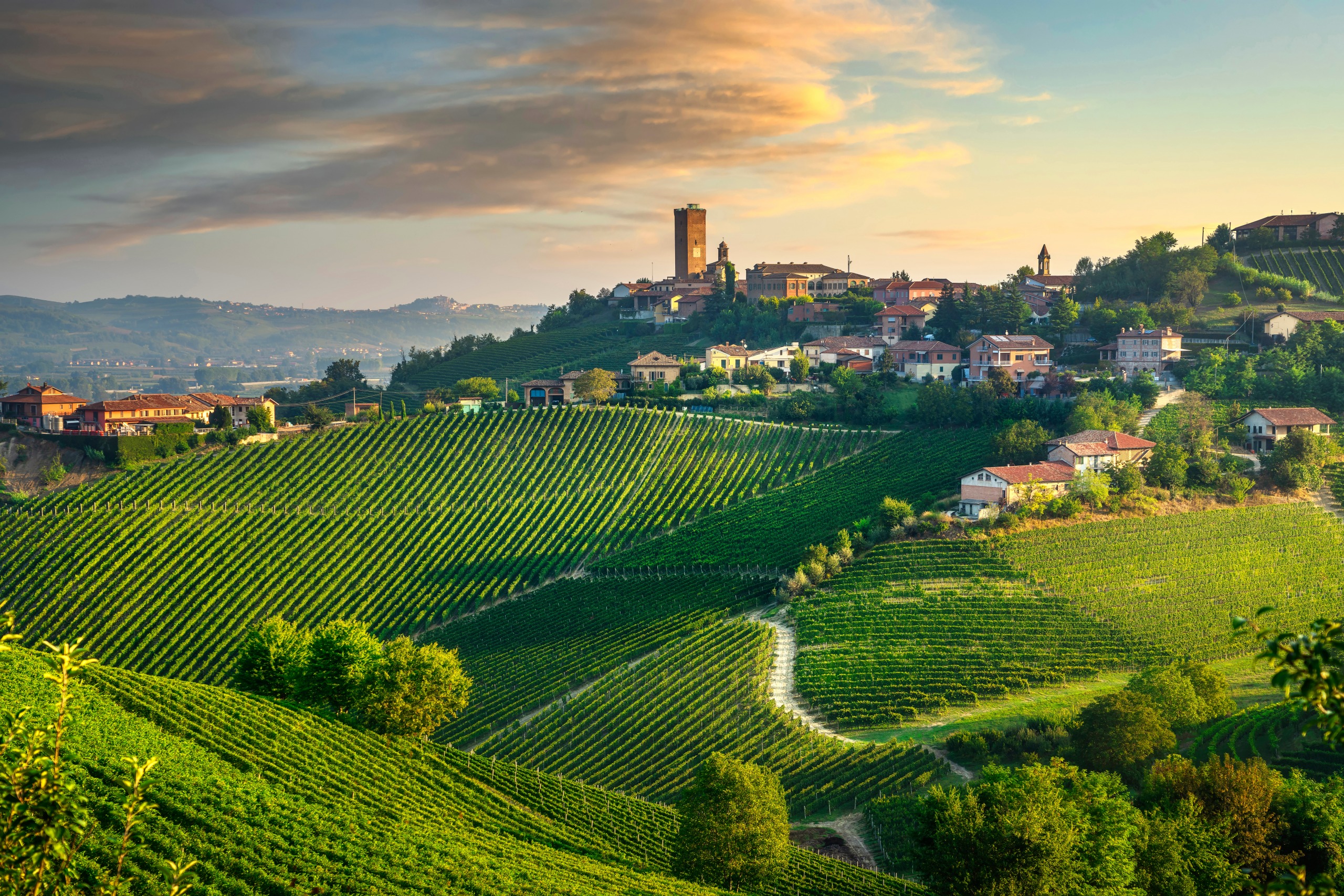
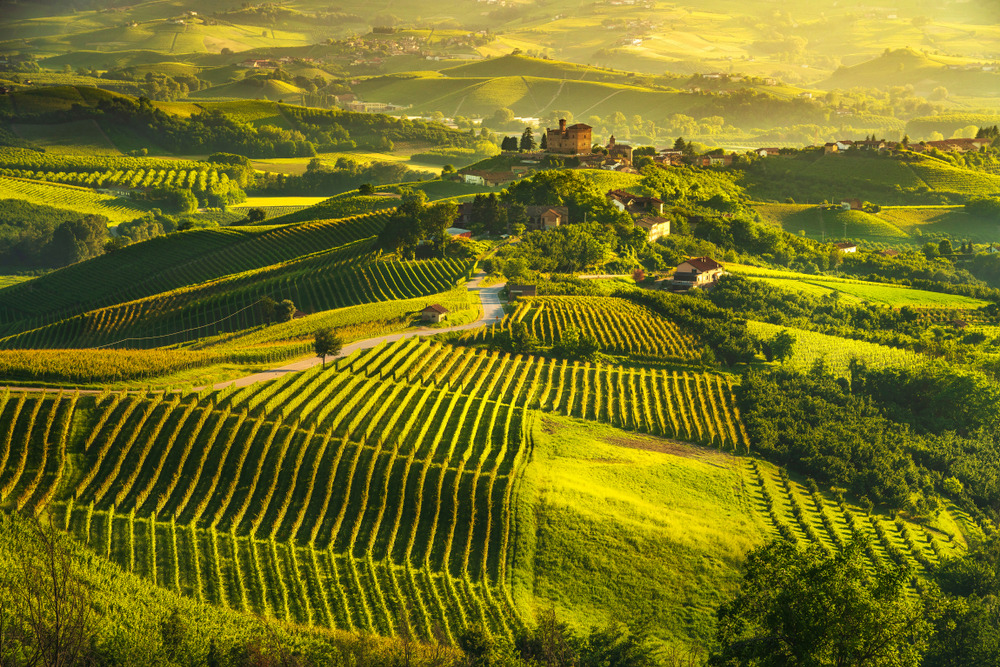
Coming to Alba means discovering the Langhe, a rural region of Piedmont celebrated for its verdant hillsides dotted with olive groves and vineyards. Autumn is the season to visit Alba's hilltop town—when ripening vines blaze in shades of golden orange. Why miss the joy of harvest season accompanied by an unforgettable wine tasting? Yet the jewel of the Langhe has earned its fame above all through white truffle production. Prized by Michelin-starred chefs worldwide, the white truffle is a source of regional pride. Harvesting relies on the expertise of specially trained hunting dogs, and farmers fortunate enough to produce premium-grade truffles command substantial sums. Today, Piedmont's truffle capital remains an irresistible blend of outdoor adventures and culinary experiences. Between restaurant outings, take time to appreciate the medieval architectural treasures scattered throughout. Alba's historic center is brimming with them.
History
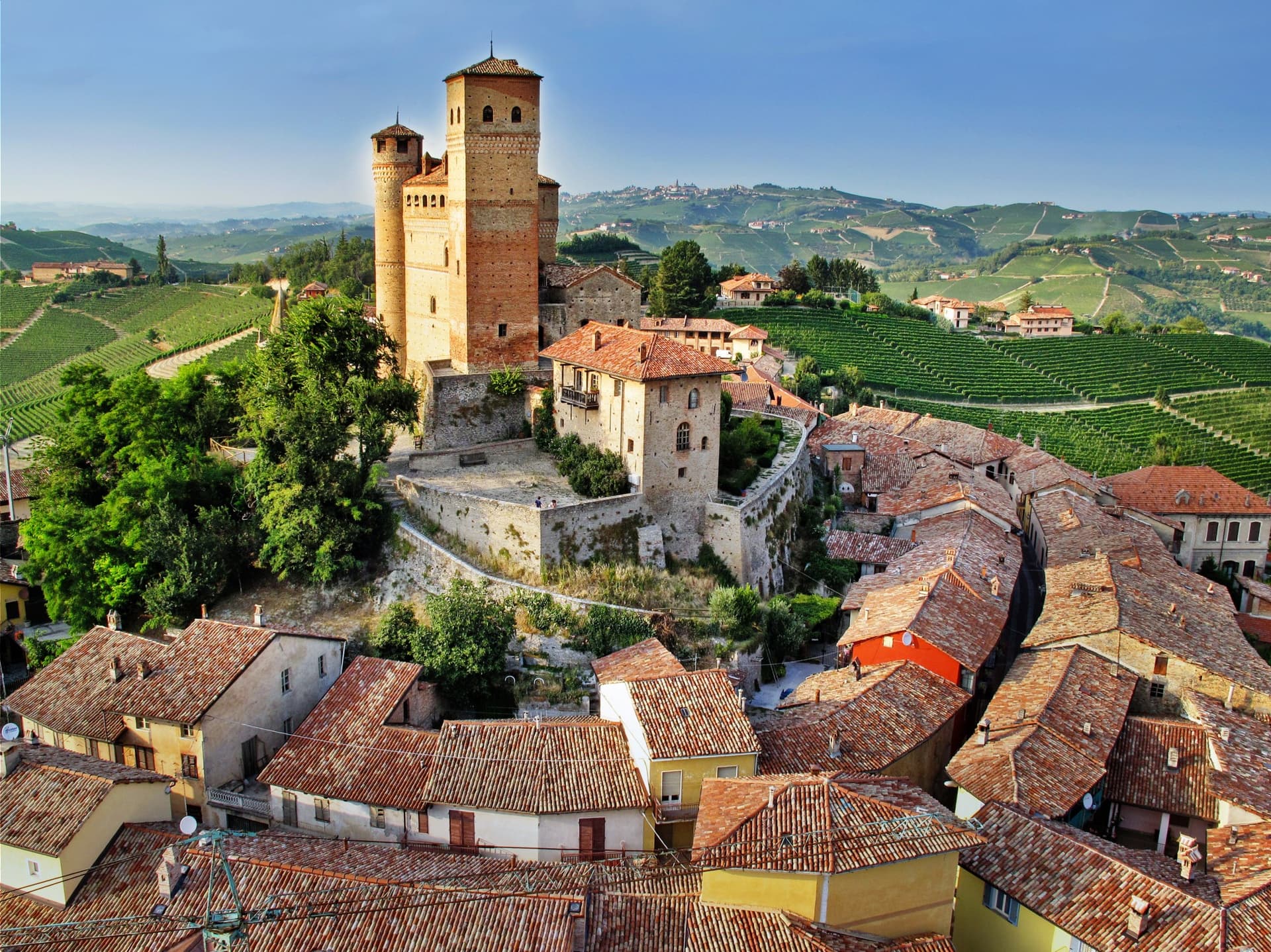
The City of a Hundred Towers… This is what Alba was once called, thanks to the fortified towers that defended its borders during the Middle Ages. The site appeared on Roman road maps under the name Alba Pompei.
Following Rome's fall, Lombard princes, having pushed back the Franks and Byzantines, took control of Alba in the eleventh century. As a city-state, it enjoyed autonomy in managing its own affairs—a clever Lombard strategy to rally Piedmontese territories to their cause during the Holy Roman Empire's threat to northern Italy. The Visconti then ruled the city, followed by fierce battles among the houses of Anjou, Aragon and Savoy.
Winemaking has been woven into Alba's history since the fifth century BC. The royal school of oenology was founded as early as 1881. Initially aimed at mass production, the sector endured painful restructuring after phylloxera devastated the vineyards. Rejecting quantity for quality, winemakers adopted rigorous standards that transformed their wines into world-class products. Barolo, which Louis XIV called the "king of wines and wine of kings,
Attractions in Alba
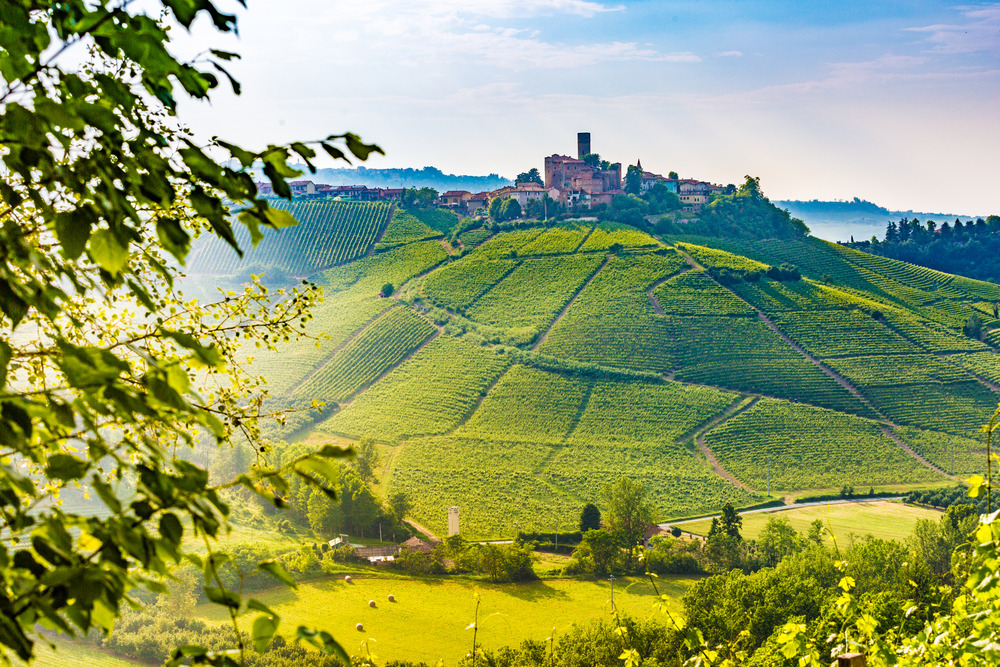
Cappella del Barolo.
À 2 km de La Morra, la Cappella del Barolo est une chapelle agricole transformée en 1999 en œuvre d'art par Sol LeWitt et David Tremlett, au milieu des vignes.
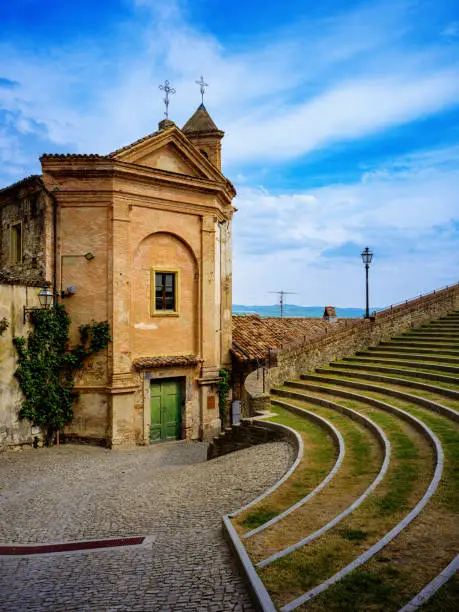
Monforte d'Alba
Village médiéval perché sur les collines des Langhe, Monforte d'Alba domine les vignobles du Barolo classés UNESCO. Tour médiévale, auditorium taillé dans la roche et caves à visiter à 15 km d'Alba.
Want to discover this destination?
Our local advisors design your tailor-made trip.