Camogli
Camogli
Camogli, a Ligurian village with trompe-l'œil facades, is home to the Christ of the Abyss, San Fruttuoso Abbey, and a legendary trail to Portofino.
Camogli is a maritime city in northwestern Italie, in the Liguria region. Blending culture, nautical pleasures, and medieval treasures, it presents itself as a little jewel of the Mediterranean.
If you're heading to Genoa for your next vacation, consider making a detour to the romantic town of Camogli. Nestled in the picturesque Paradiso Gulf, on the Italian Riviera del Levante, this small village in northern Italie asserts itself as a luxury beach resort, with its pleasure marina lined with hotels, restaurants, and trendy bars. You'll visit forts and Romanesque churches, witnesses to Camogli's prestigious past. You'll enjoy sand, beaches, and the sea while catching glimpses of history… The Christ of the Abyss, an incredible statue submerged beneath the waves, will be the unique attraction for divers. Book your plane ticket to Camogli without delay—the pearl of the Ligurian coast.
History
Camogli experienced a long and eventful past before becoming the upscale beach resort it is today. Evidence of human occupation dates back to prehistoric times, including terracotta containers and other utensils dating back approximately 1500 years BC. The origin of the town's name puzzles anthropologists: some believe "Camogli" is linked to the deity Mars, called Camulus or Camolio in the Celtic language; others attribute the city's name to the unfortunate habit of sailors imprisoning their wives in a communal house—"la casa de Moglie"—before setting sail. The site has been inhabited by a fishing community since the 5th century.
During the High Middle Ages, the political scene was dominated by the Lombards, who seized the coastal villages of Liguria, only to be driven out by Charlemagne's forces in turn. Camogli was torn apart by power struggles between wealthy aristocrats of Visconti, Genoa, and Milan. They did not hesitate to sacrifice their subjects' happiness to their appetite for material wealth and military conquest. It was during this dark period that the fortified castle of Dragonara was built to provide safe shelter to inhabitants during raids and enemy incursions.
By the late 16th century, Camogli became a thriving port and commercial city. Drapery, silk, and craftsmanship flourished. Local shipowners received substantial orders for ships and steamships from European governments.
On May 3, 1877, Camogli was officially granted the status of an urban municipality.
Today
The two engines of the economy are fishing and tourism. Camogli is particularly renowned for its salted anchovies, which are processed in factories before being sold in glass jars called "arbanelles." Tuna is also a valuable economic resource, complemented by mackerel, bonito, and greater amberjack. The Camogli fishing cooperative remains active, though fishing has declined considerably in the face of tourism's triumphant rise.
The village of Camogli currently has approximately 5,332 inhabitants spread across 3 districts: San Rocco, Ruta, and San Fruttuoso, famous for its small bay with romantic hues.
What to See and Visit in Camogli
On a trip to Camogli, you'll enjoy extraordinary seaside vacations. On the Riviera del Levante, where art, architecture, and the Mediterranean blend harmoniously into the landscape, discover the incredible Italian dolce vita.
Natural Sites
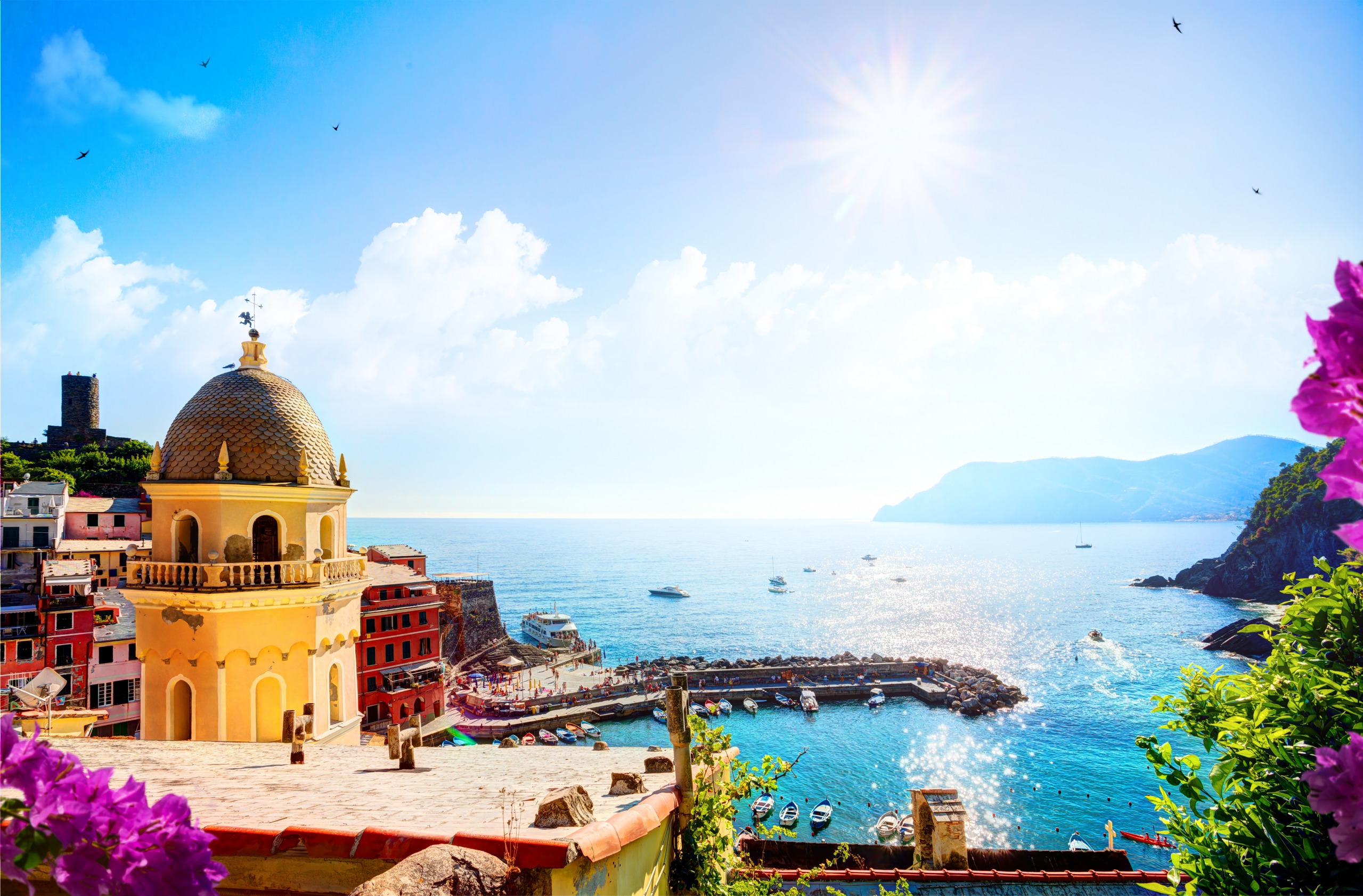
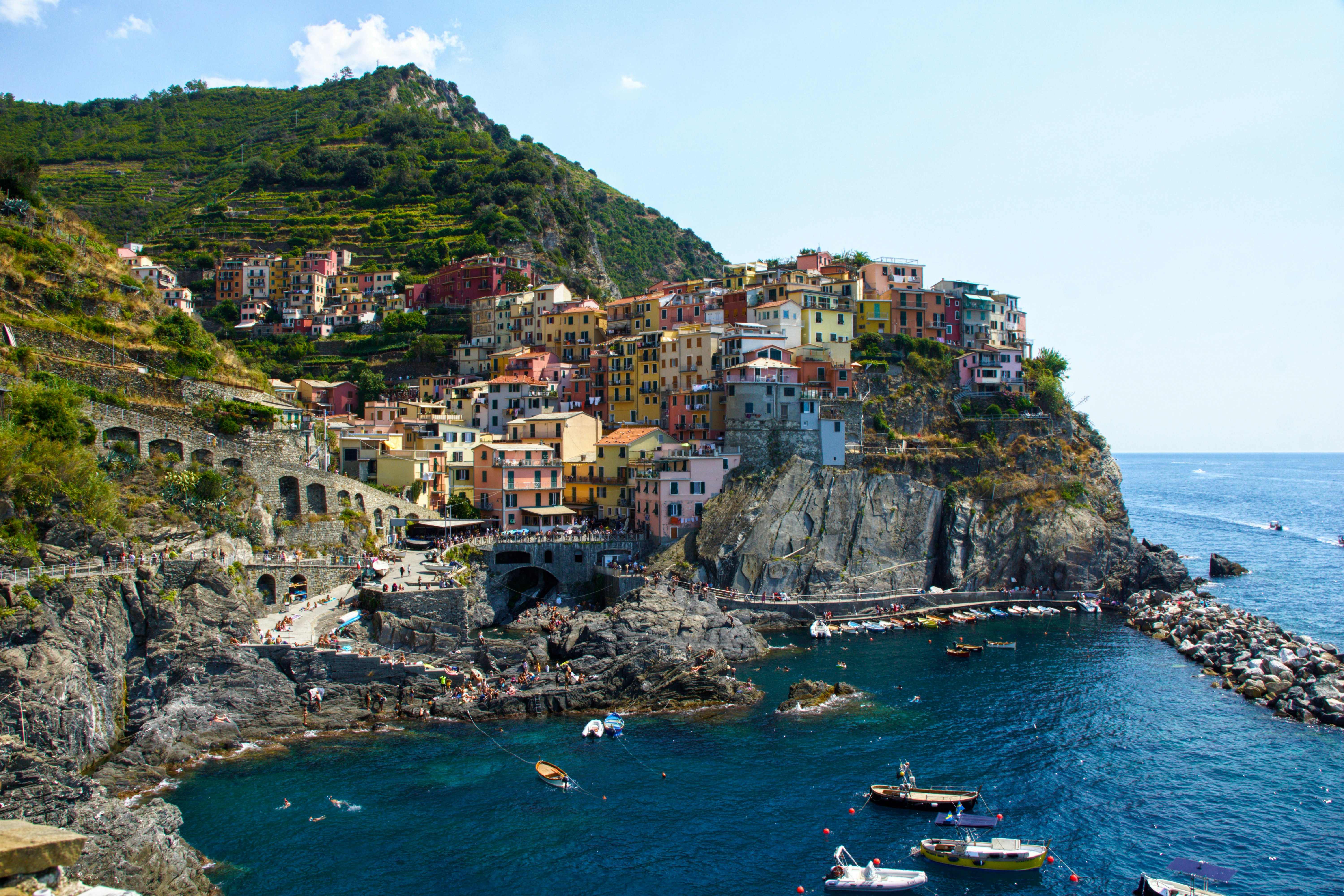
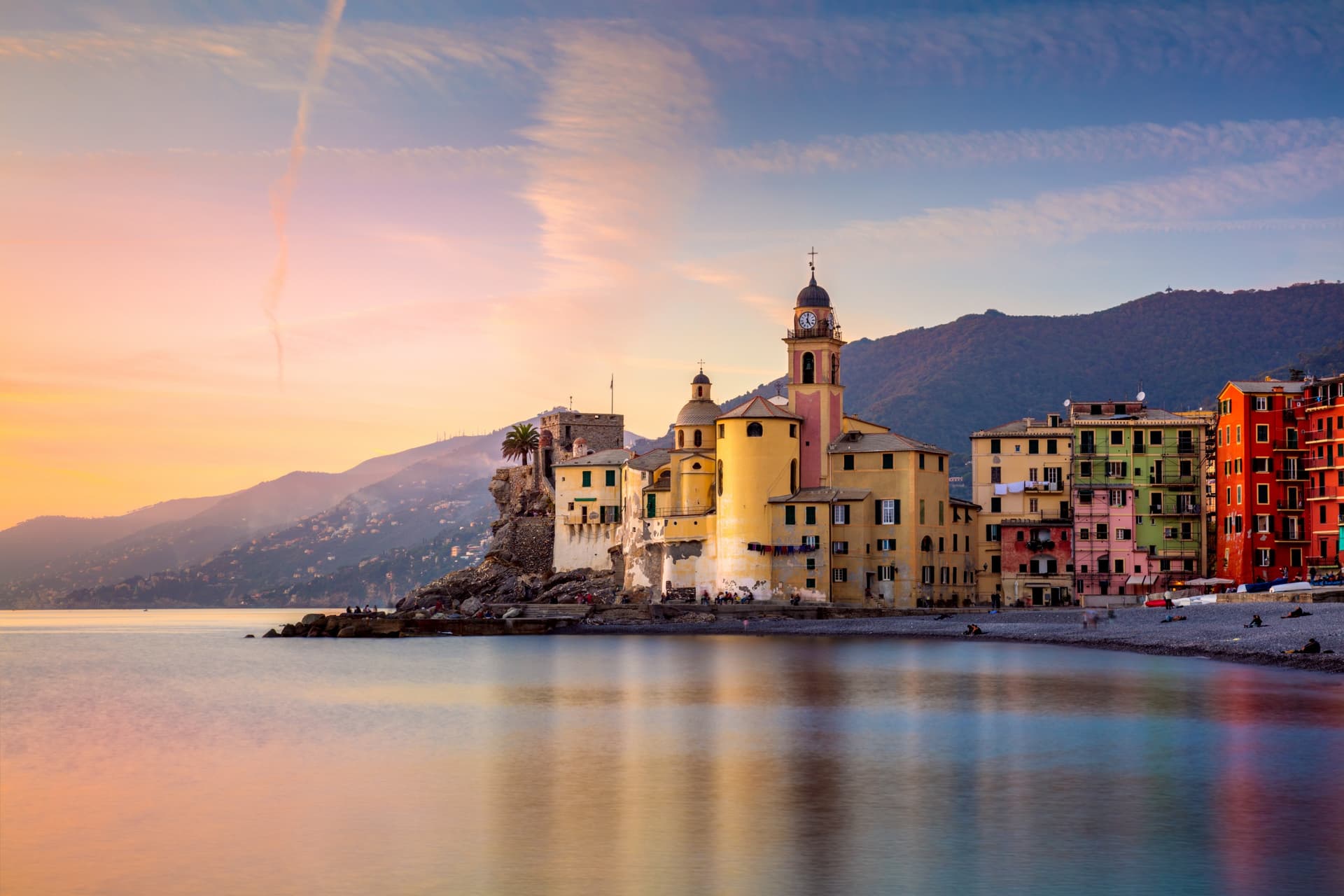
Tourism is primarily focused on nautical activities and seaside pleasures. It's no wonder Camogli is nicknamed "the city of a thousand white sails". Bays, coves, and jagged cliffs create a postcard-perfect setting that rivals the French Côte d'Azur. Brightly colored houses, whose paint once indicated the coastline's proximity to fishermen, line the shoreline.
Bathed in crystal-clear waters, the beaches invite swimming and diving. Use a waterproof camera to film marine creatures in action. Congers, moray eels, and schools of snappers will parade before your eyes. The highlight of diving is discovering the renowned "Christ of the Abyss", a sculptured figure of Jesus Christ resting in the bay of San Fruttuoso. Standing 2.5 meters tall, this remarkable work was created by sculptor Guido Galletti at the request of Duilio Marcante, Italy's pioneering father of diving, in memory of a swimmer. The Messiah is cast in bronze, arms open and stretched toward Heaven, as a blessing upon sailors. Dating from 1954, the Christ of the Abyss is undoubtedly one of Camogli's finest attractions.
Beyond snorkeling, other disciplines such as kayaking, motorboat rides, and paddleboarding are available to travelers. If you're fond of romantic settings, let yourself be captivated by the charming beach villages along the Riviera del Levante, such as Santa Margherita Ligure, Rapallo, or Sestri Levante. For a striking view of this Mediterranean anchorage, take a pleasure cruise departing from Camogli's harbor. It will surely lead you to Portofino, a vacation destination visited by international show business stars.
To combine trekking with seaside pleasures, the Portofino mountain, part of the regional natural park of the same name, is a recommended hiking destination.
Nature lovers will find their fill in the Portofino marine protected area, where gorgonians, coralline formations, and Posidonia seagrass reign supreme.
Historical and Cultural Sites
- Dragonara Castle (in Italian Castle della Dragonara): this imposing 13th-century manor was the theater of medieval wars that pitted Genoese authorities against the Kingdom of Milan and the Visconti Kingdom. Its waterfront location was intentional to keep watch over the pirates who plagued Liguria's shores. Don't miss this emblematic Camogli icon. Even if military architecture doesn't appeal to you, the castle is worth a visit for its magnificent perspective over the Paradiso Gulf.
Remarkable Churches
- The Basilica of Santa Maria Assunta: dating from the High Middle Ages, this magnificent neoclassical basilica is located along the waterfront.
- The parish church of San Rocco: built in 1863 on the ruins of an ancient chapel, the San Rocco sanctuary overlooks the Paradiso Gulf with majestic grandeur. The church's interior is breathtakingly beautiful, housing a high altar executed by Bernardo Schiaffino, which showcases the magnificent canvas of the Virgin by Carlo Dolci.
- The Sanctuary of Our Lady of the Woods: the site was blessed by a miraculous appearance of the Virgin.
Best Time to Visit
Like other beach resorts in Liguria, Camogli's climate is under Mediterranean influence: long, scorching summers alternate with extremely mild and rainy winters. October holds the record for humidity (15 rainy days), while July is the driest month. However, brief showers can occur in summer.
For a flawless stay in Camogli, it is recommended to choose dates during peak summer, between June and mid-September.
For a tourist visit to Camogli, plane, train, and boat are all at your disposal.
The first thing to do is find a flight to Genoa. A handful of airlines, such as KLM, Air France, and Air Austral, operate direct flights from Paris. Other departure destinations include Munich, London, Barcelona, Madrid, and Rome. Genoa Airport, known as Genoa-Cristoforo Colombo, is about 30 kilometers from Camogli's town center. The journey takes at most 1 hour by bus from the Provincial Transport Company (ATP) or 27 minutes by taxi.
Weather permitting, ferry services run round-trips between Genoa and Camogli. Departure points are located at the Old Harbor or Rapallo.
To reach Camogli by rail, travelers can take the train from Genoa-Brignole station and stop at Camogli-San-Fruttuoso station.
With so many transportation options available, you have no excuse not to visit the beach resort of Camogli.
You'll Also Love…
- taking a timeless visit to Dragonara Castle;
- photographing the world-famous Christ of the Abyss;
- exploring the beauty of the seabed in the San Fruttuoso bay;
- sunbathing to your heart's content on white sandy beaches;
- admiring the sunset over the harbor;
- discovering Camogli's excellent seafood dishes;
- taking a pleasure cruise on the Riviera del Levante to see stunning natural sites;
- appreciating the artistic treasures of the Basilica of Santa Maria Assunta.
Want to discover this destination?
Our local advisors design your tailor-made trip.