Marsala
Marsala
Europe's wine capital and gateway to the Stagnone lagoon, Marsala brings together vineyards, salt marshes, Phoenician ruins and Sicilian baroque heritage.
Marsala, the former Byzantine trading post, stands as one of Sicily's most vibrant coastal destinations. A complete overview of what makes this city so compelling.
Introduction
Tourism in Sicily thrives on familiar imagery: sun-drenched beaches, fine sand, echoes of ancient Rome, artistic treasures in abundance. Yet to experience the wonders of Sicily's coastline in an entirely different light, a detour to Marsala is thoroughly worthwhile. At the far western edge of the archipelago, this corner of Trapani province shelters lush, generous landscapes jealously protected by locals. From vine-covered hillsides to olive groves, from pristine beaches to tranquil lagoons, from unique vistas across the Aegadian Islands to hiking through the Stagnone Islands nature reserve, tourism in Marsala promises genuine discovery. Whether you're drawn to architecture, captivated by gastronomy, or simply seeking the dolce vita, you'll find exactly what you're seeking here. Book your flight to Marsala without delay and rediscover what authentic Sicilian travel truly means.
A Touch of History…
The city's origins, once known as Lilybaeus or Lilybaion, stretch back to antiquity. Around 397 BC, descendants of Phoenician tribes settled in the territory of Motya and established a formidable city nearby. Marsala's geographical position—surrounded by lagoons and salt marshes, with direct access to the Mediterranean—accelerated its commercial rise. By the 3rd century BC, the Roman Empire moved swiftly to conquer the region through military expedition, driving out the Carthaginians. They endowed it with magnificent public works and buildings.
The Early Middle Ages brought Germanic and Byzantine invasions, alongside Berber migrations, all of which forged an exceptionally cosmopolitan population. Eager to prosper on this coast, Arab traders renamed the city Marsa Ali or Marsa Allah—literally "Port of God."
After a turbulent period during which the Duchy of Normandy, the House of Anjou, and the Kingdom of Aragon each held sway, Marsala experienced vigorous growth through wine production and port trade. Subsequently, Italian unification strengthened international connections with Europe, enabling the region's already coveted wines to conquer the world. May 11, 1860 remains a defining date in the city's annals: General Giuseppe Garibaldi landed on Marsala's shores and, rallying the Red Shirts to his camp, organized the Expedition of the Thousand.
During World War II, the Allied invasion of Sicily dealt the city a devastating blow. Thousands perished in the bombardment of May 11, 1943, leaving countless widows and orphans in its wake.
The Modern City
With a population of 83,232, Marsala ranks as the largest urban center in Trapani province and Sicily's fifth-largest city overall. The local economy rests on two pillars: wine commerce and tourism. While wine remains dominant, tourism's share continues to grow. The presence of spectacular sandy beaches—stretching across 14 kilometers of coastline—studded with islets and nature reserves ensures steadily rising summer visitation. Equally important is the reputation of Marsala's white and red wines, the first in all of Italy to receive Protected Designation of Origin status, a distinction inseparable from its tourism appeal.
The title of Europe's Wine Capital, awarded in 2012, demonstrates how adeptly this fashionable coastal resort blends wine tourism with seaside pleasures.
Essential Attractions
A stay in Marsala invites exploration of diverse activities and itineraries. Beyond its natural assets, the city houses quality cultural and religious sites.
Natural Heritage
Venture forth to encounter a singular landscape that alternates between coastline, chains of lagoons, ancient forests, and expansive vineyard estates.
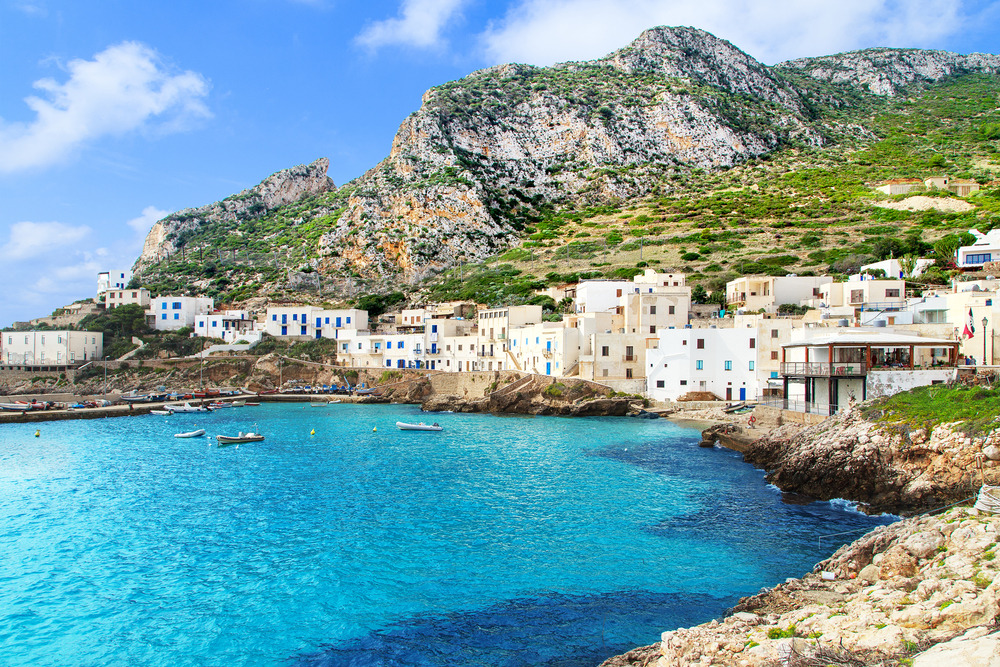
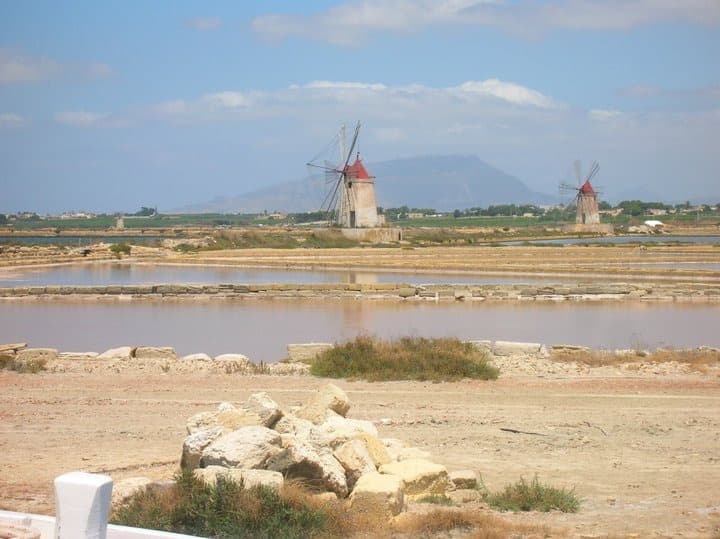
Off the Sicilian coast lies an absolute sanctuary within the Stagnone Nature Reserve. Tidal instability, high lagoon salinity, and abundant mudflats have fostered an extraordinary biodiversity. Dark-plumed ibis, winter teals, marsh hawks, and iridescent blue-winged kingfishers will compete for your camera's attention. Cycle across Isola Grande, recline lazily on fine sandy beaches, or deepen your knowledge of vineyard cultivation by visiting Mothia. Conclude this maritime journey by discovering the remarkable Phoenician ruins of Mozia island. One of the Stagnone islands alongside Mothia, Isola Grande, and Santa Maria, Mozia is an ancient Phoenician trading post brimming with archaeological treasures.
Those captivated by maritime vistas will embark on pleasure cruises toward the neighboring Aegadian Islands. Needless to say, binoculars become your most cherished travel companion on these crossings.
Religious Heritage
Once back on terra firma, explore the city's most remarkable sites.
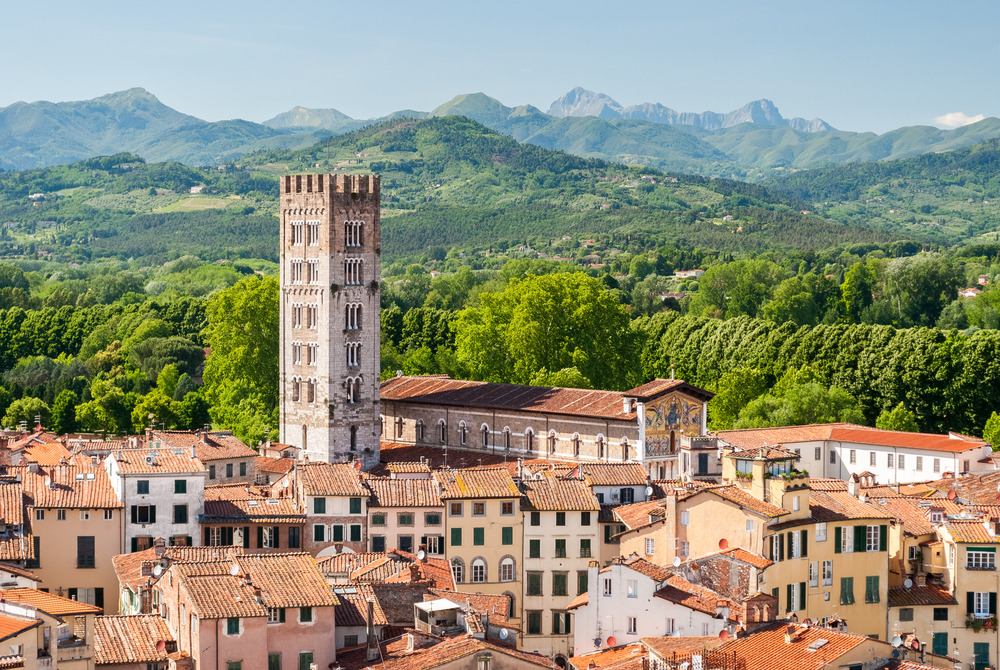
Marsala Cathedral: Erected in 1176 atop the ruins of a Norman structure, the city's mother church rises majestically over Piazza della Repubblica. It stands as a memorial to Saint Thomas of Canterbury, a British martyr assassinated by King Henry II on the night of December 29, 1170. The cathedral's baroque exuberance—expressed through statues and twin bell towers—contrasts with its Norman-style interior. Within, chapels, finely sculpted Madonnas, and sacred objects merit close attention.
Church of Santa Maria dell'Itria: Don't miss the Chiesa dell'Itria, gracefully suspended above a grotto where the faithful venerate a Byzantine icon of the Virgin Mary cradling Christ. While the façade retains its original character, the interior underwent complete renovation. Soldiers sought refuge here during the 1945 War, and their struggles against the cold left their mark—sacred furnishings fell victim to makeshift heating efforts.
Within the historic center's surroundings, other churches reward a visit: the Church of Adoration, whose polygonal structure and coffered ceiling surprise visitors, the Church of Saint John the Baptist, and the Church of Purgatory—an accomplished baroque masterpiece, among several worth noting.
Museums and Monuments
After the beach, venture into a different kind of exploration through the city's museums. Housed in a renovated historic baglio structure, the Baglio Anselmi Archaeological Museum impressively showcases Carthaginian civilization, particularly the wreck of a Punic ship discovered near the Stagnone lagoon. Terracotta objects, inscriptions in Phoenician script, and Roman insulae form the museum's principal attractions.
Beyond Baglio Anselmi, you'll find two educational-recreational museums that chronicle the city's past and trace the production process of local marsala wine, complete with comprehensive historical documentation from the wine's introduction in 1773 to the present day.
As you wander the flower-lined streets of Marsala, elegant palazzi featuring galleries and arcaded façades will catch your eye. These patrician residences belonged to noble families who governed the city's political affairs. Most impressive is undoubtedly the Palazzo VII Aprile, constructed in the 15th century under architect Giuseppe Moccia's direction. You'll find it to the left of the cathedral.
When to Visit?
Unlike business tourism, leisure travel demands attention to climate for ensuring a pleasant stay. Marsala enjoys the mildness of Mediterranean weather: summers are warm and agreeable, with temperatures ranging between 18 and 30°C, while winters prove remarkably gentle, with the thermometer rarely dropping below 8°C. For beach enjoyment, July through August offer the finest conditions. Conversely, if you're planning a cultural and historical tour, shoulder seasons provide more tranquil vacations. Spring and autumn showcase vibrant green vegetation following rainfall.
The city is accessible by air via Trapani Birgi Vincenzo Florio Airport, whose runway corridor passes through Marsala and Trapani. No direct flights operate from London or Paris to this destination. Foreign nationals must contend with one or two connections (Rome or Frankfurt). Trapani Birgi Airport lies just 21 minutes' drive from Marsala's city center.
To reach your hotel, hail a taxi for €30–40. On a tighter budget, public transport awaits: buses, trains, or ferry service from Trapani's port.
You'll Love…
- savoring authentic Sicilian cuisine
- bringing home local products, including the renowned marsala wines
- photographing the magnificent baroque façade of the Church of Purgatory
- taking a spiritual walk through Marsala Cathedral
- observing the clock tower of Palazzo VII Aprile, adjacent to the cathedral
- undertaking an unforgettable hike through the Stagnone Islands nature reserve
- enjoying outdoor activities: cycling, kitesurfing, pleasure cruising…
Want to discover this destination?
Our local advisors design your tailor-made trip.