Barbaresco
Barbaresco
At the heart of the Langhe, Barbaresco concentrates one of Italy's most prestigious terroirs. Medieval tower, DOCG wineries and UNESCO hillsides for an unforgettable wine escape.
Barbaresco is a small village in northwestern Italy, in the Piedmont region. It is renowned for the quality of its wines and the wealth of its vineyards.
Wine tourism is a thriving niche in the rural tourism market. If the science of wine captivates you, Barbaresco—set in southern Piedmont, between Neive and Alba—promises an immersive experience. The history of Piedmont and its vineyards stretches back to 500 BC, when the region served as a trading crossroads between the Etruscans and Ligurians.
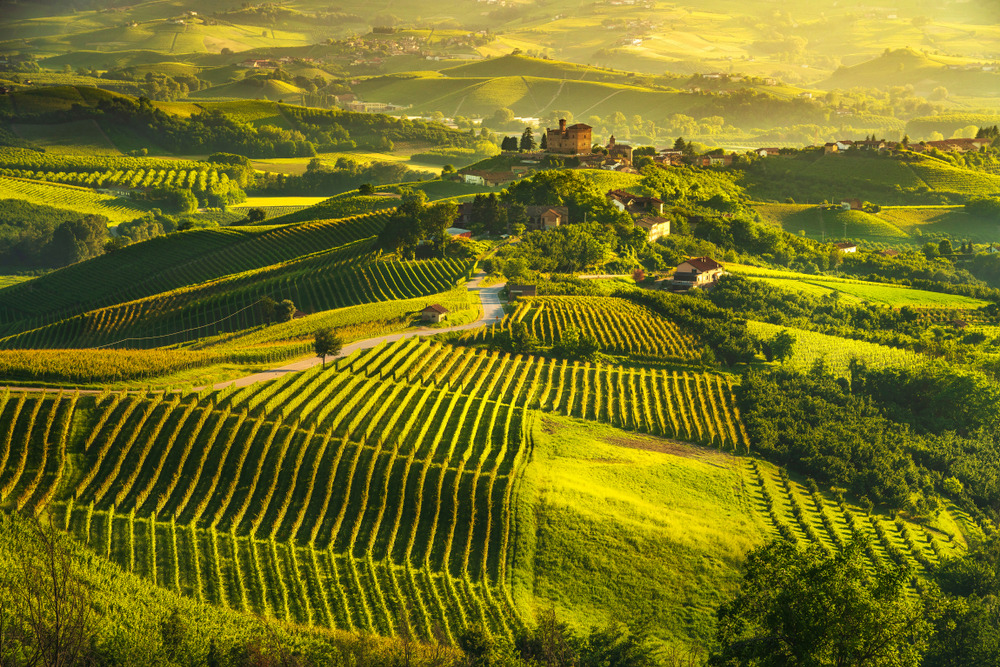
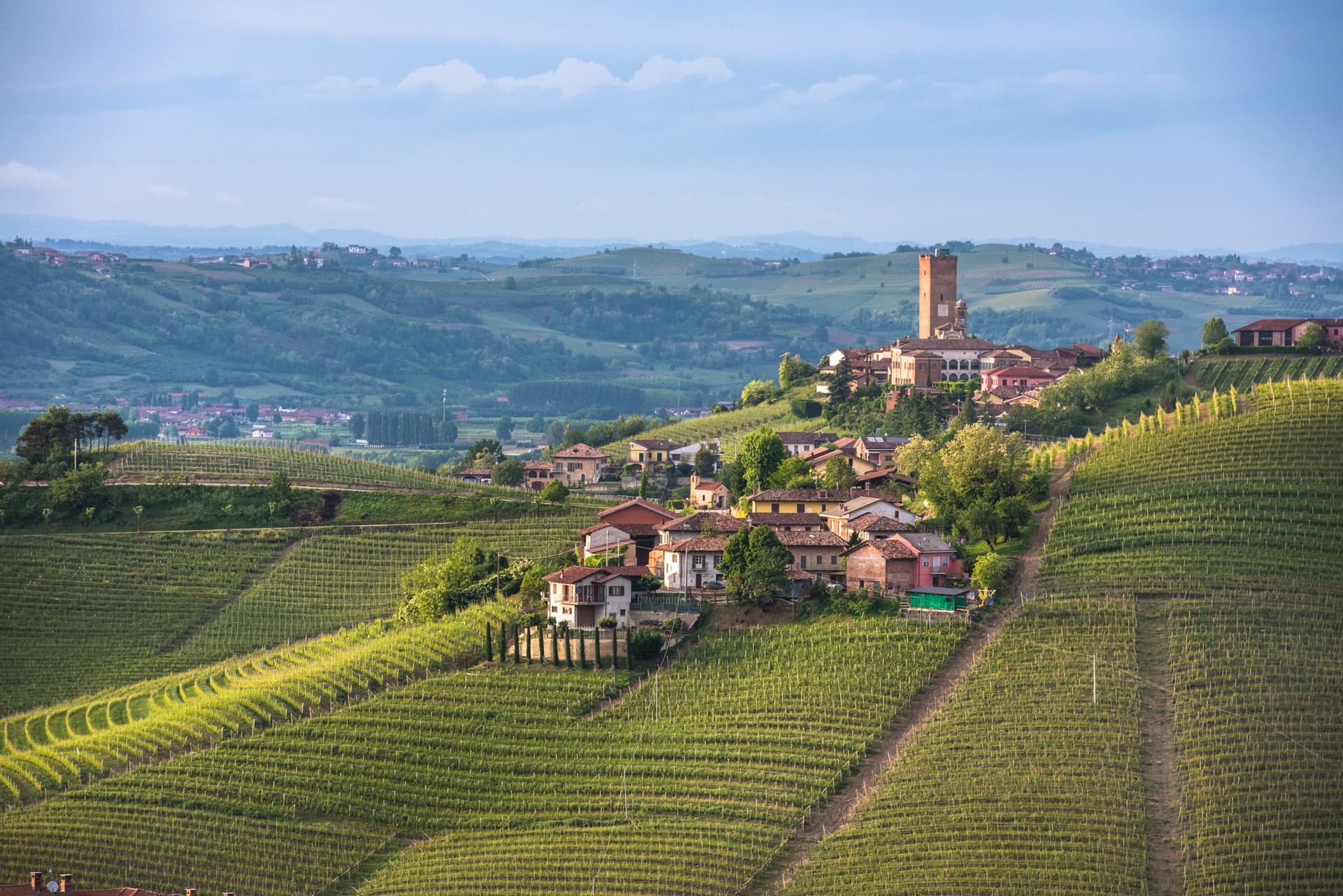
The village of Barbaresco offers stunning rolling landscapes scattered with farms, manor houses, and wine cellars. Before becoming an economic driver, wine is revered as a craft and cultural legacy. A forest walk, a tasting of the terroir's finest vintages, discovering winemaking techniques as if reading an open book, immersing yourself in the medieval history etched into the city's monuments—these are just some of the pleasures waiting during a stay in Barbaresco. Book your journey to Barbaresco, a charming village nestled in Piedmont's wine country.
History
The site was inhabited from prehistoric times by the Celts, fierce peoples who sheltered in dense forests near the Tanaro River. Early manuscripts referred to the location as "Barbarica Silva." Roman roof tiles unearthed in vineyard channels during the 20th century suggest that Barbaresco was a Roman settlement, likely established around the same period as Alba Pompeia. The Celtic peoples worshipped a deity called Martiningen, representing supreme power. During Roman occupation, they traded Martiningen for Mars, god of war. The rich grape-covered hillsides visible today have been cultivated since ancient times.
During the Middle Ages, Barbaresco was ruled successively by the Lombards and the Dukes of Burgundy, later annexed by the Duchy of Savoy. Over centuries, the region fell victim to endless feudal strife. Common folk bore the brunt, burdened by taxes, pillaged and displaced by soldiers, at the mercy of war's fortunes. Not until the late 18th century, when Piedmont embraced the winds of the French Revolution, did a decentralized governance system emerge through municipal councils. Barbaresco was officially established as a commune on December 31, 1798.
Today
The local economy remains deeply intertwined with wine. On one hand, rural depopulation continues as Barbaresco's people migrate to better-paying jobs in Turin or Novara's industrial centers. On the other, the village welcomes workers from Romania and Macedonia who labor as agricultural hands. Still, devoted vintners—some who have never left their native soil—remain, eager to share their passion for the vine with curious visitors.
Tourism has not disrupted but rather reinforced Barbaresco's wine-based economy. The Piedmont wine landscapes are celebrated as a remarkable example of rural space domestication and profound human-environment relationships, earning them UNESCO World Heritage status. The picturesque village of Barbaresco has carved out a comfortable niche in wine tourism, blending vineyard tours with culinary adventures.
Essential attractions
Wine tourism
Barbaresco produces exceptional red wine enjoyed and sold throughout Europe: Barbaresco wine. Its DOC status (Controlled Designation of Origin), granted in 1980, guarantees its prestige. The secret behind such success? Native grape varieties—nebbiolo, available in three distinct expressions—rigorous specialization that abandoned subsistence farming, and strict production standards. Yields average 40 to 52 hl per hectare. Wine aficionados will delight in its complex profile: fruity notes interwoven with fennel and cinnamon aromas, whispers of dried rose.
Typical experiences include winery visits, artisanal cellar tours, and tastings.
Religious heritage
The village harbors exceptional places of worship:
Church of San Giovanni Battista: Inaugurated in 1728, this church—adorned with a marble altar sculpted by Count Rangone di Montelupo—stands as a striking masterpiece of Baroque architecture. Frescoes and carved wooden sculptures grace its interior.
Church of San Donato: Built in 1836 from materials salvaged from a ruined church, San Donato is the town's premier attraction. It hosted religious services until the 1970s, when the municipality reimagined it as something new: a "cathedral of wine" or regional wine library. Visitors discover the terroir's history, wine exhibitions, and a tasting counter.
Historical heritage
Even devoted wine enthusiasts shouldn't miss Barbaresco's fine monuments. Like much of Piedmont, the village fell under feudal lords bent on conquest rather than protection. These landmarks speak most eloquently of the city's past:
- The Medieval Tower
Perched atop a hilltop, Barbaresco's imposing brick tower dominates the skyline. Historians date the structure to the 12th century, judging by its square form and thirty-meter height. Evidence suggests a formidable citadel once crowned the hill, lending the city prestige while offering strategic defense. The tower alone survives, a testament to Barbaresco's military past—control of which Alba and Asti disputed for years.
The Fortress: Positioned below the tower, the castle stands as another iconic symbol. In the 14th century, it fell under the Marquis of Montferrat, later passing to the Visconti family and finally to the House of Savoy in 1631.
The Sundial Clock: Traveling with children? They'll be enchanted by this massive sundial. A Latin inscription sits above: "da laborem da fructus"—"labor deserves its reward."
When to visit?
Barbaresco enjoys a humid subtropical climate, moderated by Mediterranean proximity. Summer heat prevails from May through August. July is the most sweltering month (30°C), while January records the coldest temperatures (5°C). Winter spans December to February with temperatures peaking at 8°C, occasionally blanketed in morning fog.
Most tourists visit Barbaresco between July and September. Still, pack rain gear—the area sees precipitation year-round, with heaviest falls during autumn and spring.
Transport infrastructure remains modest, making access straightforward yet deliberate. To reach Barbaresco, fly to Alba first, then reach the town center by bus or taxi. Alba sits 633 kilometers from Paris as the crow flies. Alba lacks a civil airport; planes land at either Cuneo Airport, Turin Caselle Airport (Sandro Pertini), or Milan Malpensa.
Barbaresco is also accessible on foot from Alba. In sturdy hiking boots, you'll traverse breathtaking wine landscapes in roughly ninety minutes.
You'll love...
visiting Barbaresco's artisanal wineries
photographing the vineyard sites
learning the complete secrets of winemaking, from harvest to maturation
attending a complimentary tasting session
touring the city's historical landmarks: the port, the medieval tower, the neighboring fortress...
admiring the stunning frescoes of the San Giovanni Battista Church
savoring the terroir's local specialties
experiencing the warmth of local hospitality
Want to discover this destination?
Our local advisors design your tailor-made trip.