Turin
Turin
A former royal capital nestled at the foot of the Alps, Turin blends baroque elegance, world-class museums, and authentic Piedmontese living. Your complete guide to exploring the city.
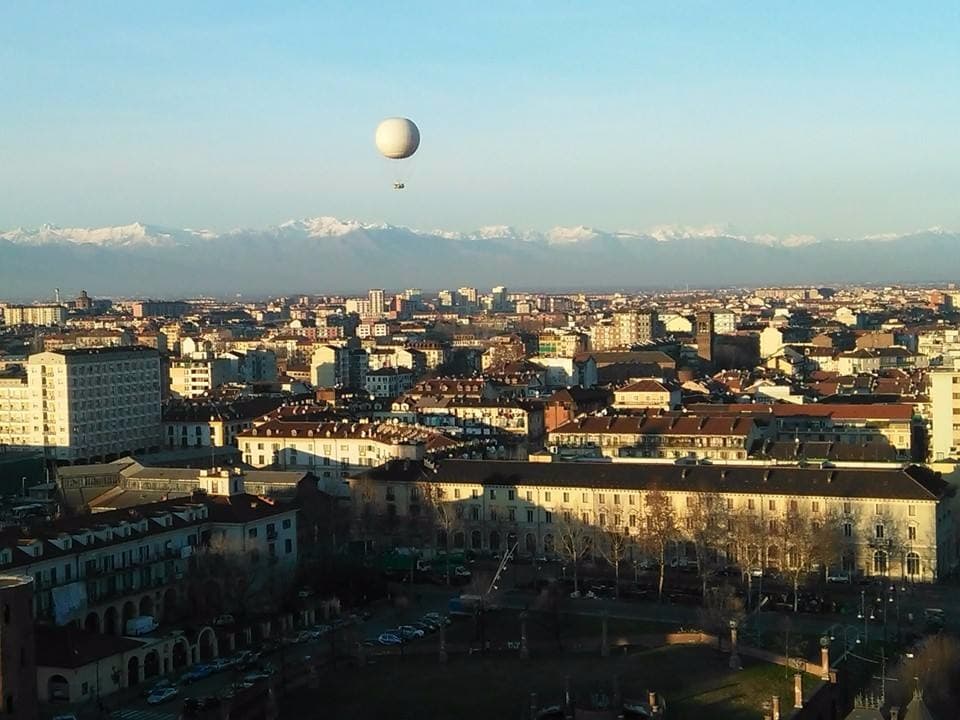
Capital of Piedmont, Turin ranks among Italy's largest metropolitan areas and stands out for its exceptional historical and cultural wealth. This city encompasses a network of authentic historic buildings absolutely worth discovering during your trip to Italy. Positioned on the western bank of the Po River, facing the Susa Valley, and surrounded by the Western Alpine arc and Superga Hill, the city welcomes you for a stay marked by discovery and cultural immersion.
History
Turin served as the capital of the Duchy of Savoy from 1563, and later became the capital of the Kingdom of Sardinia and finally the first capital of a unified Italy, between 1861 and 1865. Also known as the "cradle of Italian freedom," it was the birthplace and home of numerous remarkable figures, including Cavour.
In 1997, several of the city's complexes, including the residences of the Savoy Royal House, Rivoli, Moncalieri, Venaria Reale, Agliè, Racconigi, Stupinigi, Pollenzo and Govone, were declared UNESCO World Heritage Sites. Then in 2006, it hosted the Winter Olympics.
Today, with over 2.2 million inhabitants, Turin remains a major center of economic activity within the country and the European Union.
Exploring Turin
Turin proves to be a city rich with history that reserves plenty of surprises. Between its baroque churches, majestic palaces, world-renowned museums, parks, river, markets, and numerous restaurants and celebrated cafés, this fascinating city promises an excellent adventure filled with discovery.
A walking tour is the best way to uncover the charms of Turin. Indeed, the city and its various attractions offer an intoxicating escape. Begin your journey with a visit to the Mole Antonelliana; completed in 1888, this former synagogue features a tower standing 167.5 meters tall, making it the highest masonry structure in Europe. Today, it houses one of Europe's finest cinema museums.
Your next attraction is the National Cinema Museum. Opened to the public in July 2000, this five-story museum houses an impressive collection of cinema posters, video installations, and several small projection rooms dedicated to themes such as Turin's history, love stories, and experimental cinema. Continue onward to the Cathedral of Saint John the Baptist, built between 1491 and 1498. This structure houses the Turin Shroud, preserved in a vault beneath the Dome.
Beyond these picturesque sites, Turin boasts numerous attractions of note, including the Egyptian Museum, the Automobile Museum, Palazzo Madame, Palazzo Carignano, Galleria Subalpina, Valentino Park, Venaria Reale, River Po Park, Armeria Reale, and many more.
Situated along the Po River, Valentino Park is the largest central park in Turin. On its grounds and surroundings, the Valentino Castle and medieval village, also known as the "Borgo Medievale," await you.
After exploring the various attractions, treat yourself to a culinary break in the city's restaurants and cafés. Savor some local specialties, including Gianduiotto, truffles, and bicerin (a traditional local beverage). The latter is specially served during the "CioccolatÒ" festival, held annually in Turin. The festivities last two weeks and feature participation from major Piedmontese chocolate producers, including Caffarel, Streglio, and Venchi, as well as international companies like Lindt and Sprüngli.
Other festivals also take place throughout the year, such as music and theater festivals in summer and autumn, and the "Festa di San Giovanni," the feast of the city's patron saint, celebrated on June 24 with events throughout the day and a spectacular fireworks display at nightfall. During the two-week Christmas period, the city hosts a grand street market. For New Year's, Turin welcomes an open-air concert in the main square.
Climate
Located in a humid subtropical climate zone, Turin experiences cold but dry, mild winters from December to March with an average temperature of 16°C. From June to September, summer brings mild weather with an average temperature of 28°C, making this season the ideal time to visit Turin.
Just 15 km from the city, Sandro Pertini International Airport maintains excellent connections throughout Europe and to numerous Italian cities. From the airport, taxis and buses are available to take you to the city or your hotel.
By rail, the city has three main stations: Porta Nuova, Porta Susa, and Turin Lingotto. The latter is served by trains from all major cities in northern Italy, including Milan, Venice, Aosta, and Paris. Porta Nuova is served by trains from southern Italian cities, such as Genoa, Florence, Rome, and Bologna. Trains traveling to and from southern Turin depart from Porta Nuova via Lingotto.
By car, Turin is accessible via highways A4, A5, A6, A21, and A32. Buses and rental vehicles also provide shuttle services for the journey.
For getting around Turin, you'll have plenty of options: buses, taxis, trams, rental vehicles, and bicycles.
Want to discover this destination?
Our local advisors design your tailor-made trip.