Monforte d'Alba
Monforte d'Alba
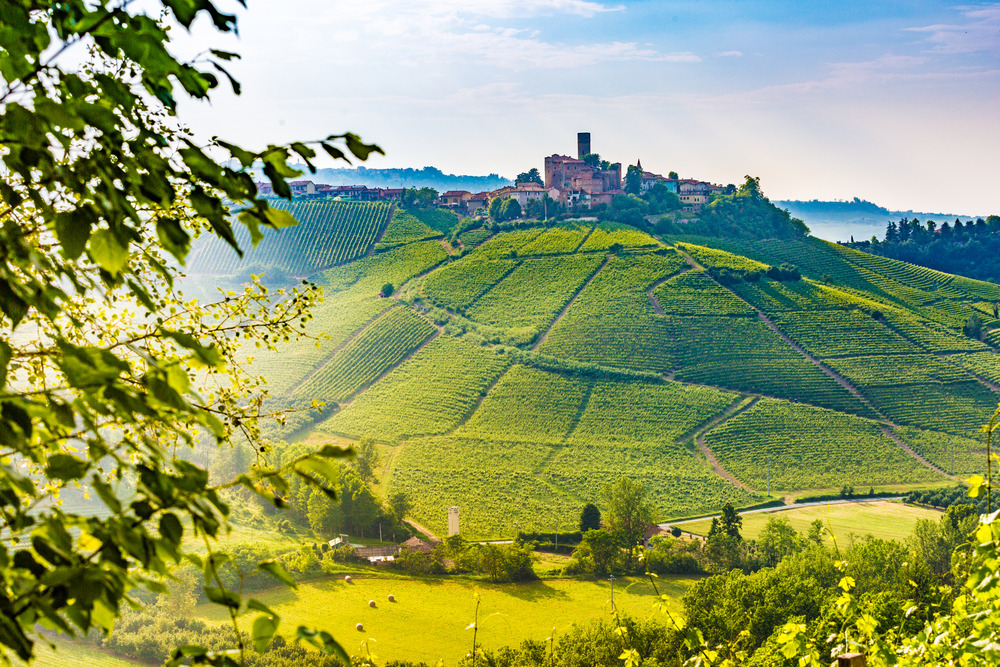
A medieval village perched on the hills of Langhe, Monforte d'Alba overlooks the Barolo vineyards, a UNESCO World Heritage site. Medieval tower, auditorium carved into rock, and wine cellars to explore just 15 km from Alba.
Monforte d'Alba is a medieval village perched on a hillside in the Langhe region of Piedmont, Italie. Surrounded by vineyards inscribed on UNESCO's World Heritage list, it commands a landscape of slopes that produce Barolo, one of the great red wines of Italie. The village preserves a compact historic center, a medieval tower, and an auditorium carved into rock, all just a few kilometers from Alba.
Practical Information at a Glance
- Access: car recommended from Alba (approximately 15 km to the southwest); winding hill roads.
- Suggested duration: 1 to 2 hours for the village; half a day if you combine wine tasting and vineyard walks.
- Admission: village open to all; the Horszowski auditorium may require a reservation depending on events.
- Attire: comfortable shoes—the lanes are paved and steep.
What to See
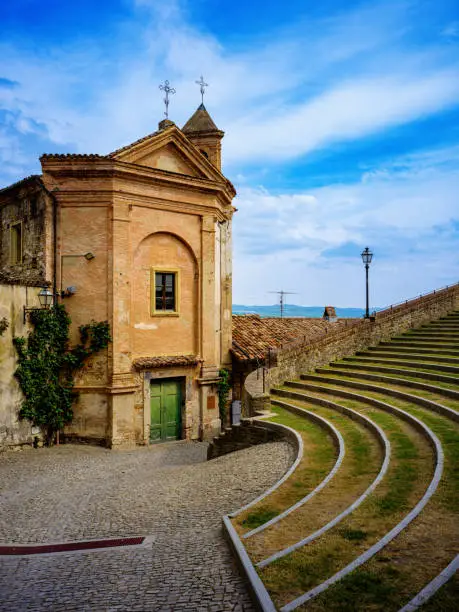
The historic center is walkable in minutes. The medieval tower dominates the village and offers sweeping views across the Langhe hills. The Horszowski auditorium, carved into rock, hosts classical and jazz concerts. Sloping lanes lead to wine cellars and restaurants where Barolo and Dolcetto d'Alba take center stage.
History and Context
Monforte d'Alba is mentioned as early as the Middle Ages. In the eleventh century, the village witnessed a significant episode: the bishop of Asti had a Cathar community burned there—one of the earliest acts of heresy suppression in northern Italie. This painful chapter is recalled in certain local texts. The village today belongs to the association of Borghi più belli d'Italia (Italy's Most Beautiful Villages).
Highlights of Your Visit
The Panorama from the Tower
From the village's summit, your gaze sweeps across rows of vines blanketing the hills to the horizon. In autumn, the changing colors of the vine leaves add a special visual dimension to the landscape.
The Horszowski Auditorium
Carved into limestone, this unusual performance space hosts the Collisioni festival each summer and other musical events. The room's natural acoustics make it a distinctive concert venue in the Langhe.
Wine Cellars and Tastings
Monforte d'Alba is one of the municipalities producing Barolo DOCG. Several producers offer tastings directly at their estates. It's a concrete gateway into the wine culture of the Langhe.
Photography Tips
Late-afternoon light is ideal for photographing the vineyards below from the village's viewpoint. In autumn (October–November), vineyard colors are particularly photogenic. The paved lanes of the center offer compelling architectural frames early in the morning, before crowds arrive.
Location and Access
Monforte d'Alba lies in the Langhe, approximately 15 km southwest of Alba. A car is the most practical means of transport; hill roads are narrow. The village has limited public transport connections from Alba. Parking is available on the periphery of the historic center.
Nearby
- Alba — capital of the Langhe, famous for its autumn white truffle fair.
- Barolo — neighboring village that lends its name to the wine, home to the WiMu museum dedicated to wine culture.
- La Morra — another wine-producing municipality in the Langhe, with a renowned viewpoint over the hills.
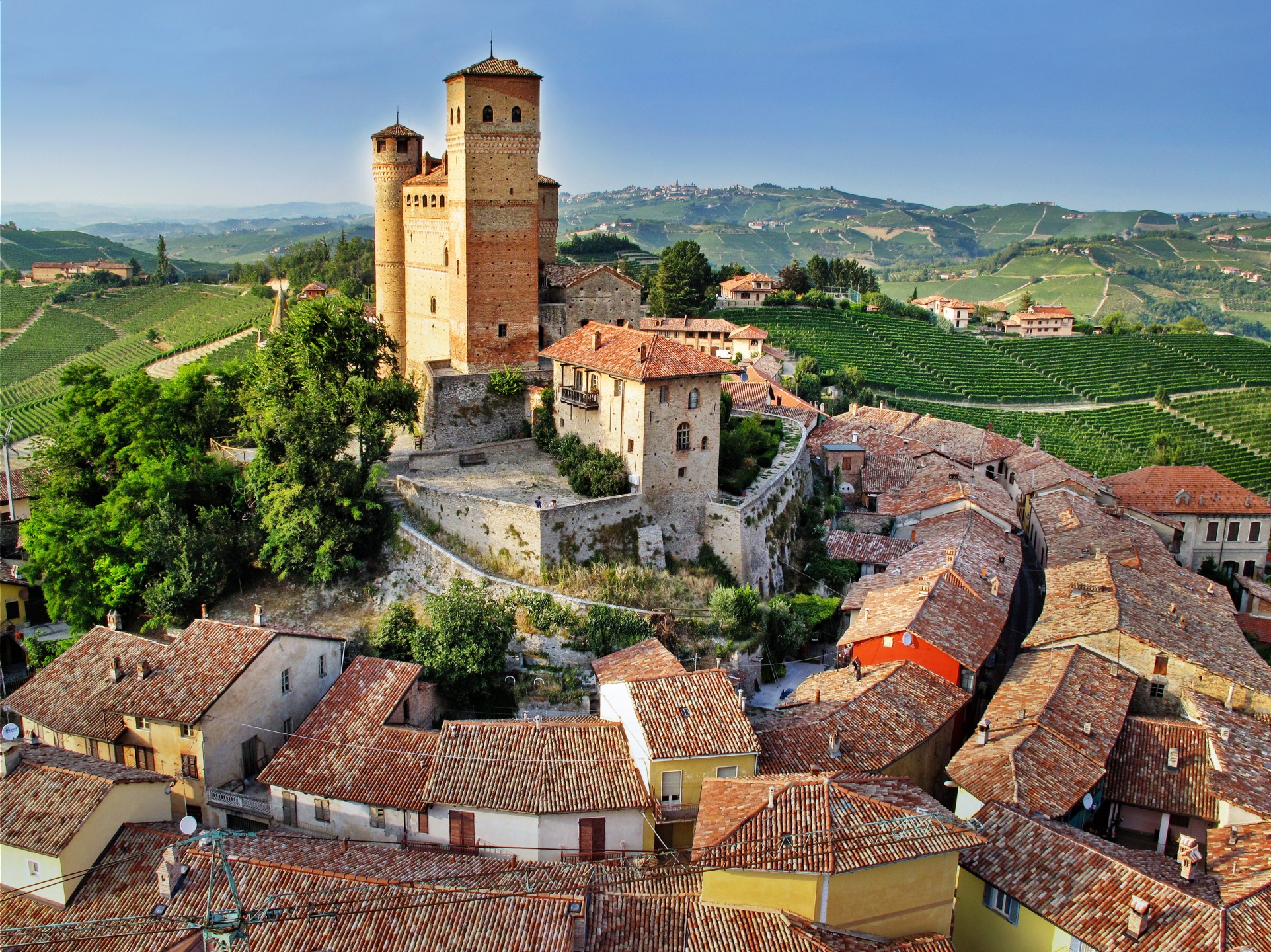
- Serralunga d'Alba — village dominated by a well-preserved medieval castle, in the heart of Barolo country.
Frequently asked questions
Autumn (September through November) is the most vibrant season: grape harvest, Alba's truffle fair, and vineyard colors. Spring is quieter and more pleasant for strolling.
It's challenging. Public transport from Alba is limited. A car remains the most practical way to reach the village and explore the surrounding wine estates.
Barolo and La Morra are less than 10 km away. A day's drive allows you to visit two or three villages and do a tasting at each.
Yes. Several cellars in Monforte d'Alba welcome visitors without reservation, particularly outside harvest season. It's advisable to contact estates in advance during peak season.
The village is open to all and photography is permitted. Inside the Horszowski auditorium during events, rules depend on the event organizer.
Interested in this visit?
We can include it in your personalised itinerary.