Venice and Veneto
From the lagoon to the UNESCO-listed Prosecco hills, Veneto connects Venice, Verona, Padua and Palladian villas across five to seven coherent nights.
Veneto stretches from the Adriatic lagoon to the foothills of the Dolomites, covering roughly 18,000 km². Our team works this region by distinguishing three scales: the Venice lagoon and its 118 islets, the plain between Padua, Vicenza and Verona, and the wine-growing hills rising toward Asolo and Valdobbiadene. This diversity explains why we rarely recommend limiting yourself to Venice alone.
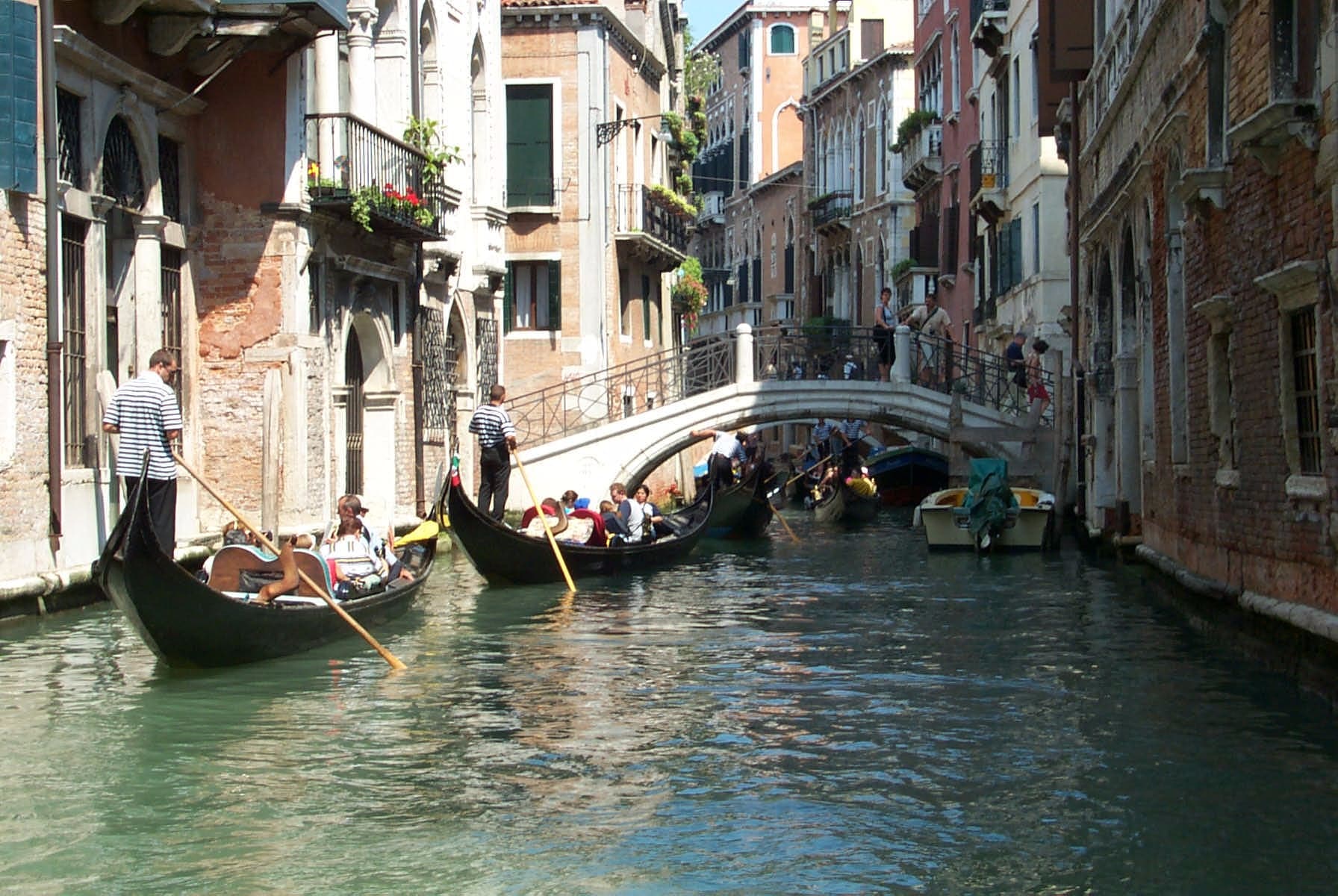
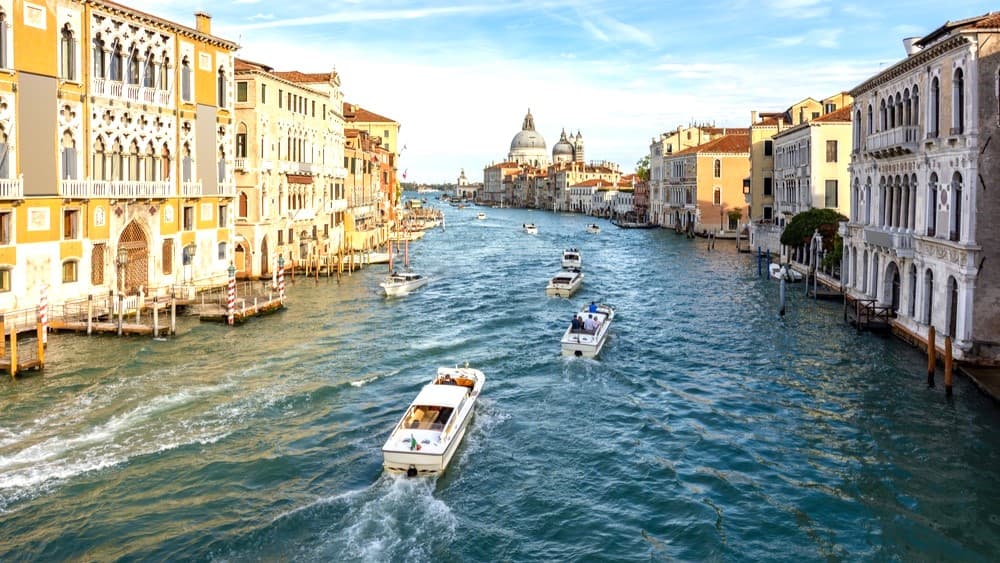
Venice remains a city built on oak and alder pilings driven into lagoon mud, organized into six sestieri. San Marco concentrates the flows, but Cannaregio to the north, with its Ghetto founded in 1516 and its fondamente along the Misericordia canal, preserves neighbourhood life. Dorsoduro houses Ca' Foscari university, the Gallerie dell'Accademia and the Punta della Dogana. Castello to the east empties its alleyways once you move away from the Riva degli Schiavoni. On the lagoon, Burano still lives from fishing and lace-making, Torcello counts around thirty residents around its 7th-century basilica, and Sant'Erasmo supplies violet artichokes to the Rialto markets.
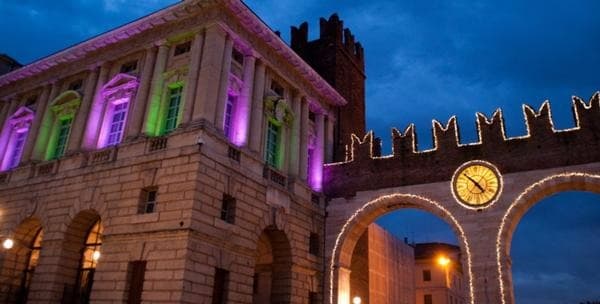
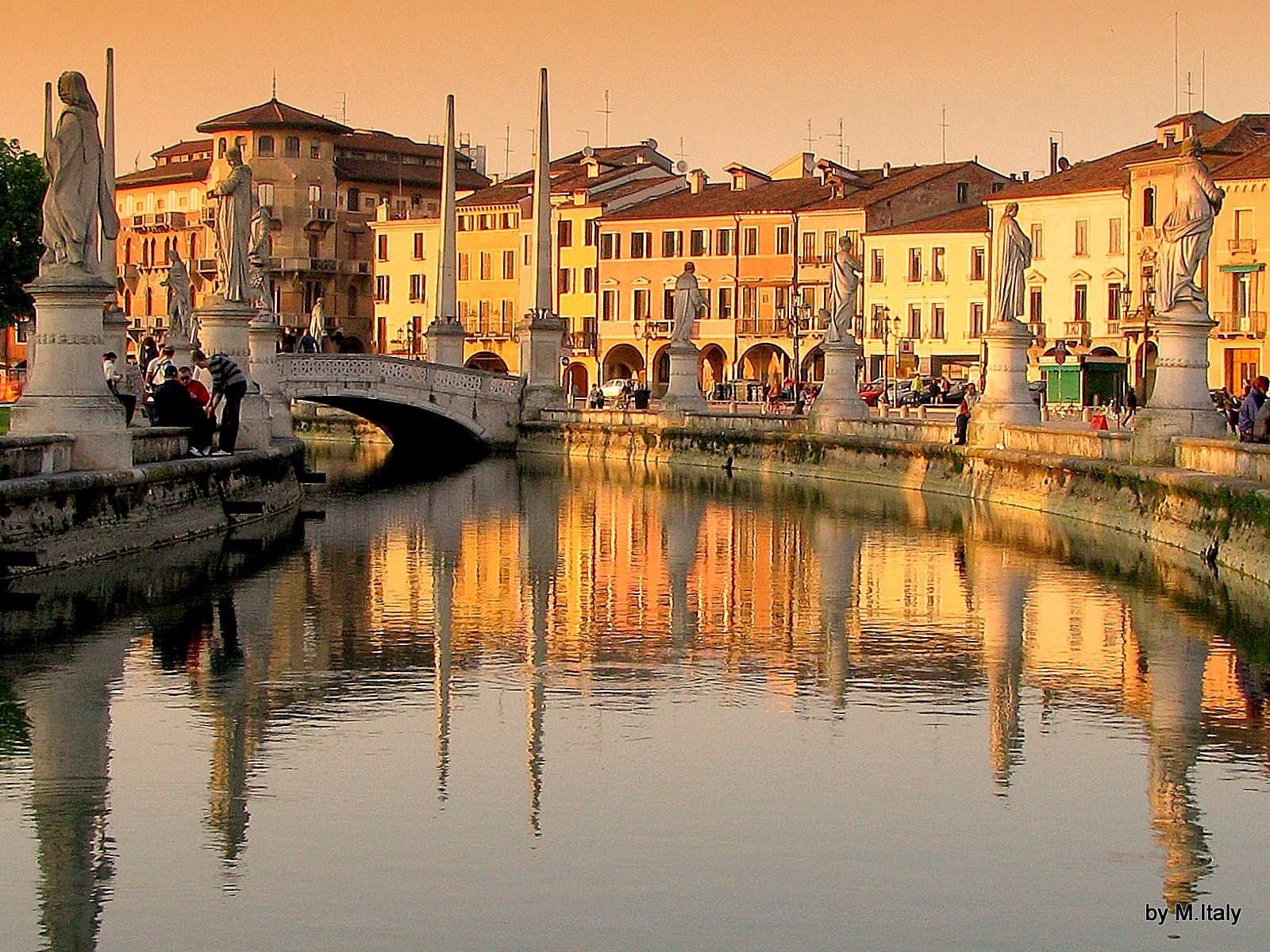
An hour by train away, Padua deserves a stop for the Scrovegni Chapel and its Giotto frescoes (1305), accessible only by reservation in 15-minute slots. Vicenza bears the signature of Andrea Palladio: the Basilica Palladiana, the Teatro Olimpico, and around it, villas of the Veronese countryside and the Brenta, including the Villa Rotonda and Villa Pisani in Stra. Verona, on the Adige, preserves its 1st-century Roman arenas, still used for the opera season from late June to early September.
North of Treviso, the Prosecco hills between Conegliano and Valdobbiadene have been UNESCO-listed since 2019 for their ciglioni landscape—these grassy terraces following the contours of the slopes. This is where Prosecco Superiore DOCG is produced, and we regularly send travellers here for two nights in an agriturismo to understand the difference between a Cartizze and a Rive. Further west, Lake Garda marks the border with Lombardy: Sirmione, Bardolino and Malcesine remain part of Veneto.
On the dining front, Venetian cuisine stands distinctly apart from the standard Italian image. In Venice, cicchetti are enjoyed standing at a bacaro in late morning or before dinner: sarde in saor (marinated sardines with onions), baccalà mantecato, moeche (soft-shell crabs of spring and autumn). Risotto al nero di seppia, bigoli in salsa and fegato alla veneziana make up the common repertoire. In Verona and the countryside, you move to risotto all'Amarone and pastissada de caval. Wines follow suit: Soave, Valpolicella, Amarone, and Recioto for dessert.
Economically, Veneto is one of Italy's most productive regions, with a fabric of SMEs in textiles (Treviso), eyewear (Belluno), footwear (Riviera del Brenta) and glass (Murano). This context explains the quality of rural accommodation and the density of the rail network, two logistical assets for a tailor-made trip.
To discover
Cannaregio at cicchetti hour. A tour of bacari along the Strada Nova and Fondamenta degli Ormesini in late afternoon, with a glass of Soave and three or four cicchetti per bar, as locals do.
Scrovegni Chapel in Padua. Fifteen minutes facing Giotto's frescoes dated 1303-1305, after five minutes in a climate-controlled airlock to preserve the pigments. Booking required several weeks in advance.
Palladian villas of the Brenta. A journey by burchiello or car between Stra and Mira, visiting Villa Pisani and its labyrinth gardens, following the model of 18th-century patrician estates.
Prosecco hills. Two days between Conegliano and Valdobbiadene, touring the Strada del Prosecco by car, with tastings at small Cartizze producers on the steepest slopes.
Burano and Torcello out of season. Morning vaporetto from the Fondamente Nove, Burano fish market, lunch of risotto di gò then a walk to Torcello and its Byzantine mosaic basilica.
When to go
We avoid July and August for two reasons: lagoon humidity pushes the felt temperature above 35°C in Venice, and tourist flows saturate San Marco, Rialto and Burano by 10am. The months we recommend are April-May (15 to 22°C, low light on the lagoon, wisteria in bloom on the fondamente) and October-early November (14 to 20°C, grape harvest underway in Valpolicella, morning mist over the lagoon). September remains pleasant but still busy.
Winter has its coherence: Venice from late November to February experiences temperatures of 3 to 9°C, sometimes acqua alta episodes (walkways installed on main routes), and carnival in early February. The Prosecco hills and Verona may see snow. Conversely, Lake Garda to the south benefits from a milder microclimate, with olives cultivated as far as Bardolino.
Practical advice
For a first trip, we propose five to seven nights: three in Venice to cover the sestieri and at least one island, then two to three nights in the Veronese countryside or the Prosecco hills. Marco Polo airport serves Venice in 20 minutes by water-bus to San Marco, and Verona Villafranca is an alternative gateway for those combining with Lake Garda. The Frecciarossa rail network connects Venice to Padua (25 min), Vicenza (45 min) and Verona (1h10), allowing you to base yourself in the lagoon and explore without a car. For wine hills and villas, we arrange a driver or car rental from Treviso.
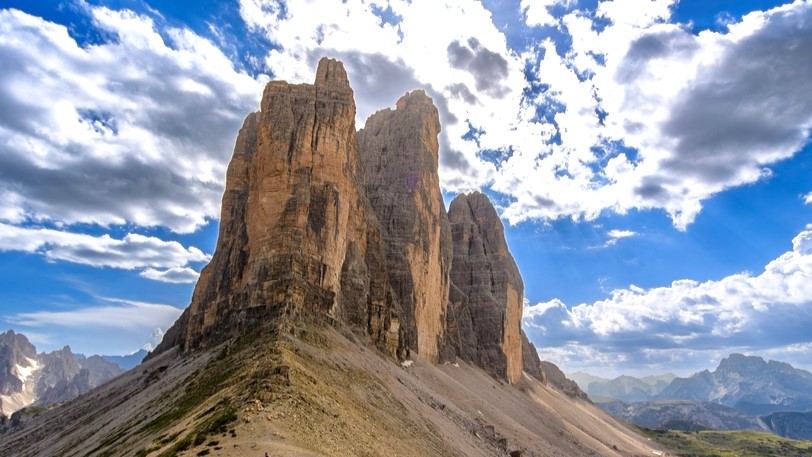
Veneto naturally combines with the Dolomites and lakes to the north (2 hours' drive to Cortina or Lake Garda), and with Tuscany and Umbria to the south by train (Venice-Florence in 2h05). Hotel comfort levels are high, from historic palazzi in Cannaregio to agriturismi in Valdobbiadene. The region suits contemplatives, art and architecture lovers, wine enthusiasts and couples; families with young children may prefer focusing on lagoon islands and Lake Garda rather than long museum days.